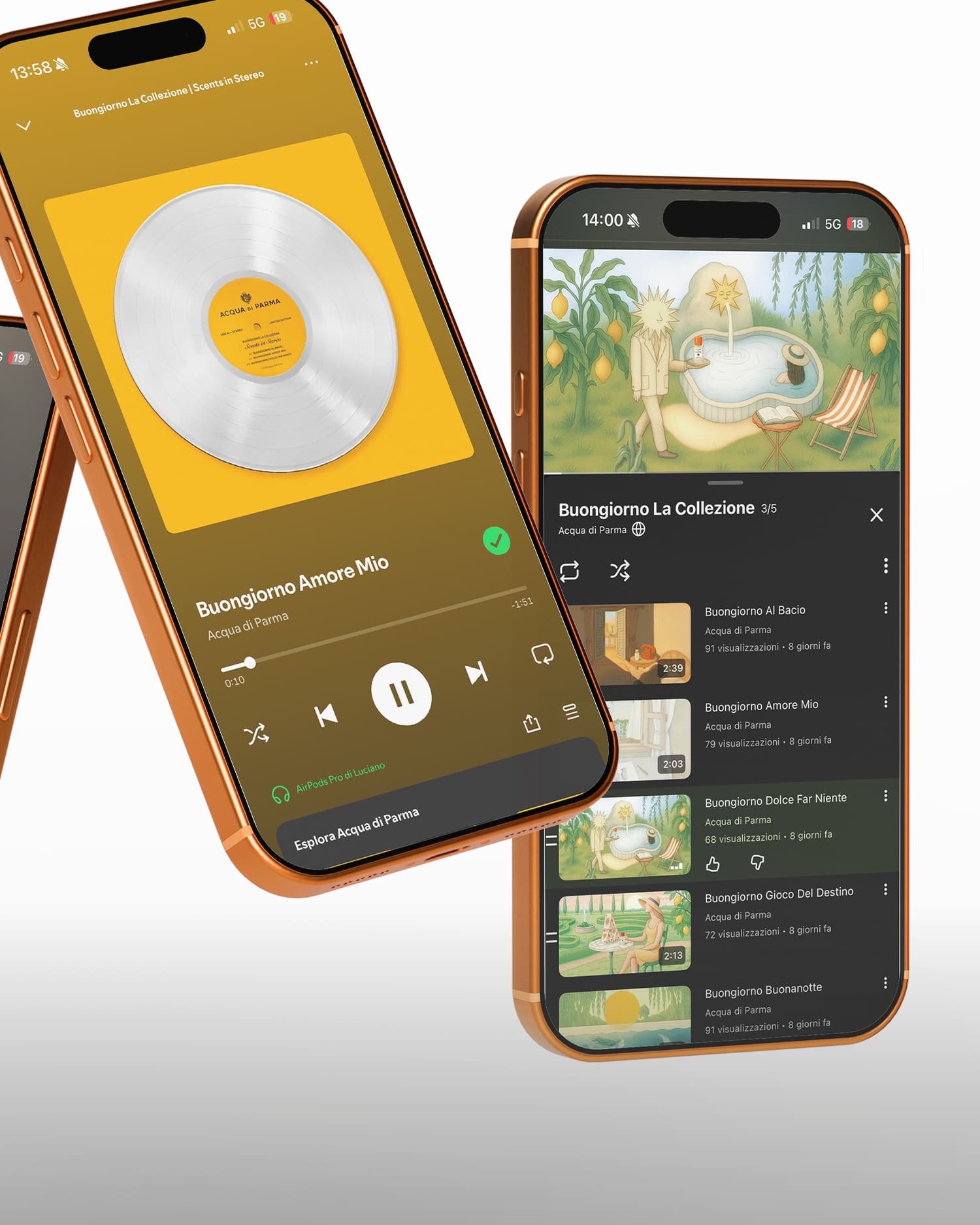
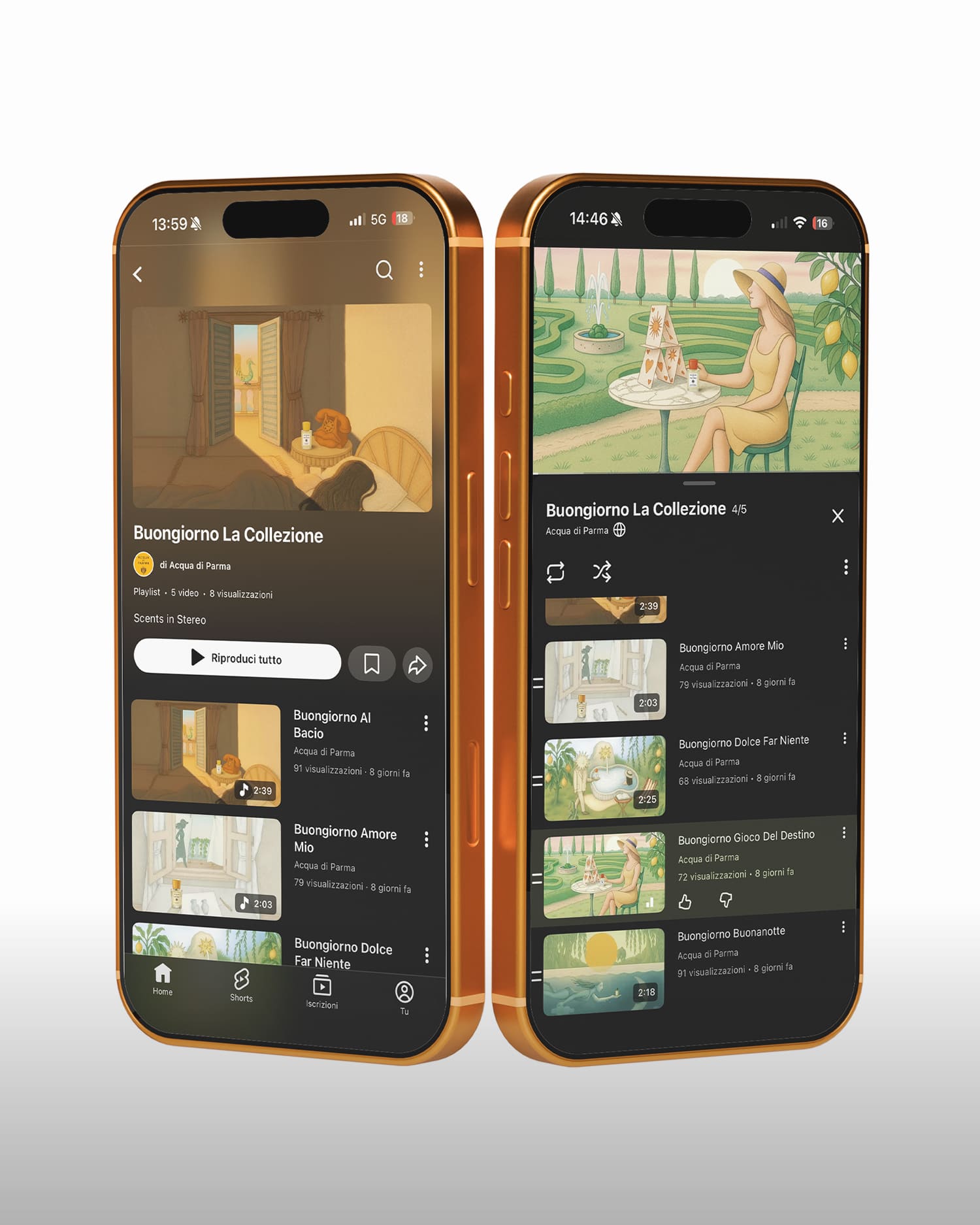
The project is rooted in a clear insight: as experiences become increasingly digital and immaterial, there is a growing desire to return to tangible objects—ones that restore a sense of value, longevity and ritual.
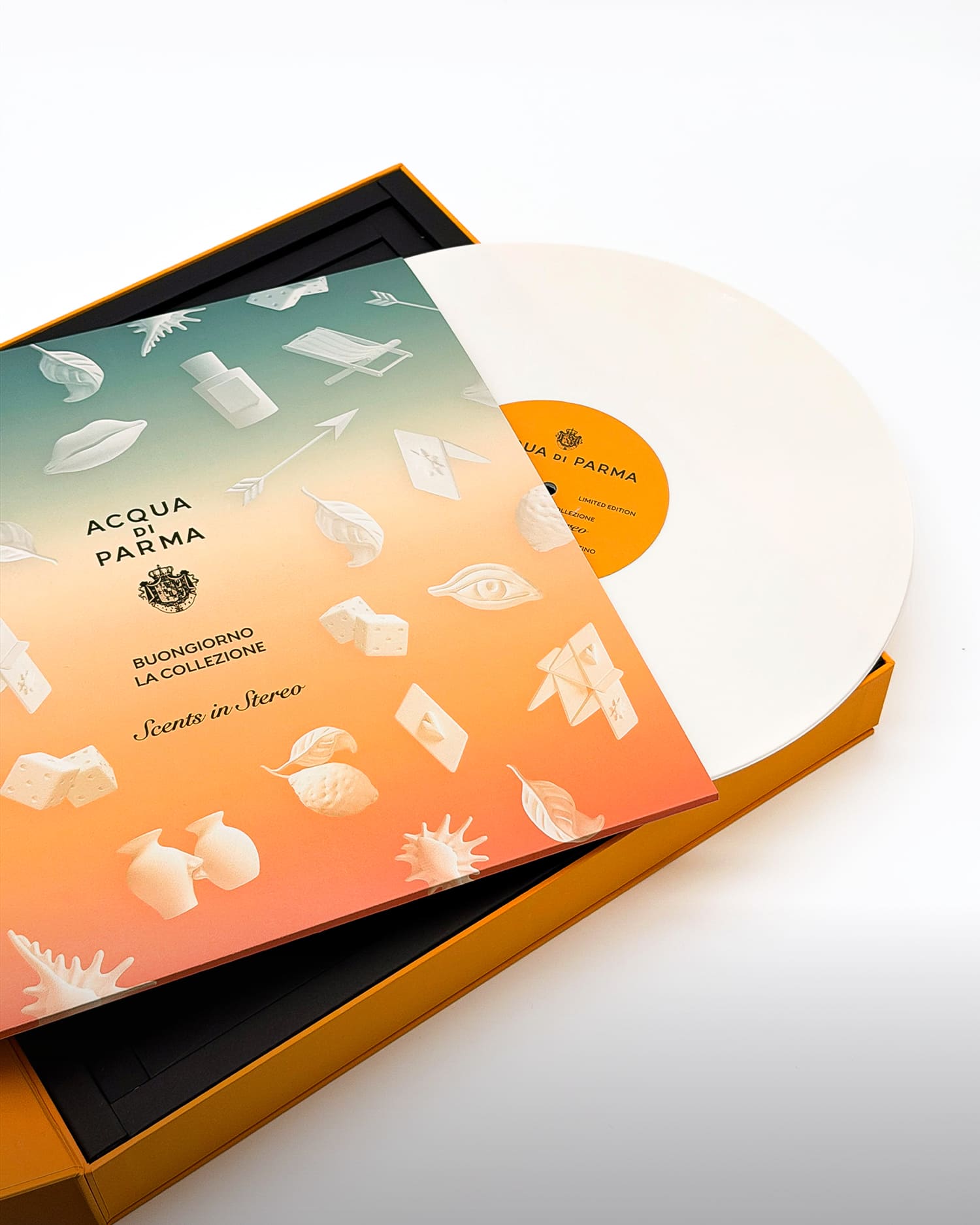
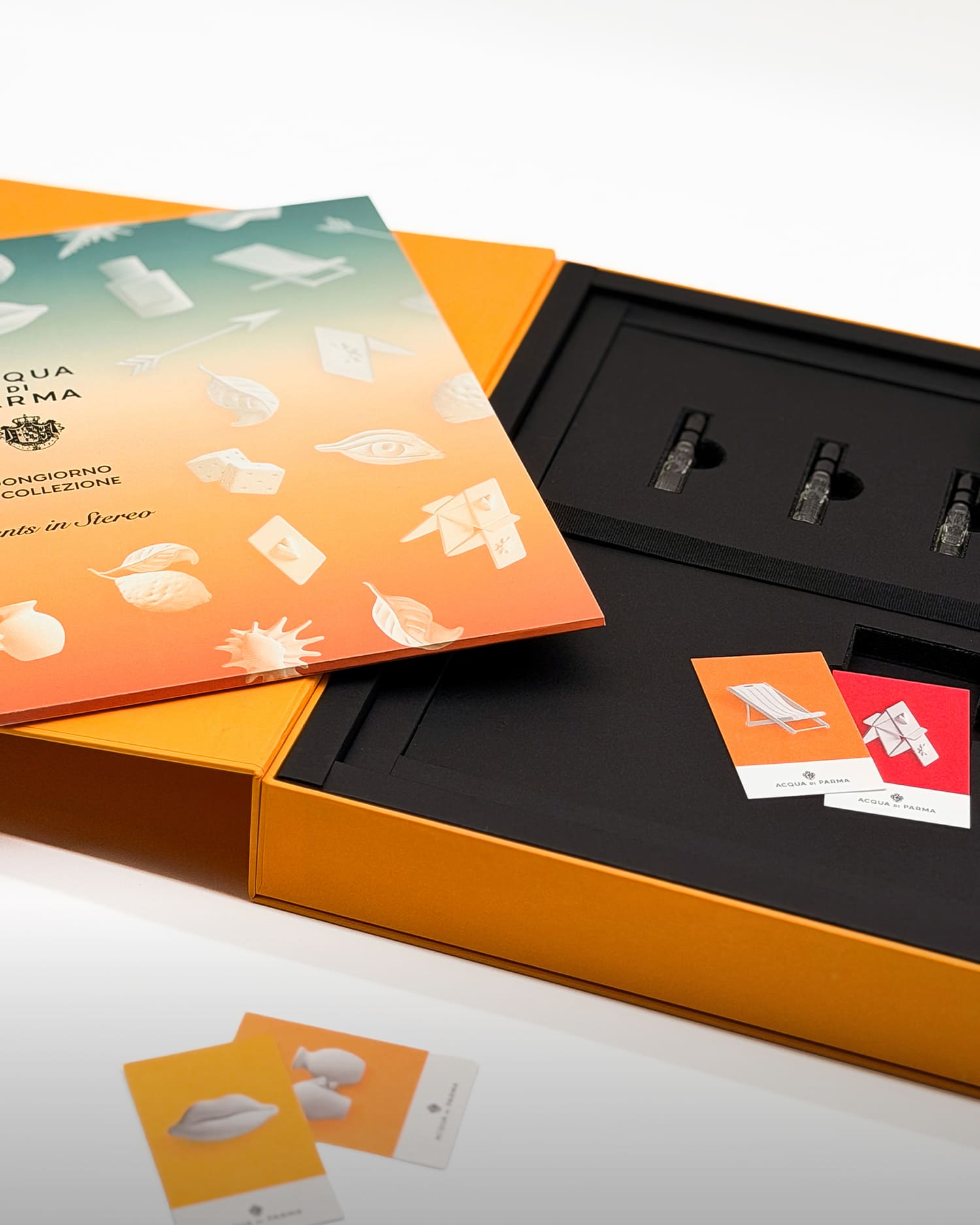
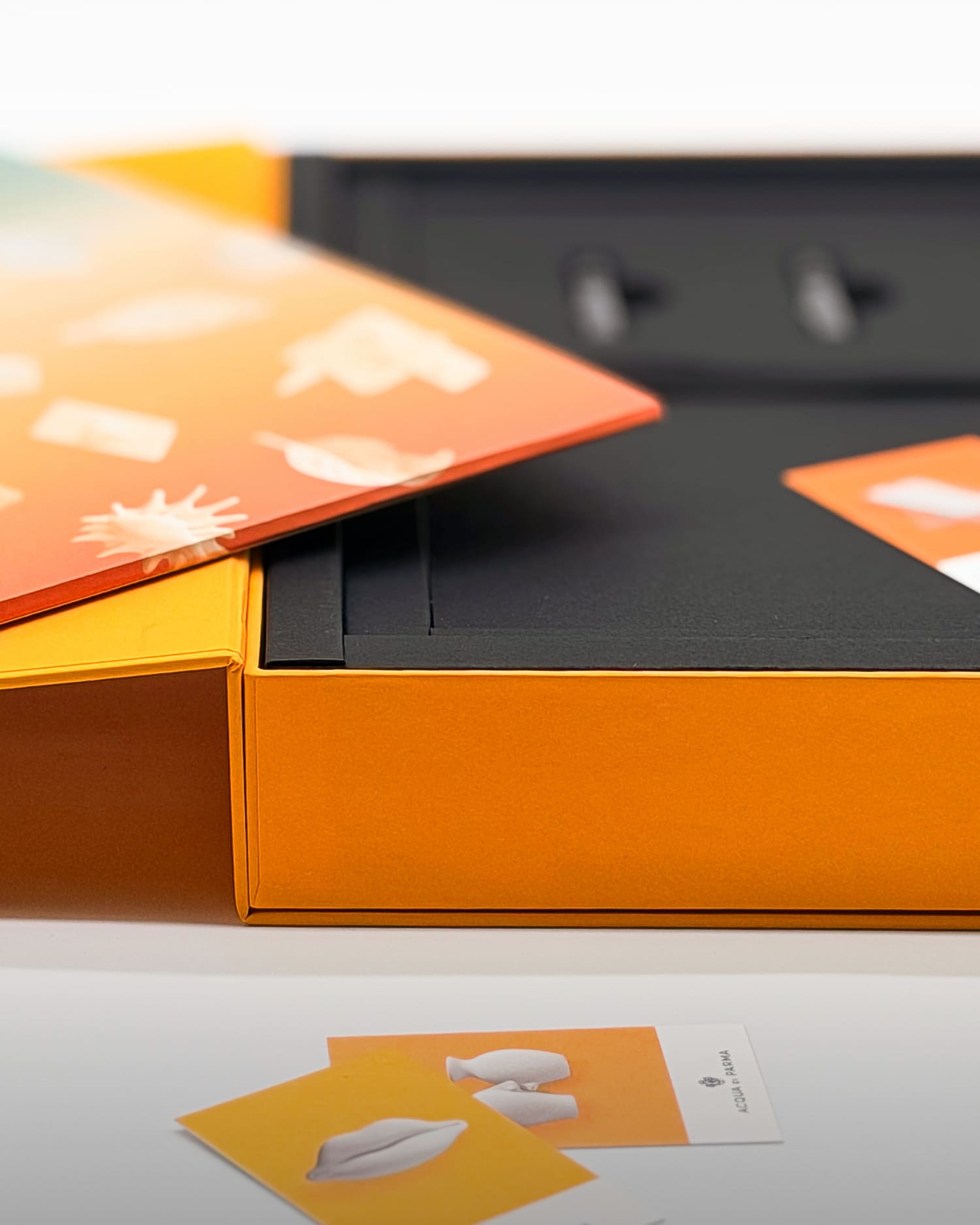
Developed in collaboration with handfactory, the project takes form as a Stereo Kit, translating the relationship between fragrance and sound into a cohesive system. Five original compositions, one for each scent, interpret olfactory notes through rhythm, structure and atmosphere.
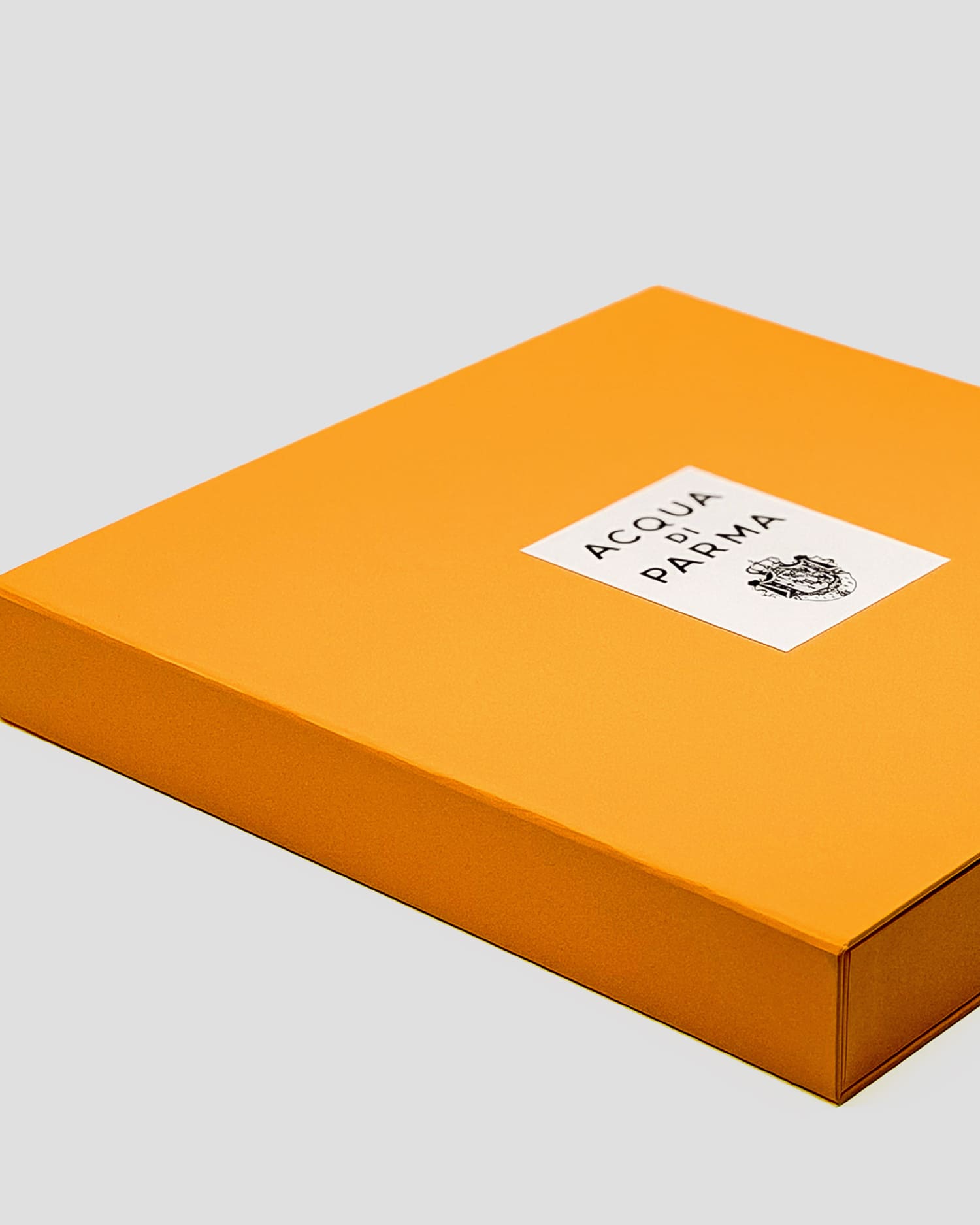
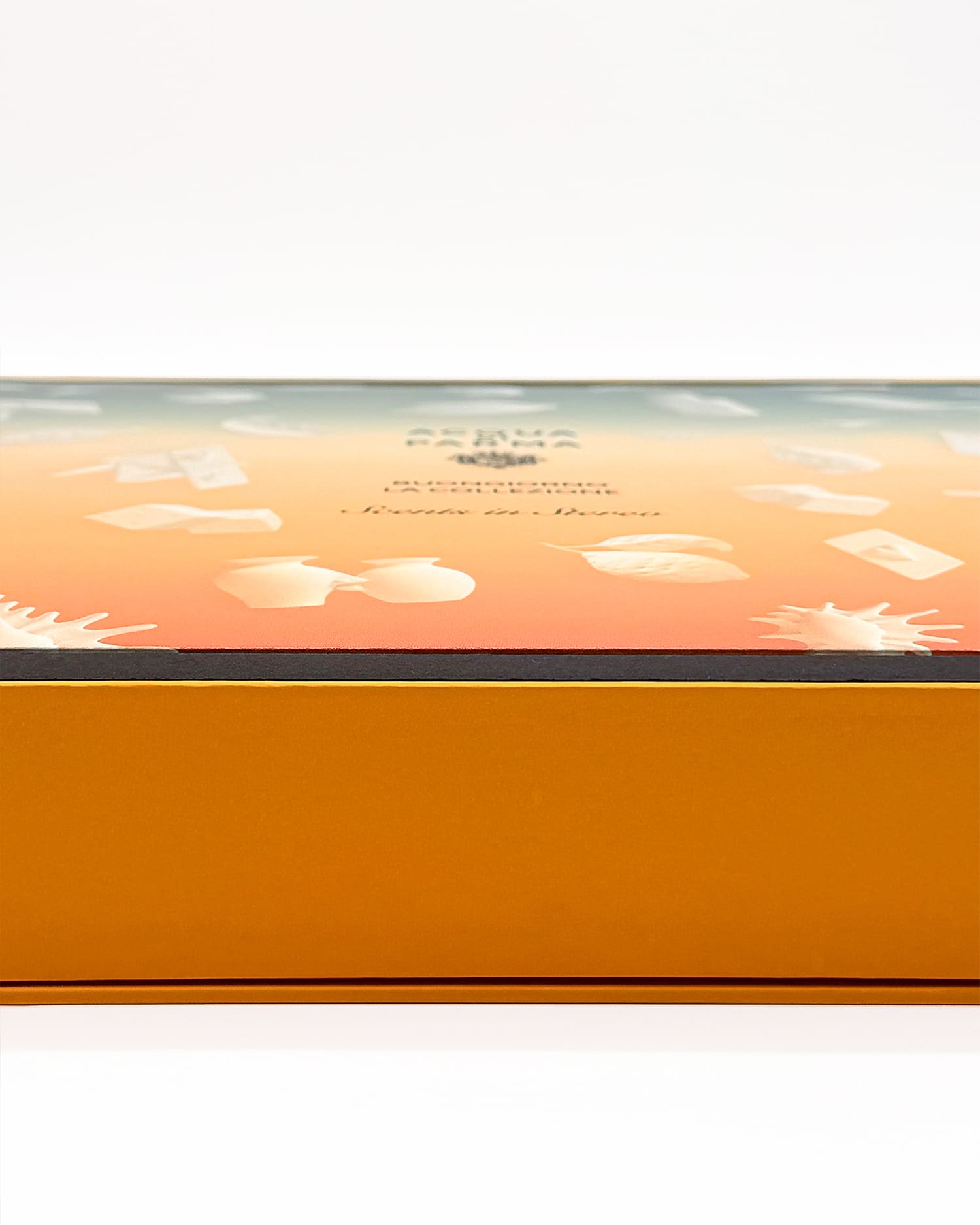
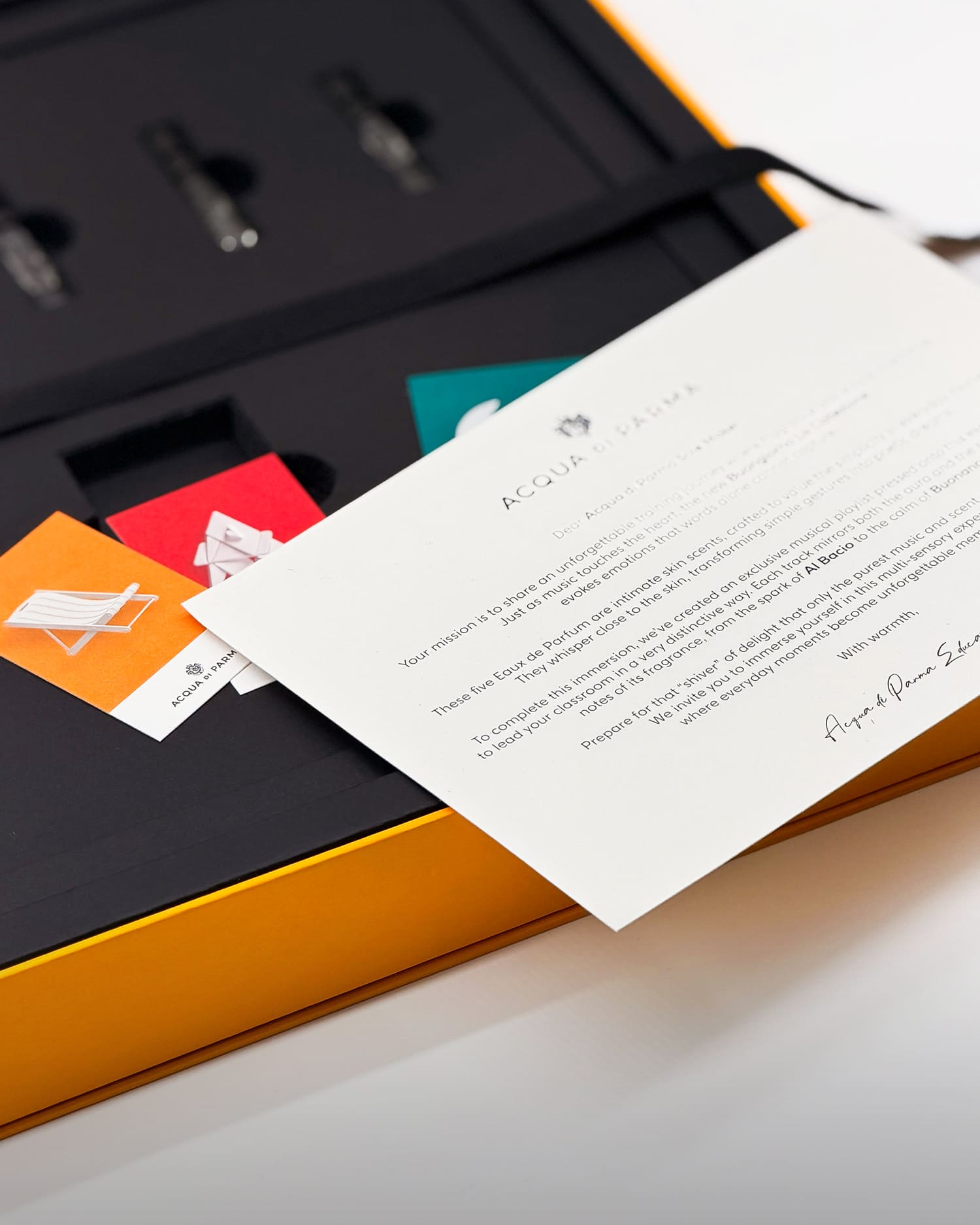
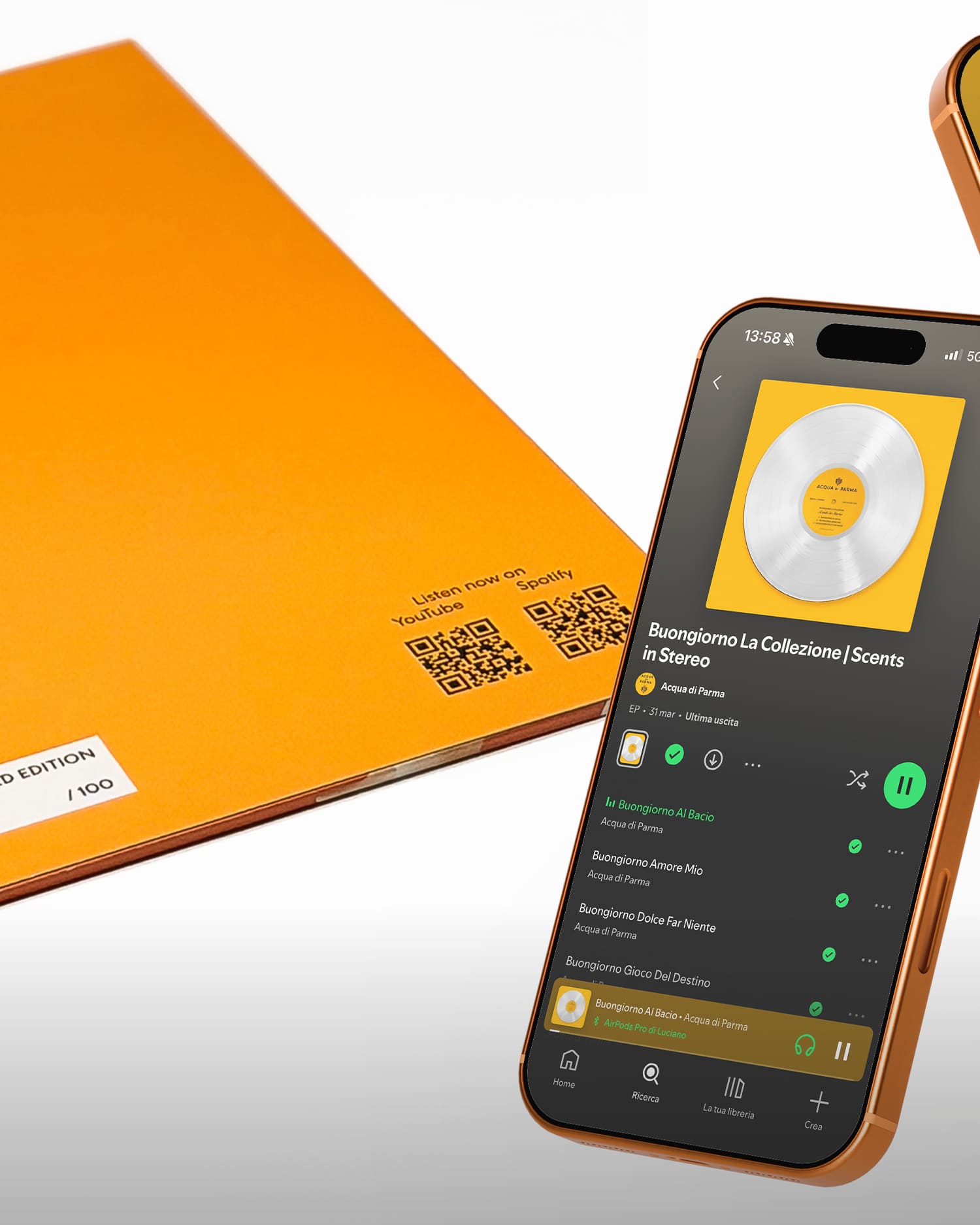
At its core is a white 33 rpm vinyl, accompanied by five samples and a set of custom testing cards, designed to guide a synaesthetic journey between listening and scent. An A5 insert introduces the project through an editorial text, while a QR code on the reverse of the vinyl provides access to the Spotify playlist.
Studio Yarn and handfactory led the project end-to-end, from concept through to execution. This included defining the sound–scent narrative, shaping the creative direction and visual language, designing the Stereo Kit and its user experience, overseeing the production of the white 33 rpm vinyl, and developing the packaging and printed materials. In parallel, the team coordinated closely with the composer to ensure full alignment between the sonic identity and the overall project.
Outcome: a project that translates fragrance into a temporal, multisensory experience. Scents in Stereo restores depth to the act of wearing perfume through a physical object designed to be listened to, experienced and kept.
Partner: handfactory | Creative Direction: Luciano Barletta | Music: Henford
Development: Sara Pierdonà | Ph: Beatrice Penati

Casa Bonavita is a boutique hotel in the Southern Mediterranean. Hidden within one of Malta’s most romantic quarters, it is an 18th-century architectural jewel, restored with rigorous attention to detail and a deep sensitivity to the Mediterranean art of living. A space designed to be experienced slowly, inviting guests to pause and look a little closer.
Studio Yarn was commissioned to lead the art direction of all collateral materials, developing a visual system that extends this attitude across every touchpoint.
The art direction translates into a flexible system, designed to adapt across formats while maintaining consistency and precision. Menus, signage, printed materials and communication tools follow a shared logic, conceived to accompany the guest experience without interrupting it.
Outcome. A consistent system of materials that strengthens Casa Bonavita’s identity across all touchpoints.
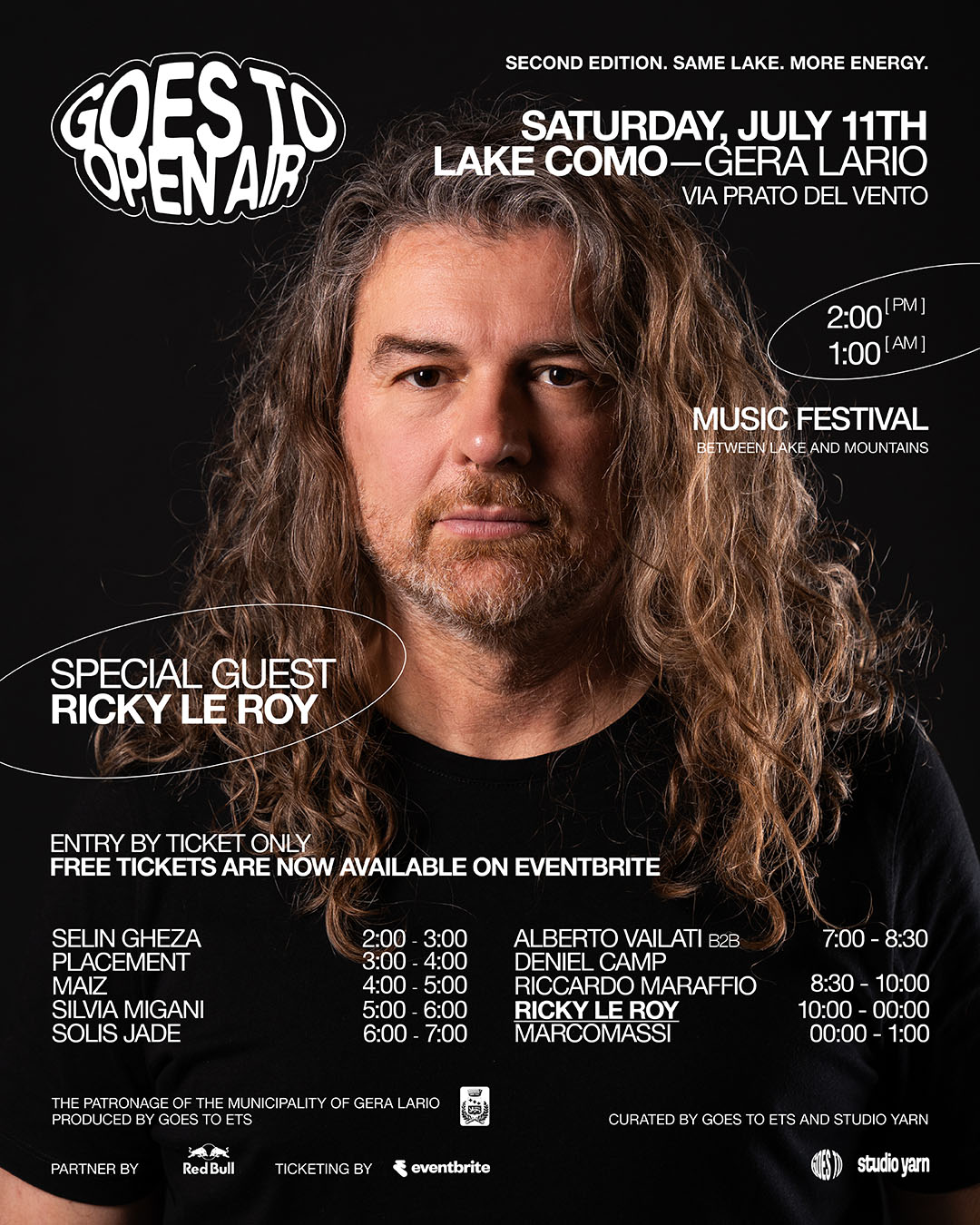
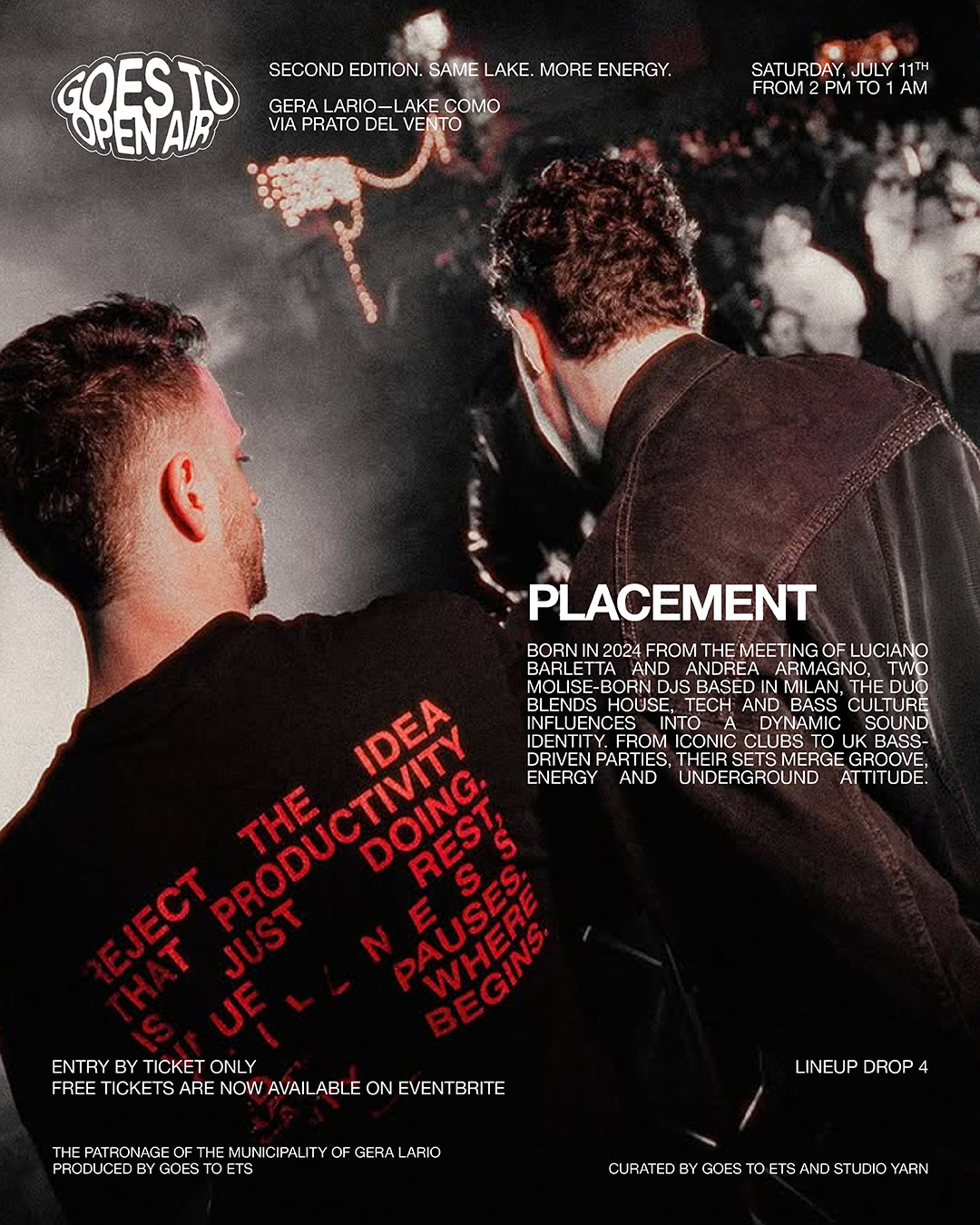
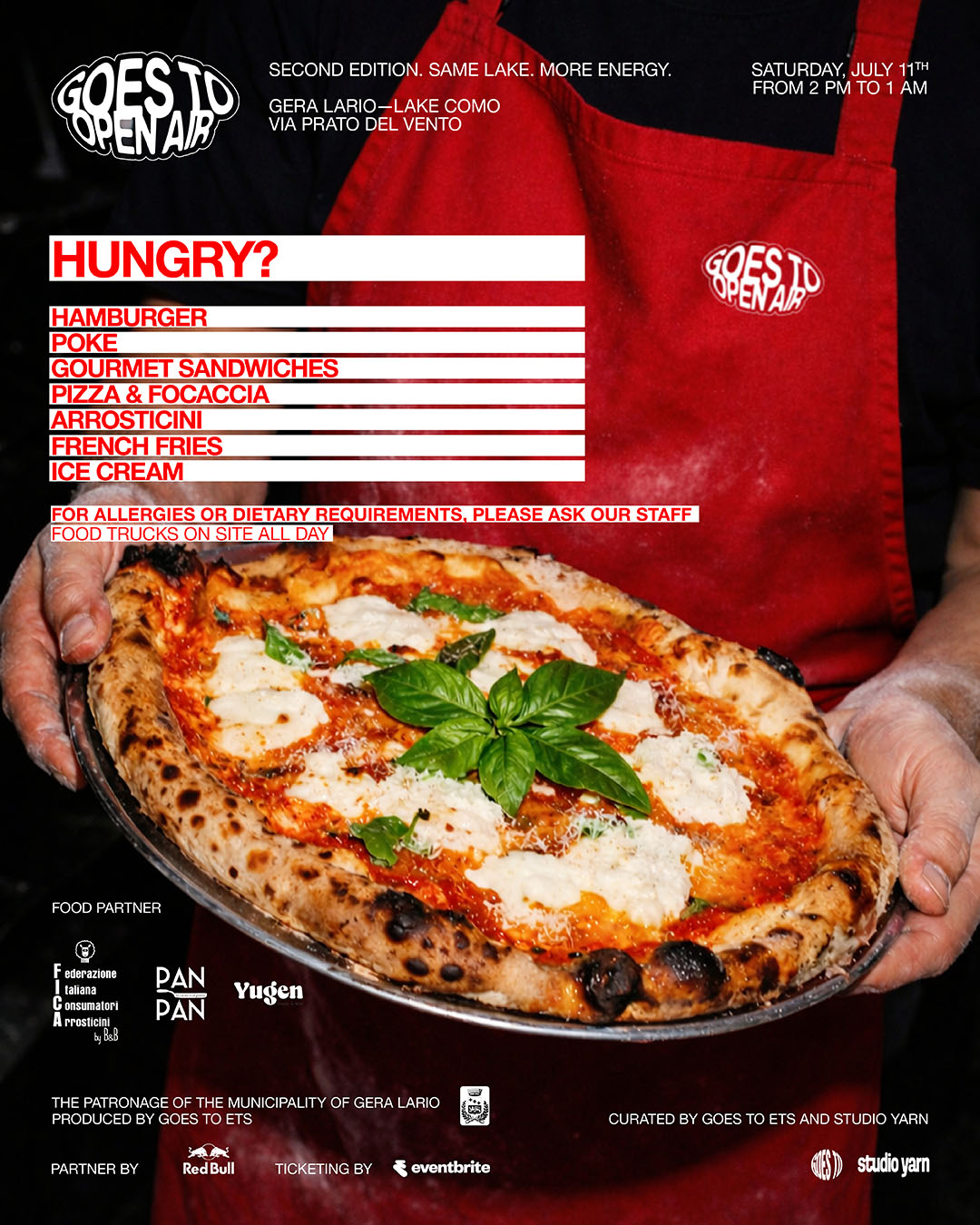
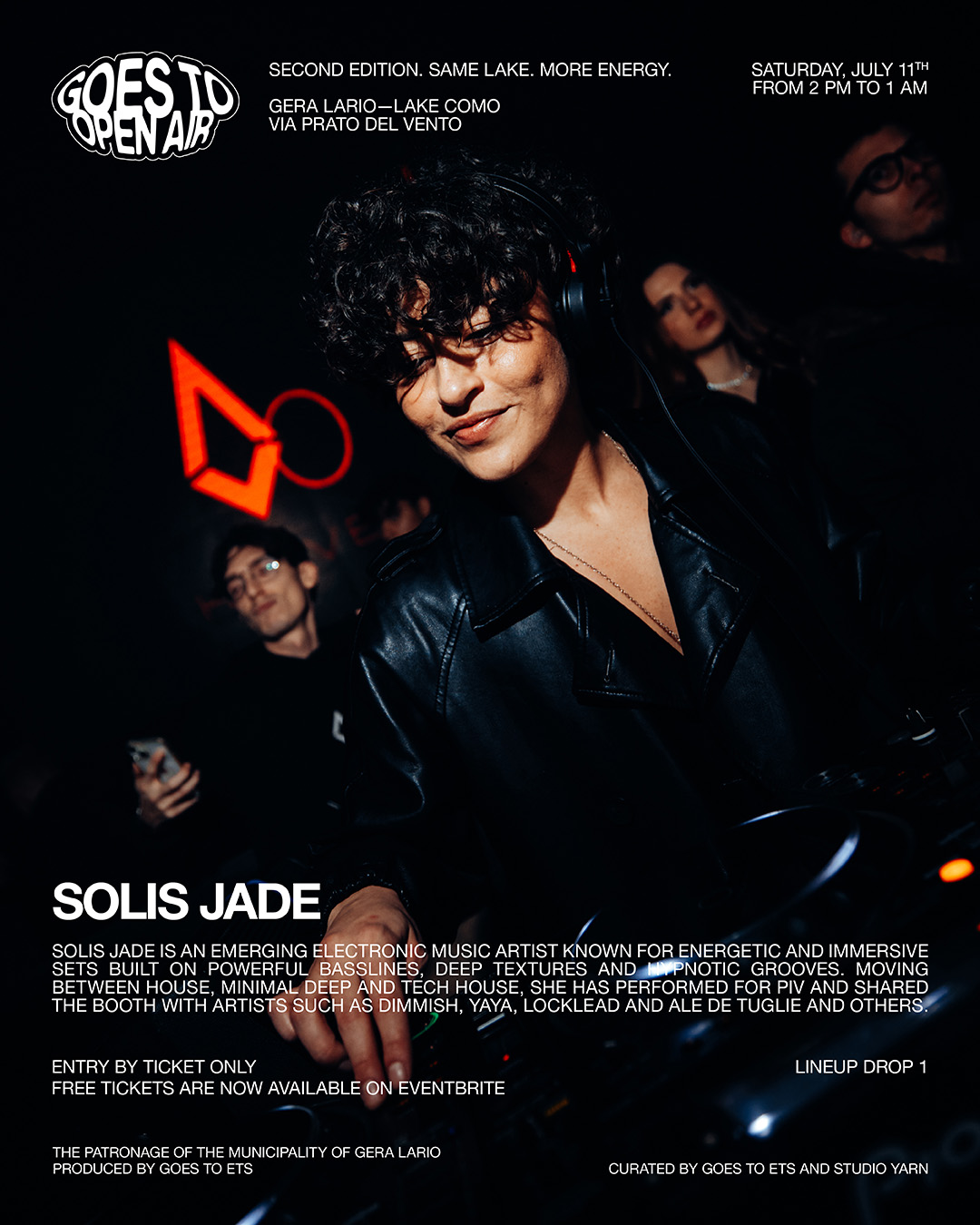
For the 2026 edition, we led the festival's art direction and developed a new visual language with a stronger editorial and photographic approach. Imagery became the core of the communication, using portraits, details, people and moments from the festival to create a direct, immersive and contemporary narrative.
Typography acts as the underlying structure, organising content through bold headlines, horizontal bands and clear visual hierarchies. The resulting system is flexible enough to accommodate service information, lineup announcements, food vendors, partnerships and artist features while maintaining consistency across every touchpoint.
We also coordinated the project's creative teams—including social media managers, content creators, videographers and photographers—establishing a unified direction across content production, digital communication and the on-site experience.
Outcome. A more mature and structured visual identity that transformed the festival's communication into a continuous editorial narrative. A distinctive photographic and typographic system designed to give space to people, artists and the energy of the event while ensuring clarity and consistency across every application.
Partner: Goes to ets | Art Director: Eleonora Sicolo | Graphic Designer: Beatrice Penati
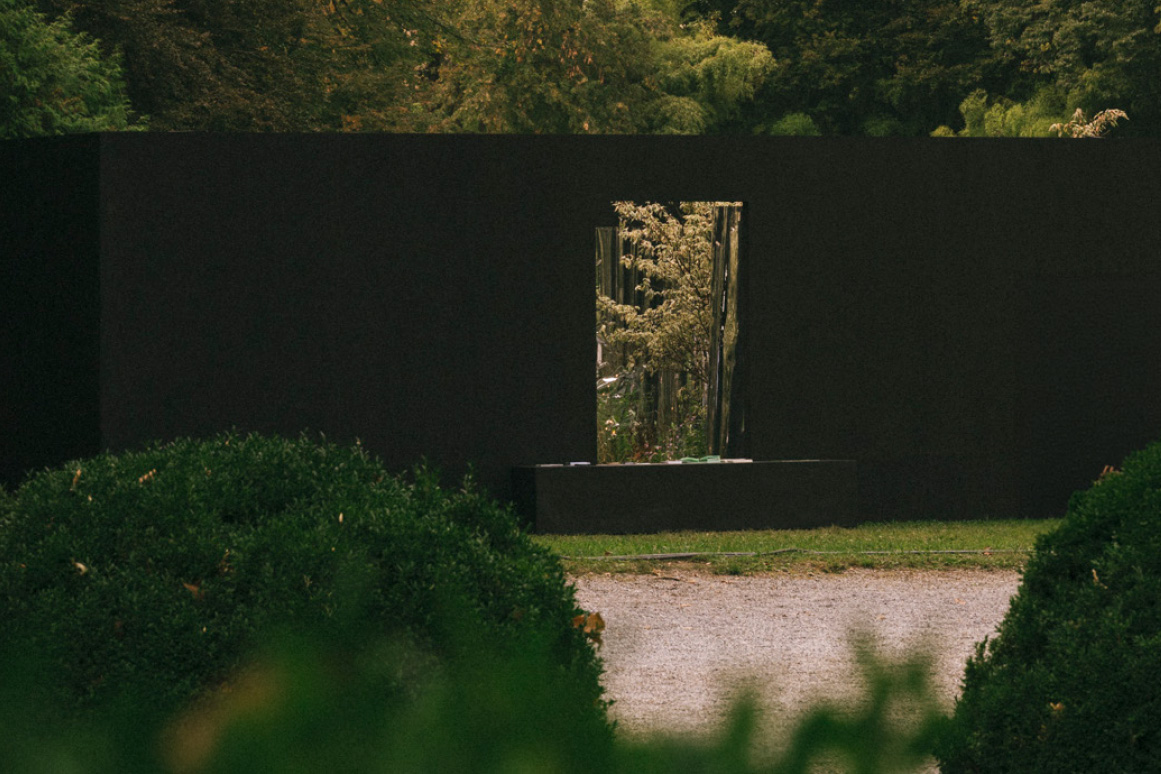
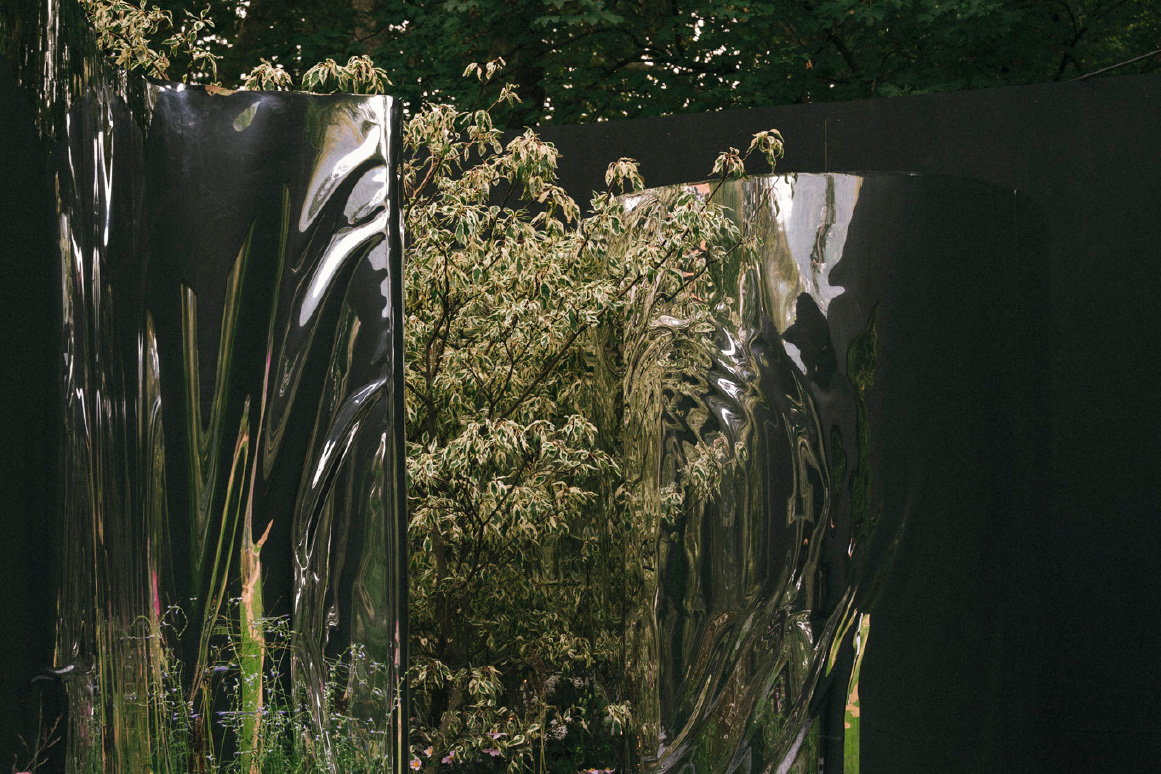
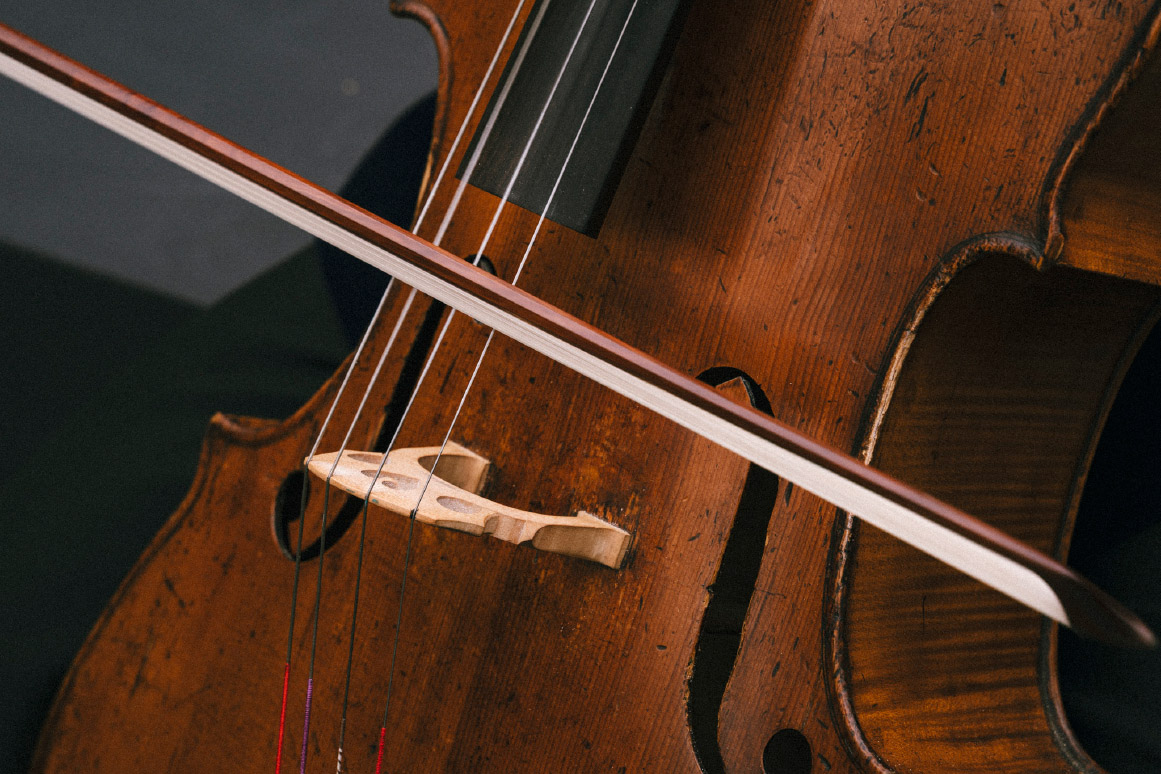
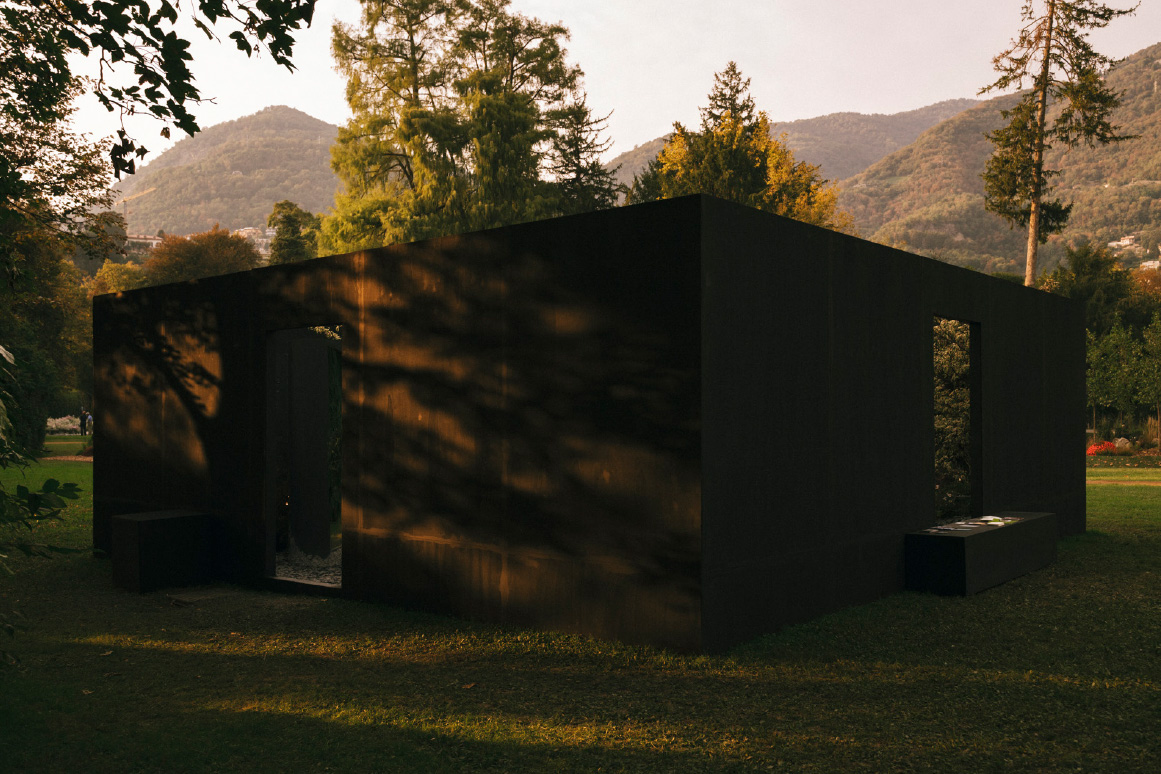
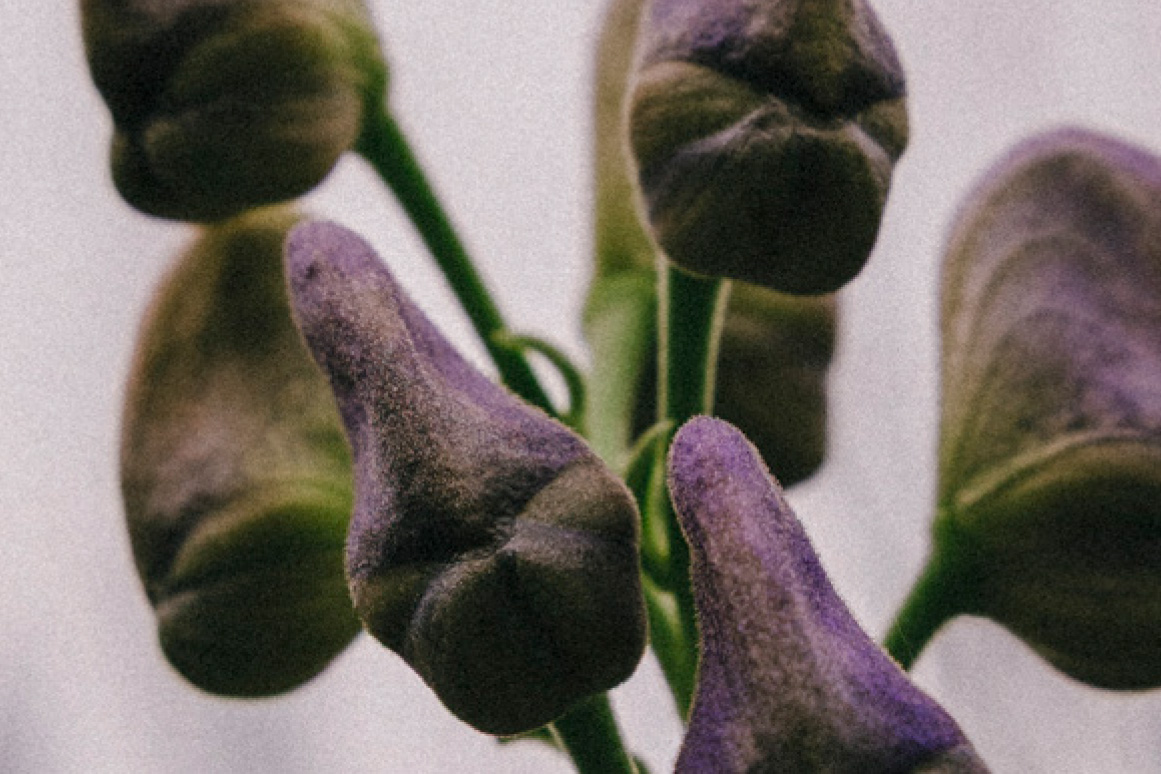
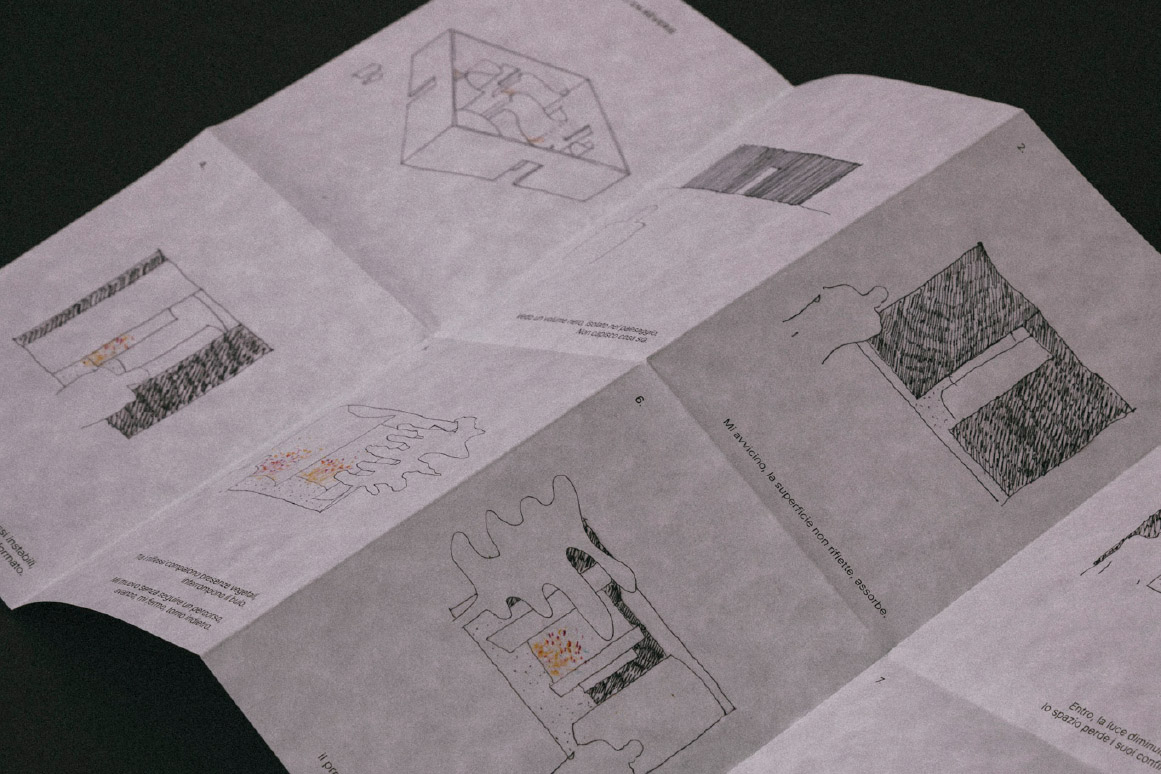
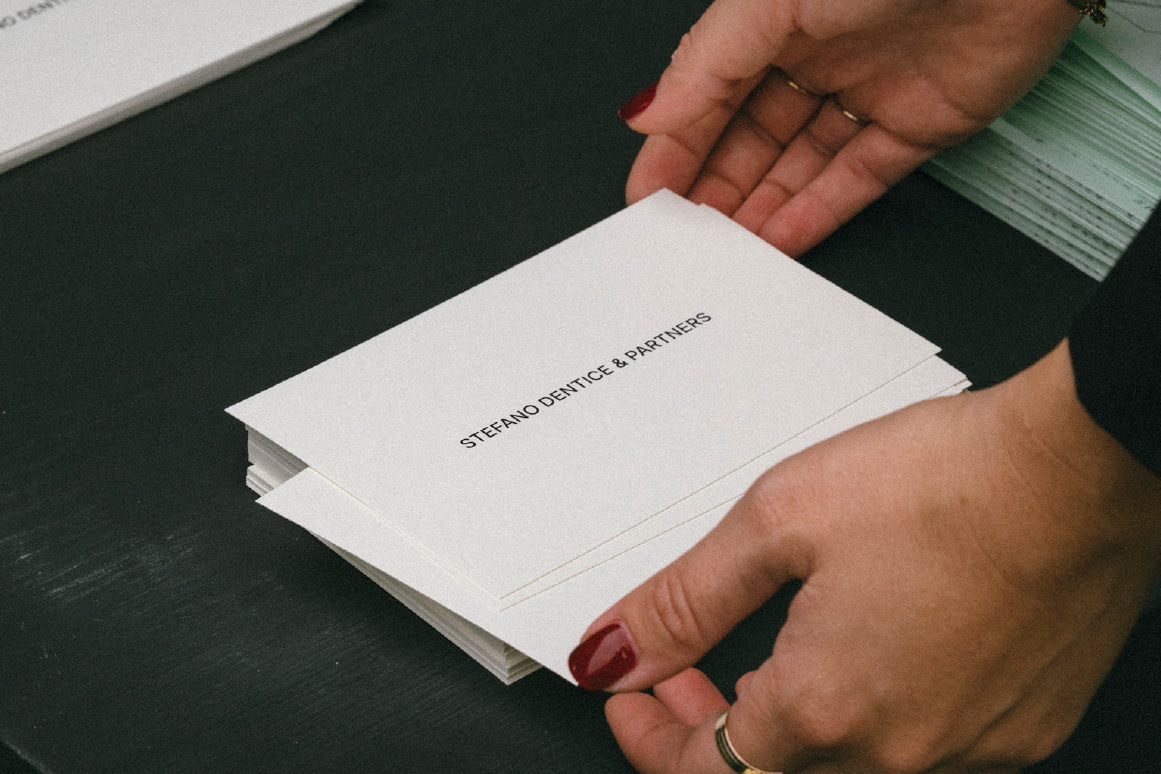
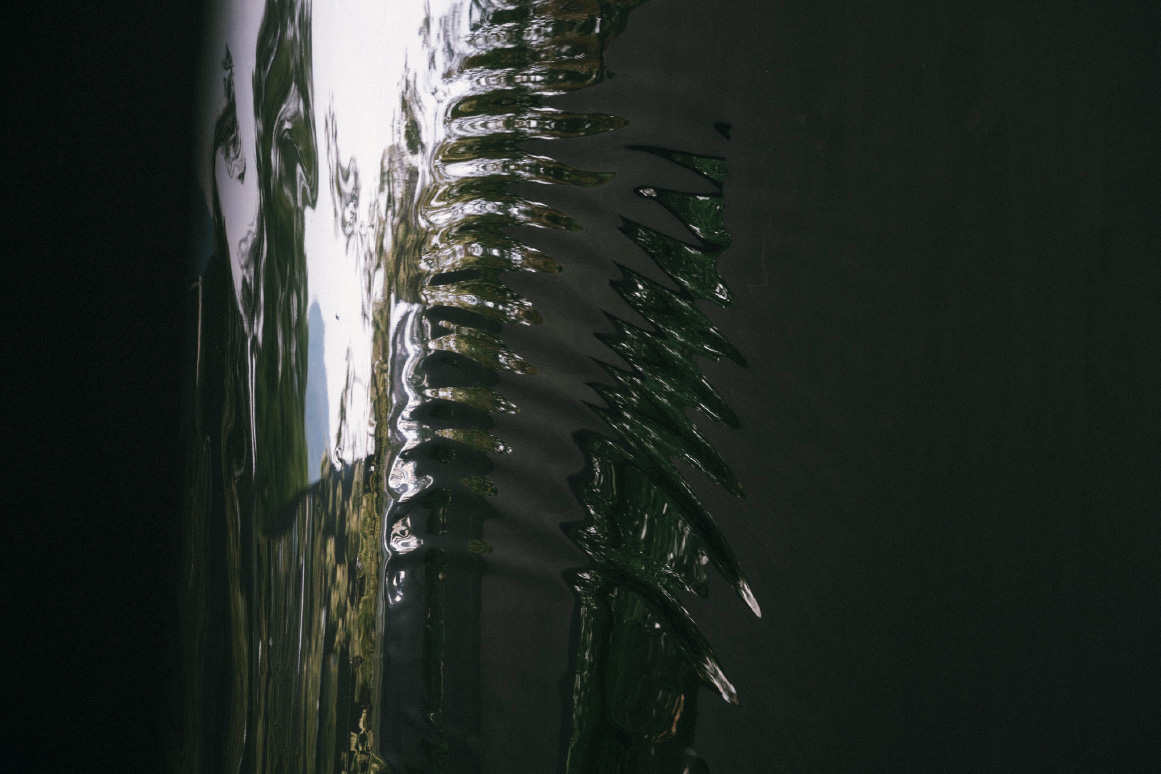


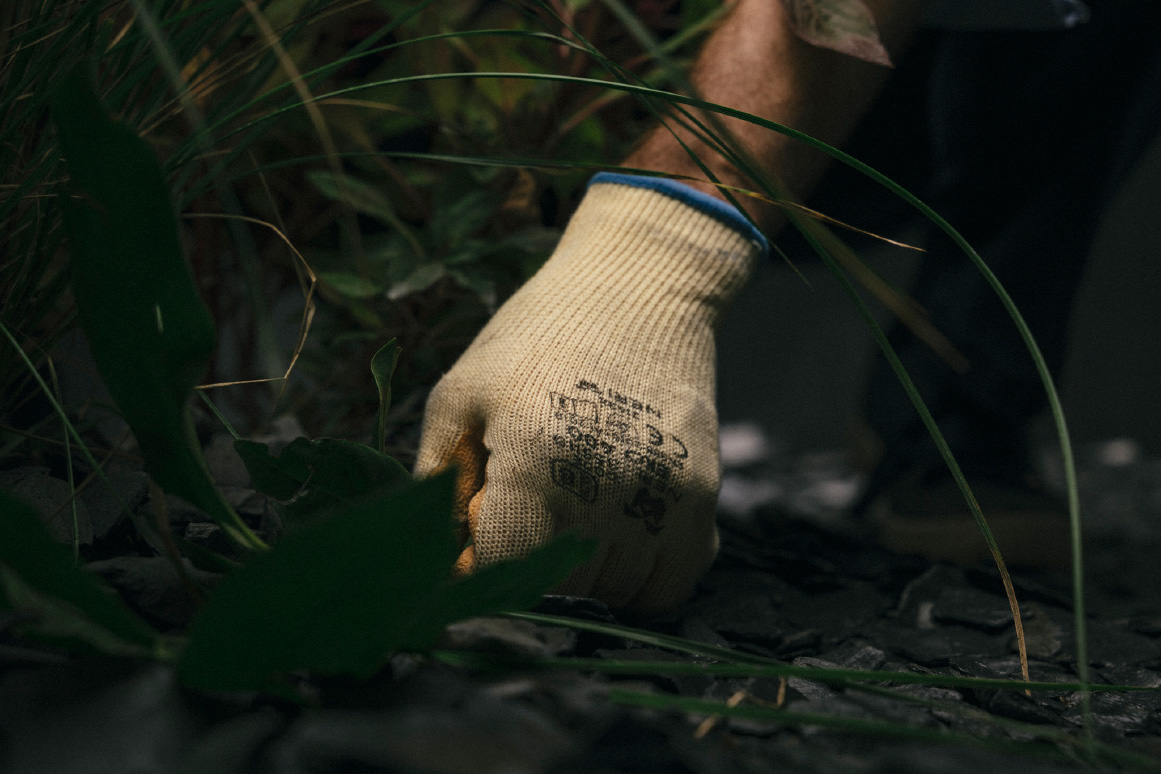
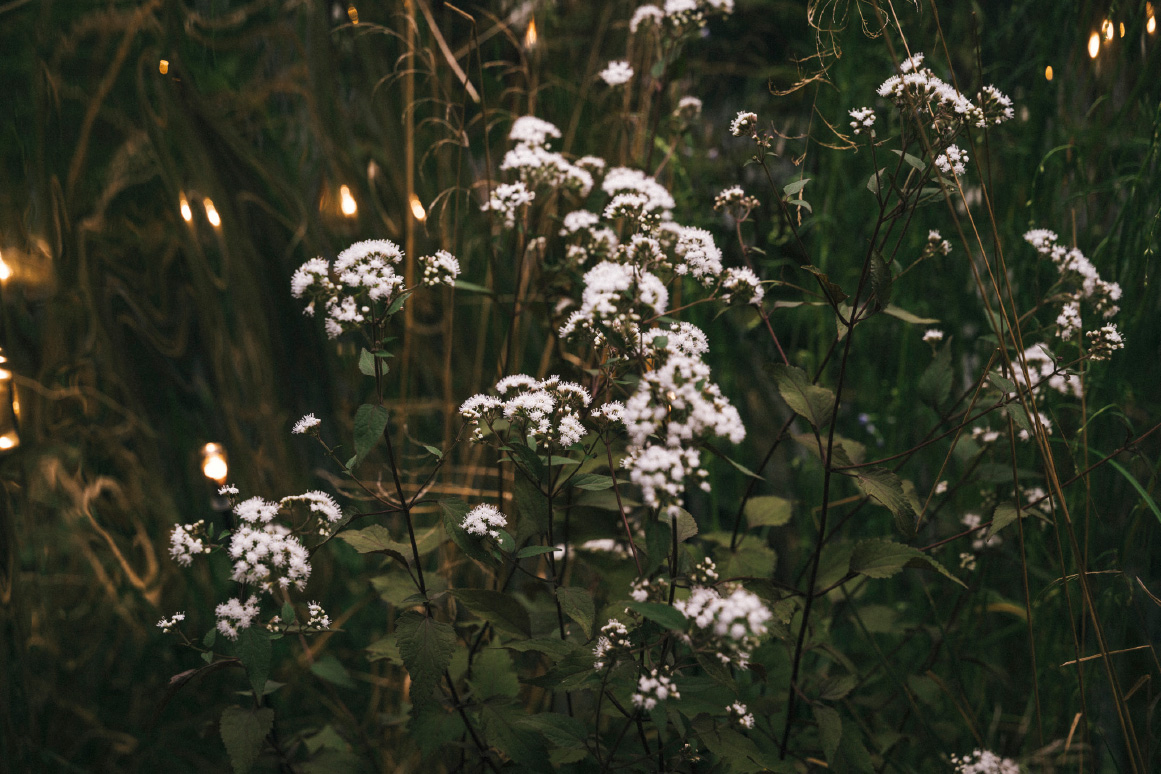
The project stems from a clear idea: to transform the landscape into a perceptual space capable of challenging the boundary between what is real and what is perceived. For Orticolario 2026, Stefano Dentice & Partners presents La Soglia, an immersive installation conceived as a temporary passage between nature, architecture and the inner realm.
A compact, silent black volume emerges within the landscape of Villa Erba. Inside, curved reflective surfaces dissolve the boundaries of the space, fragmenting and reframing its surroundings. Vegetation appears through reflections and distortions as a living, unexpected presence, while a bespoke fragrance developed for the installation by maître parfumeur Nuria du Chêne de Vère introduces an additional sensory layer. Visitors move through the space without a predetermined route, suspended between inside and outside, reality and imagination.
We developed the project’s visual communication, from defining its narrative and visual language to designing the communication materials and providing art direction for the photography and video production.
The art direction for photography and video followed the same principle as the installation itself: to reveal without fully explaining. Framing, details and sequences create a fragmented perception of the space, gradually bringing into focus the relationship between the black volume, the surrounding landscape and the vegetation within it.
Outcome: a visual communication system that extends La Soglia beyond the duration and physical boundaries of the installation. Photography, video and graphic materials convey the project’s identity while preserving its perceptual dimension.
Partner: Stefano Dentice & Partners
Photography & Video: Photodaf
Fragrance: Nuria du Chêne de Vère
Location: Orticolario 2026, Villa Erba, Lake Como
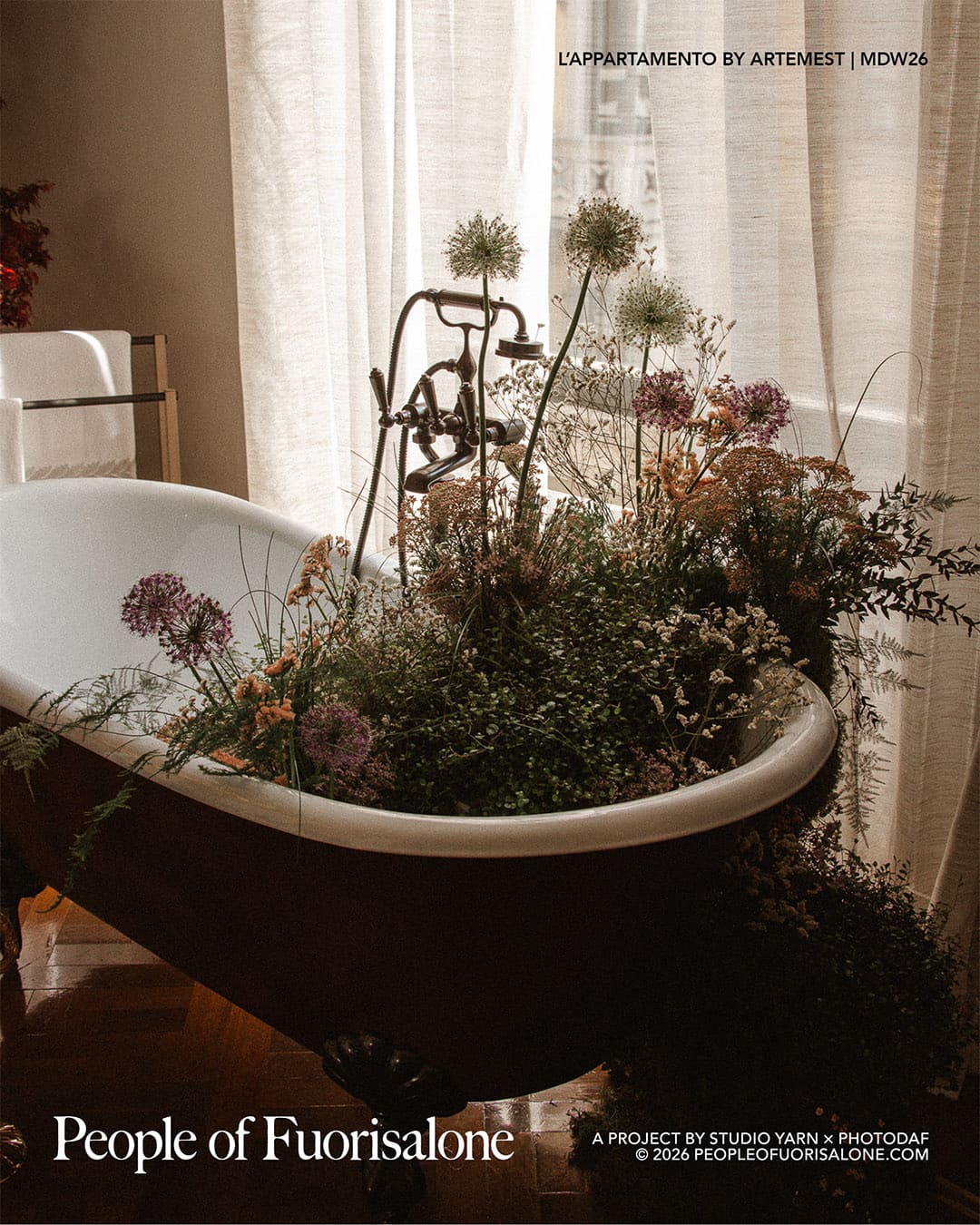
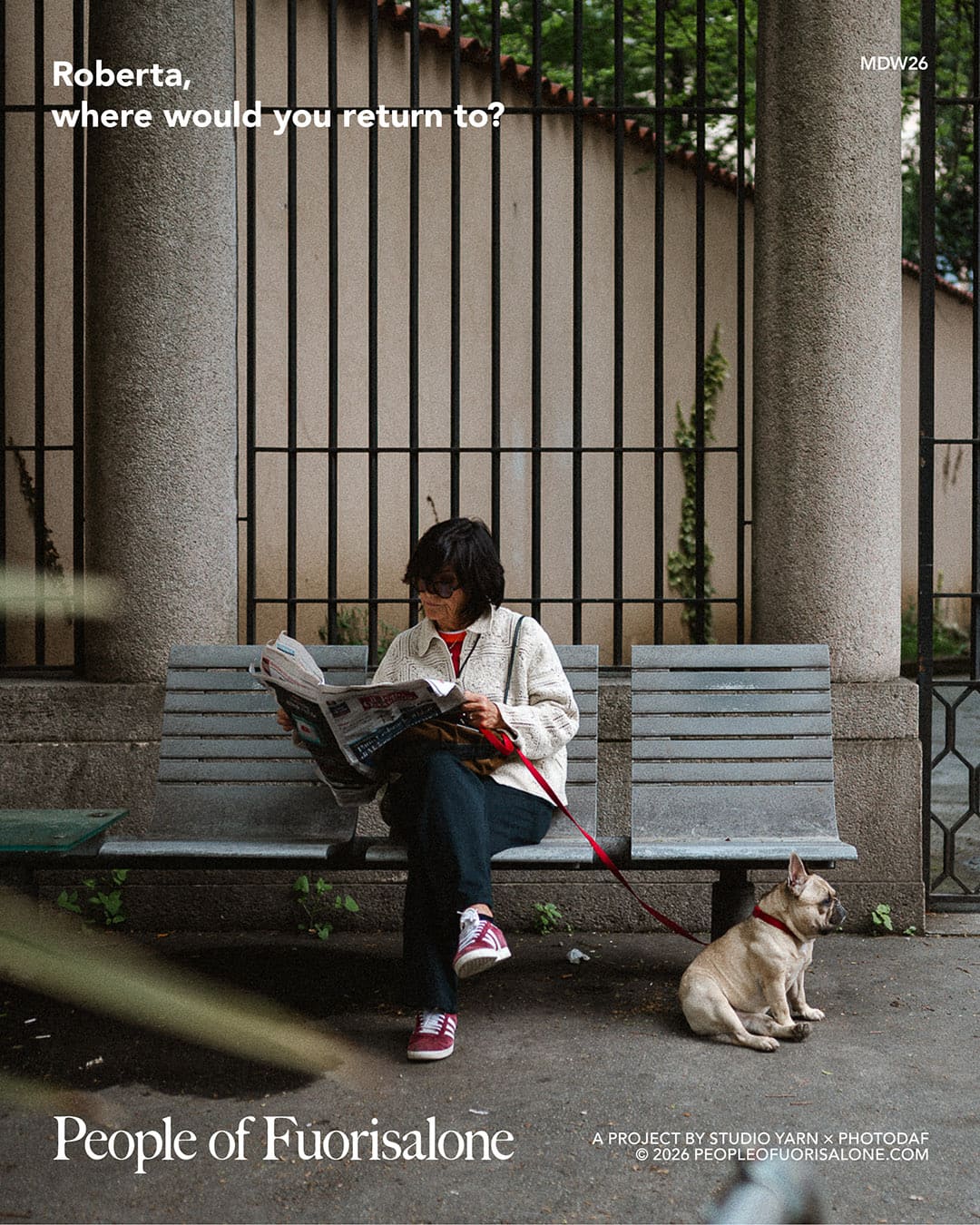
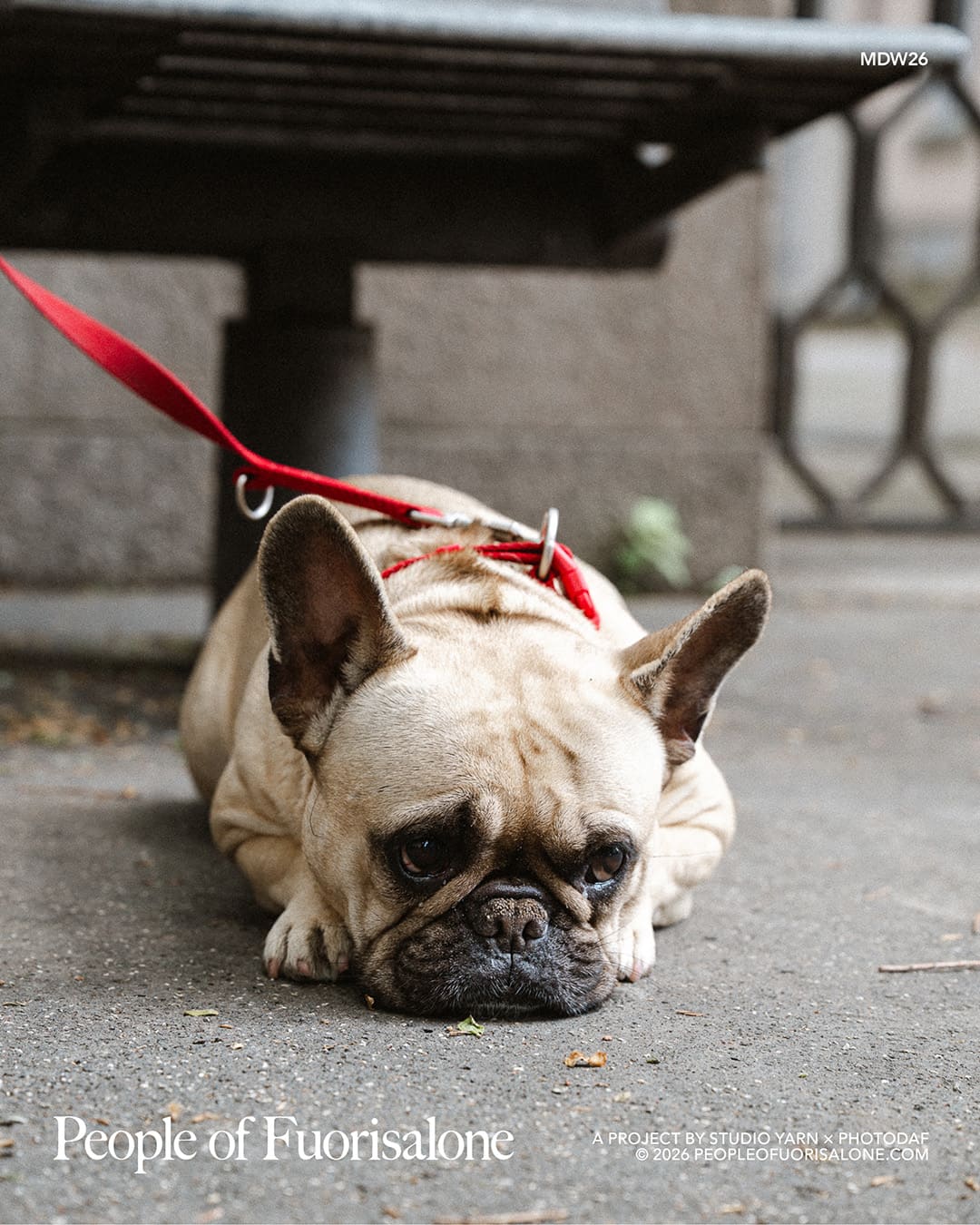
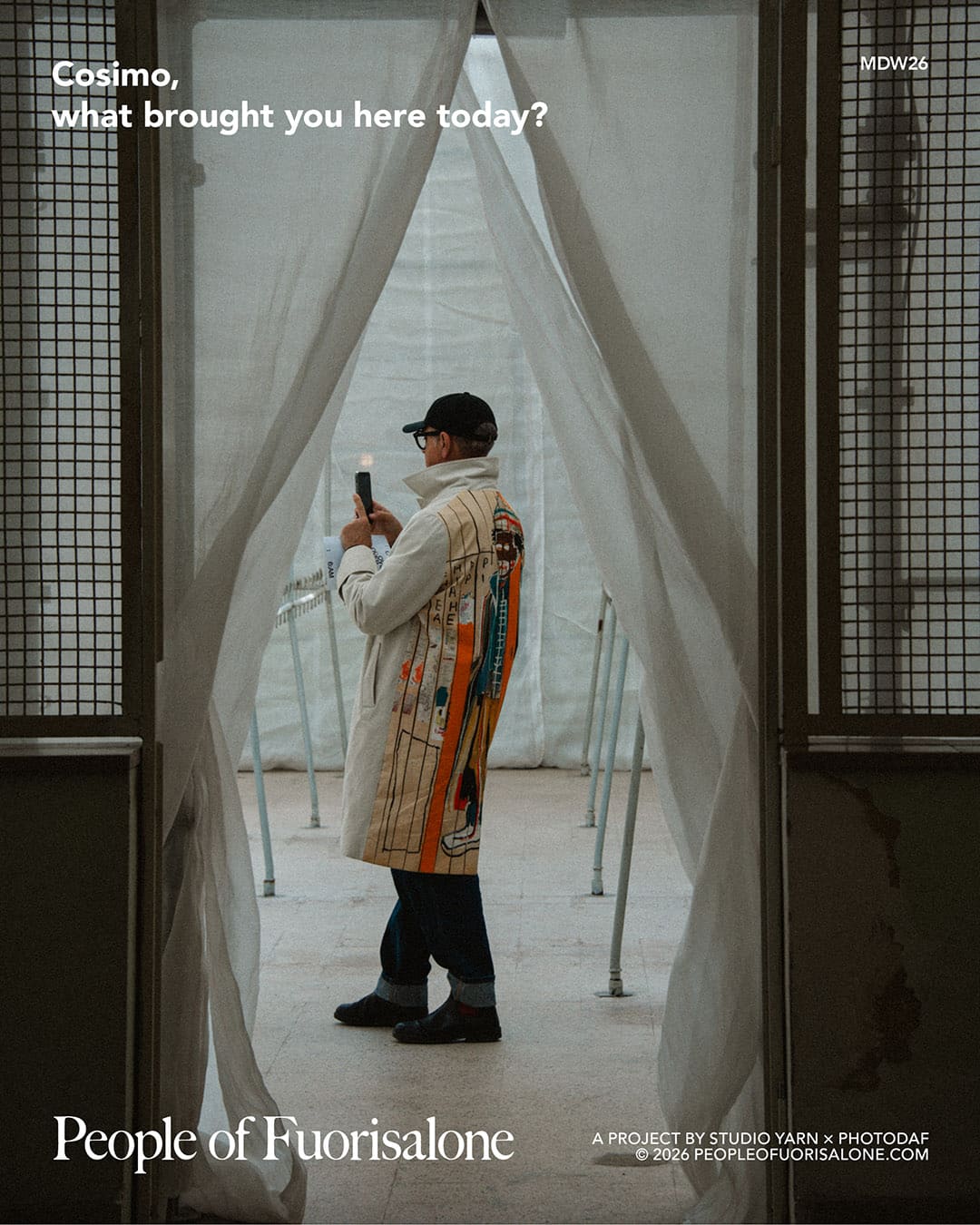
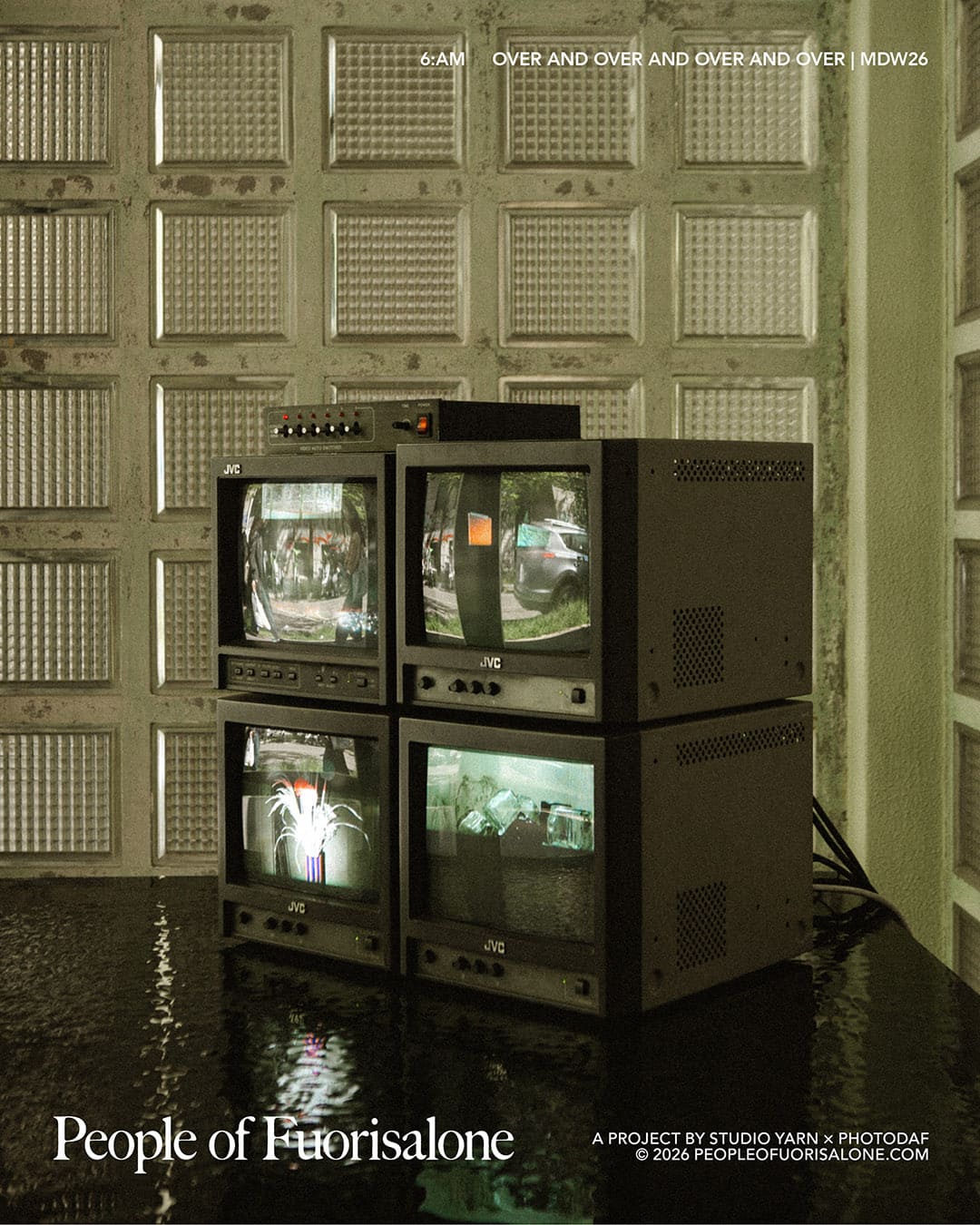
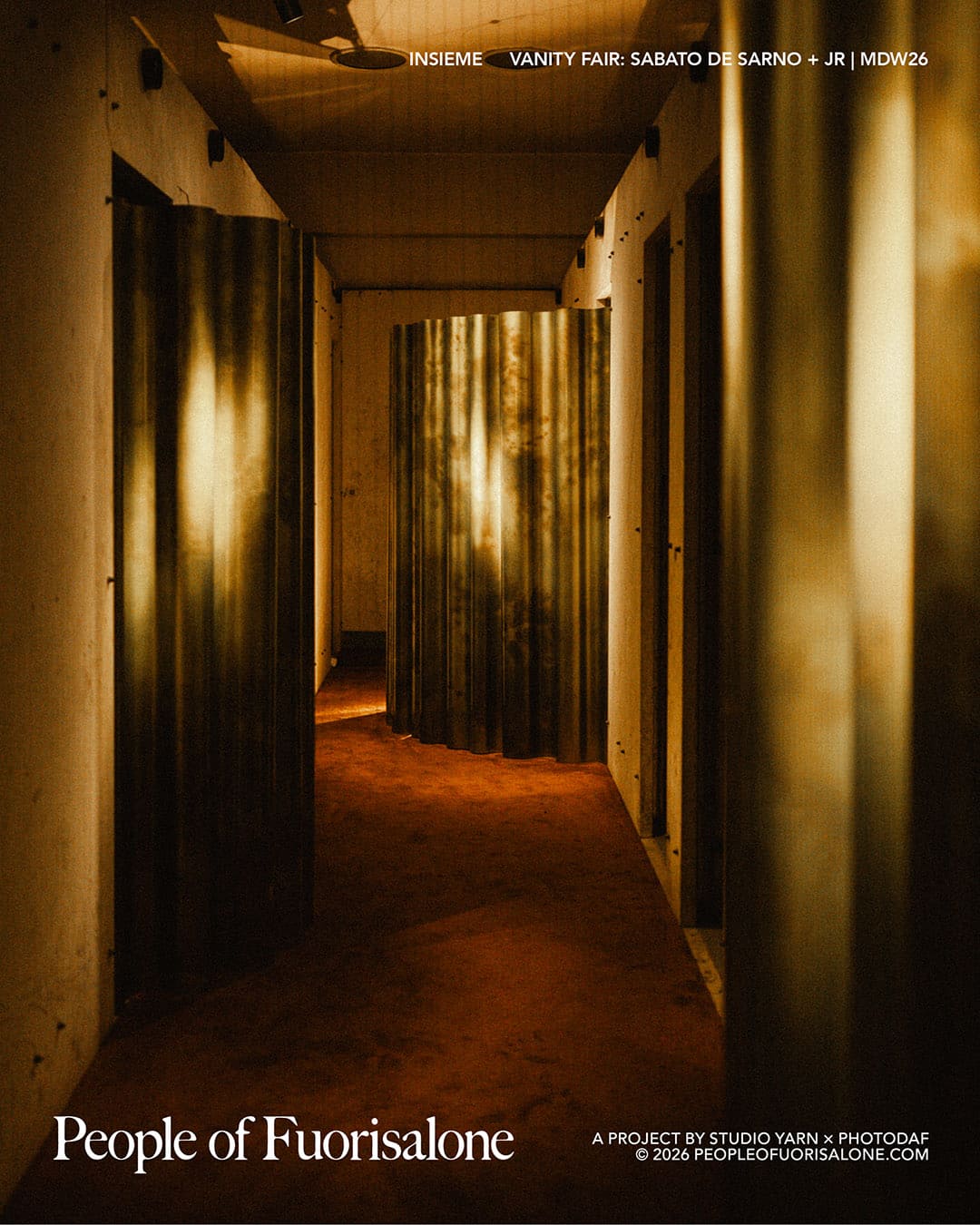
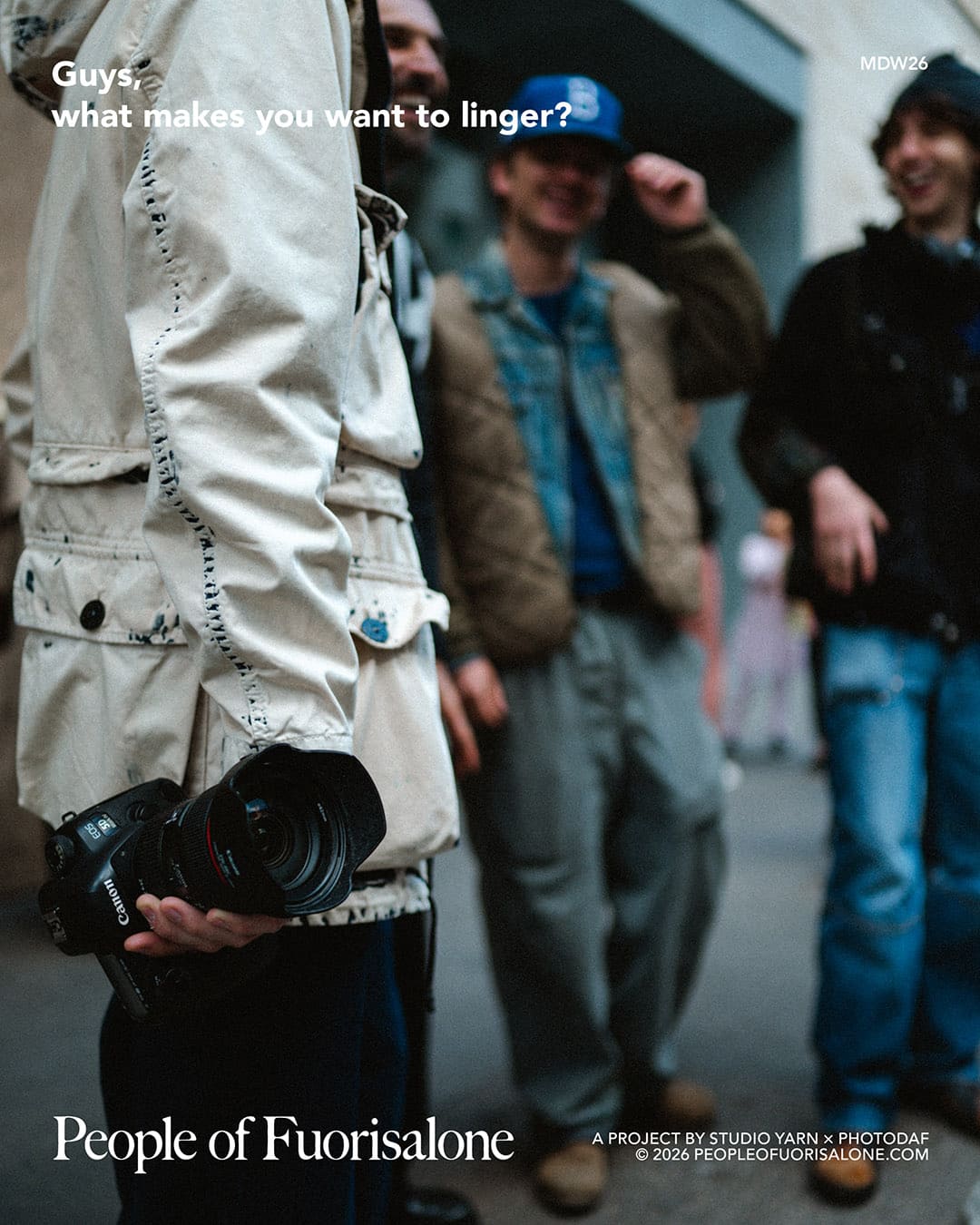
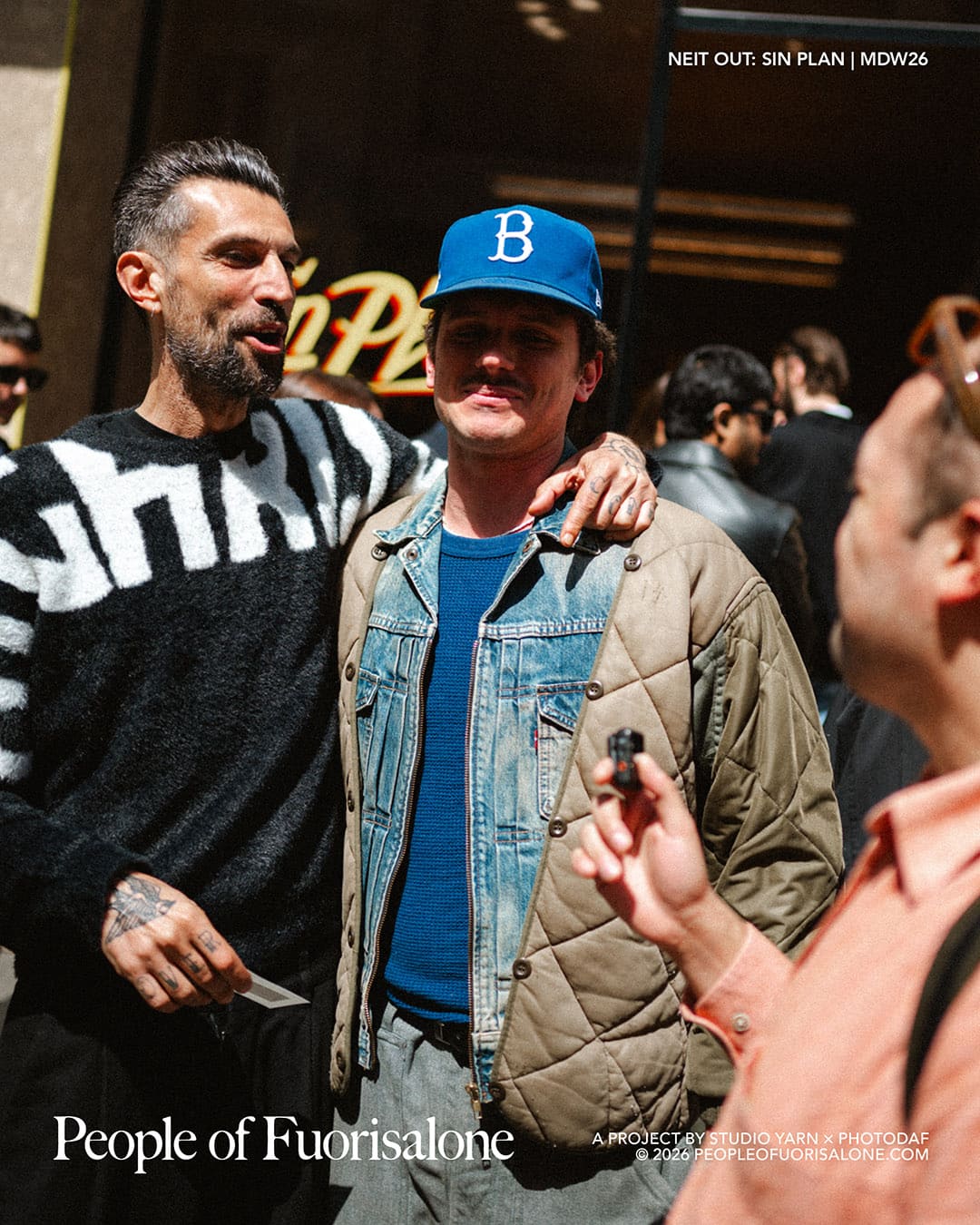
A project by Studio Yarn × Photodaf
Milano Design Week 2026
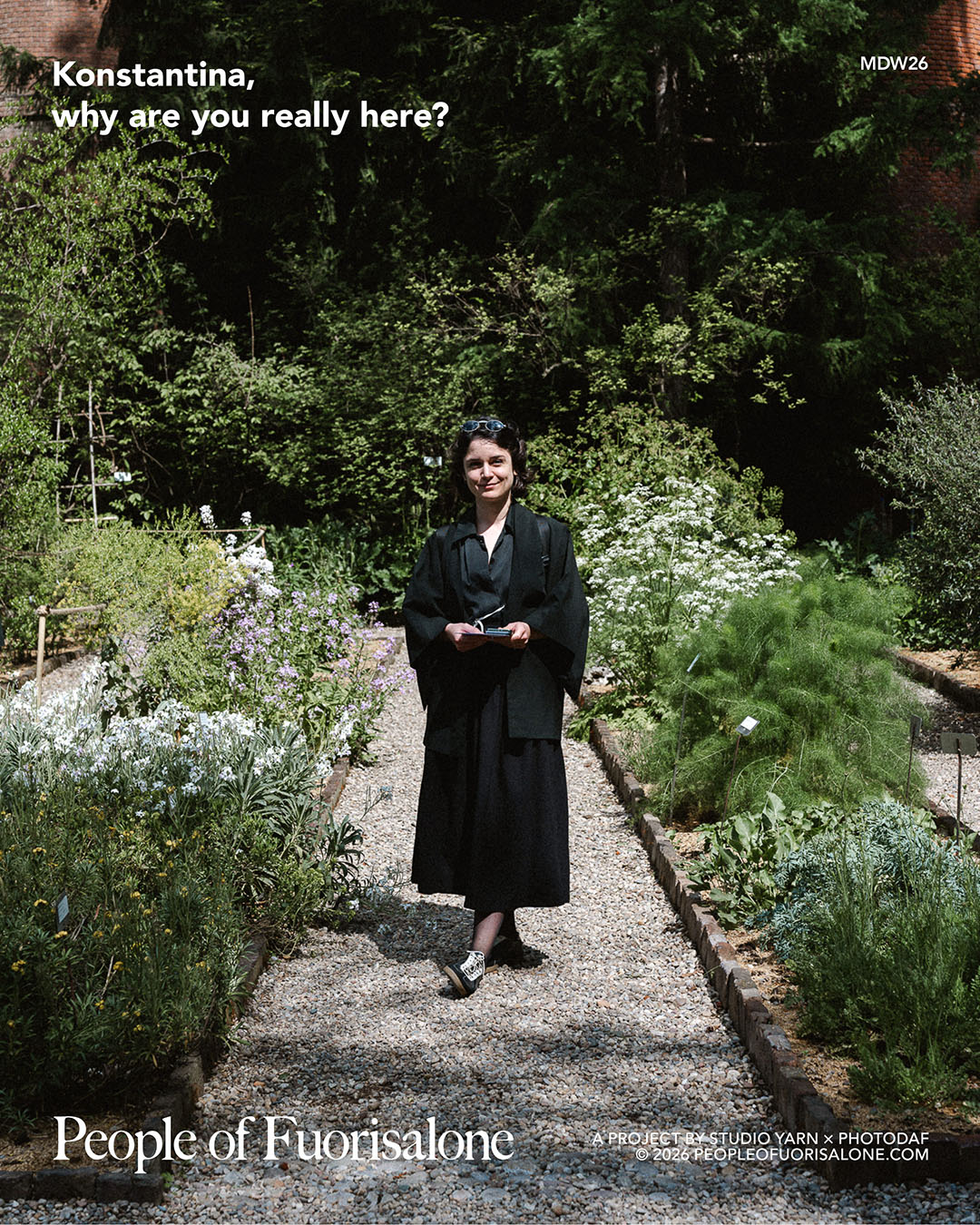
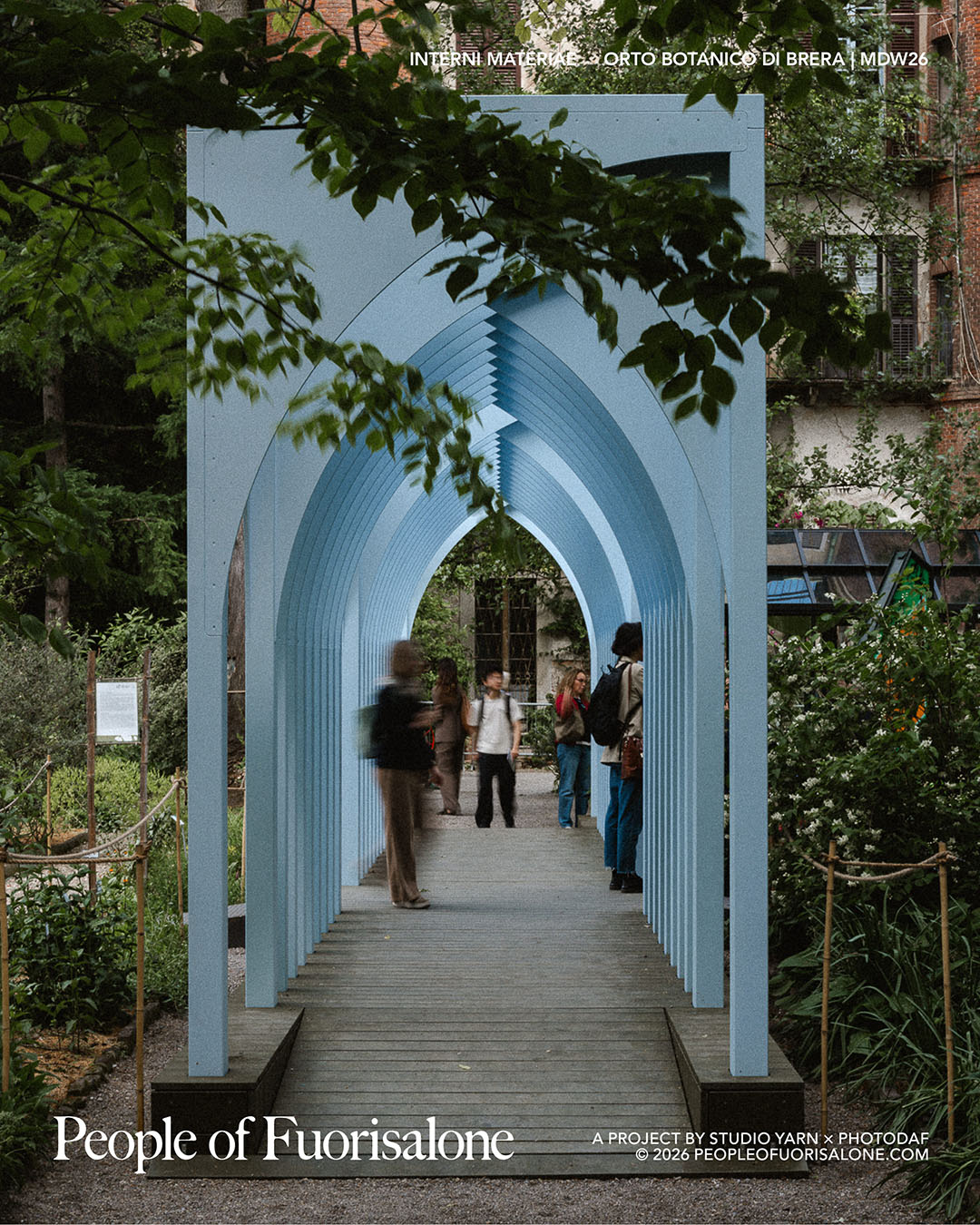
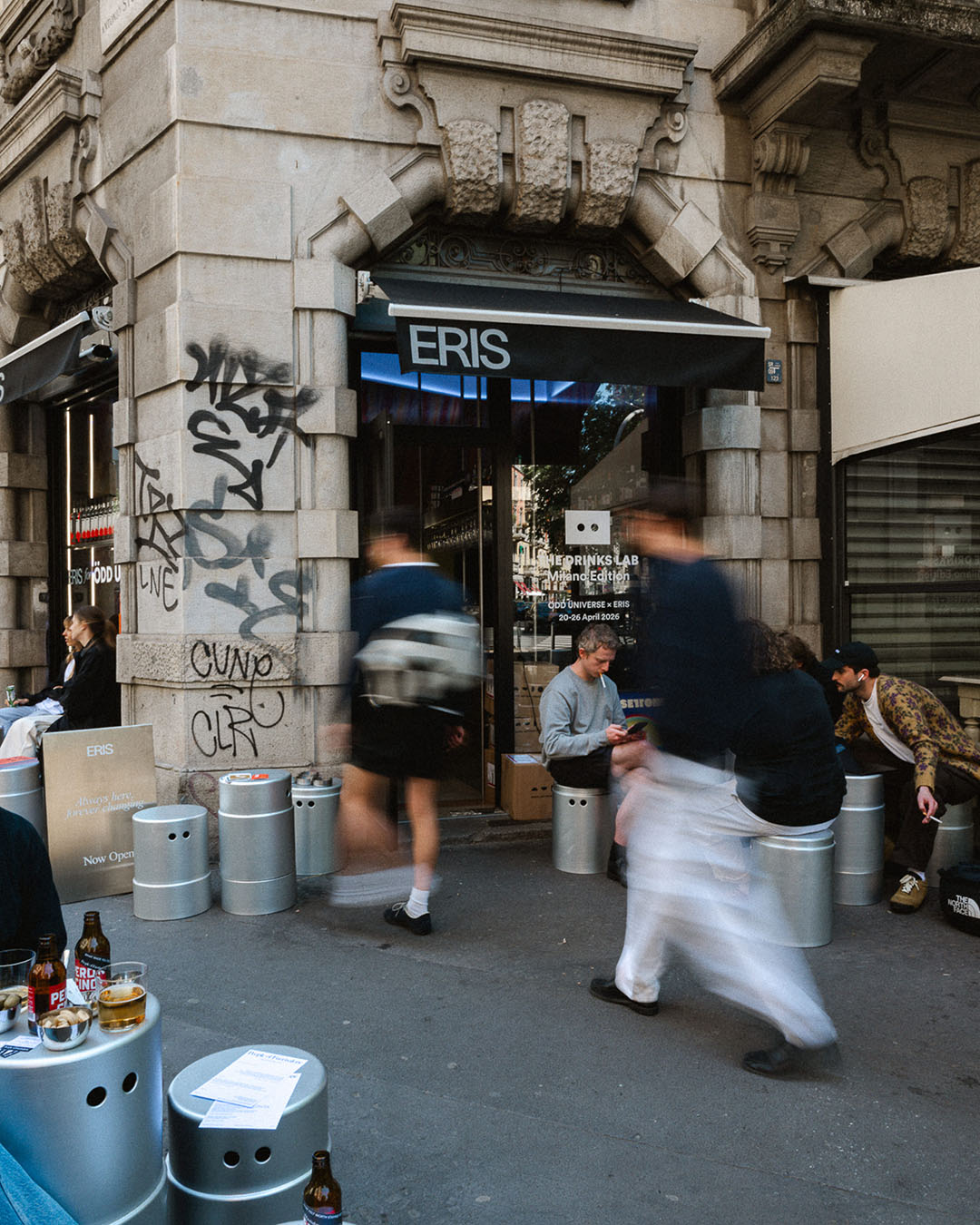
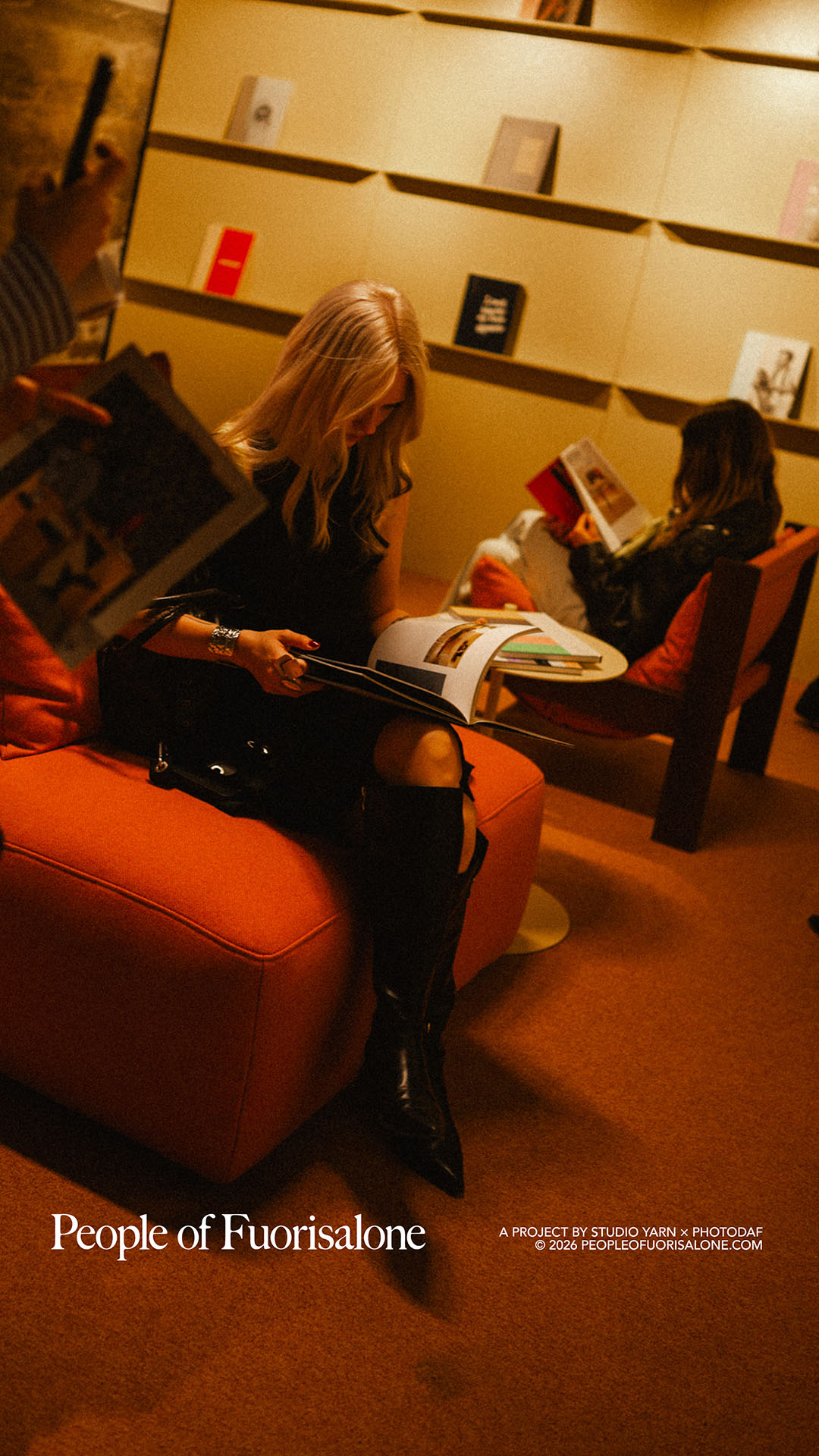
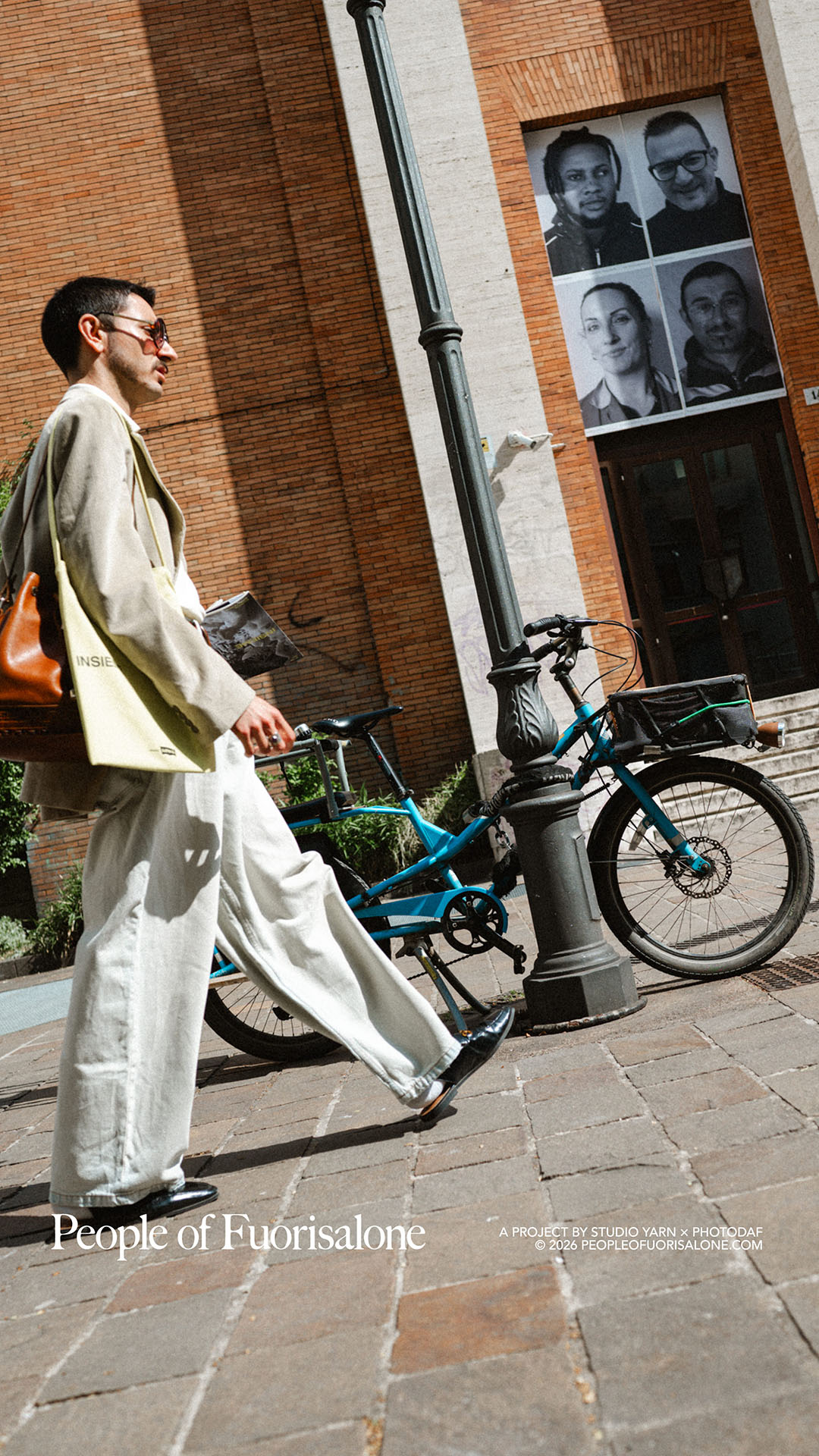
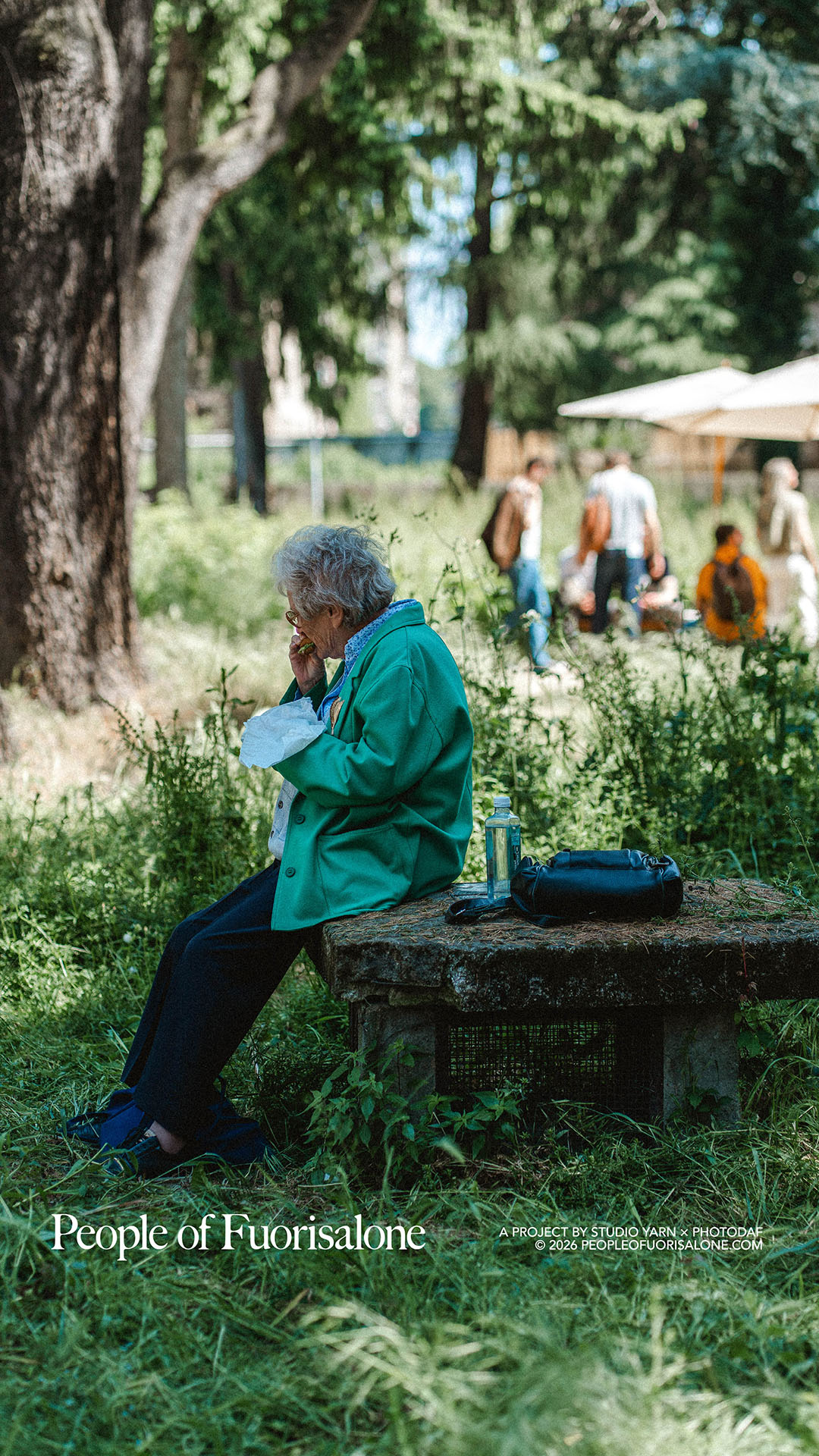
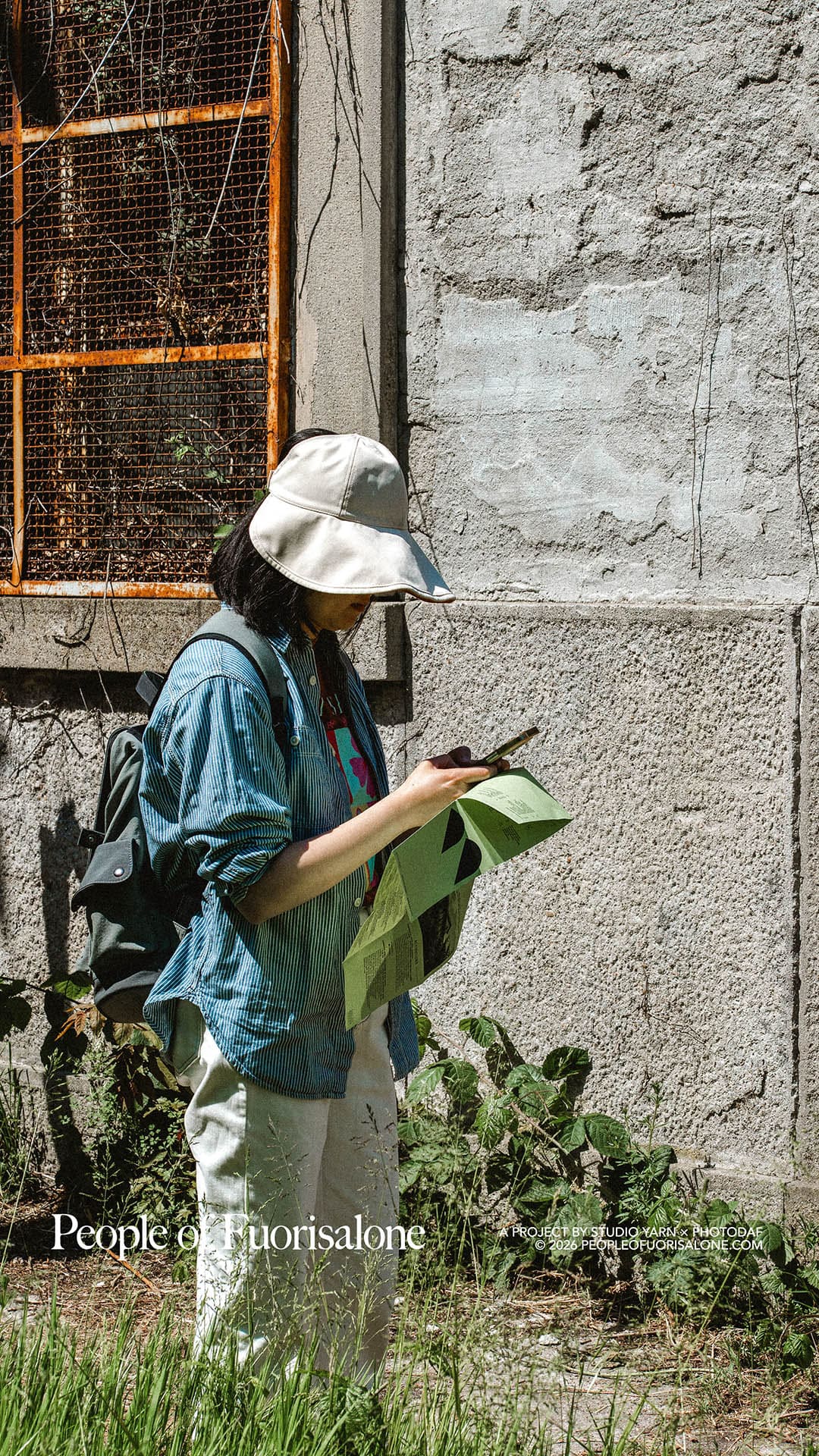
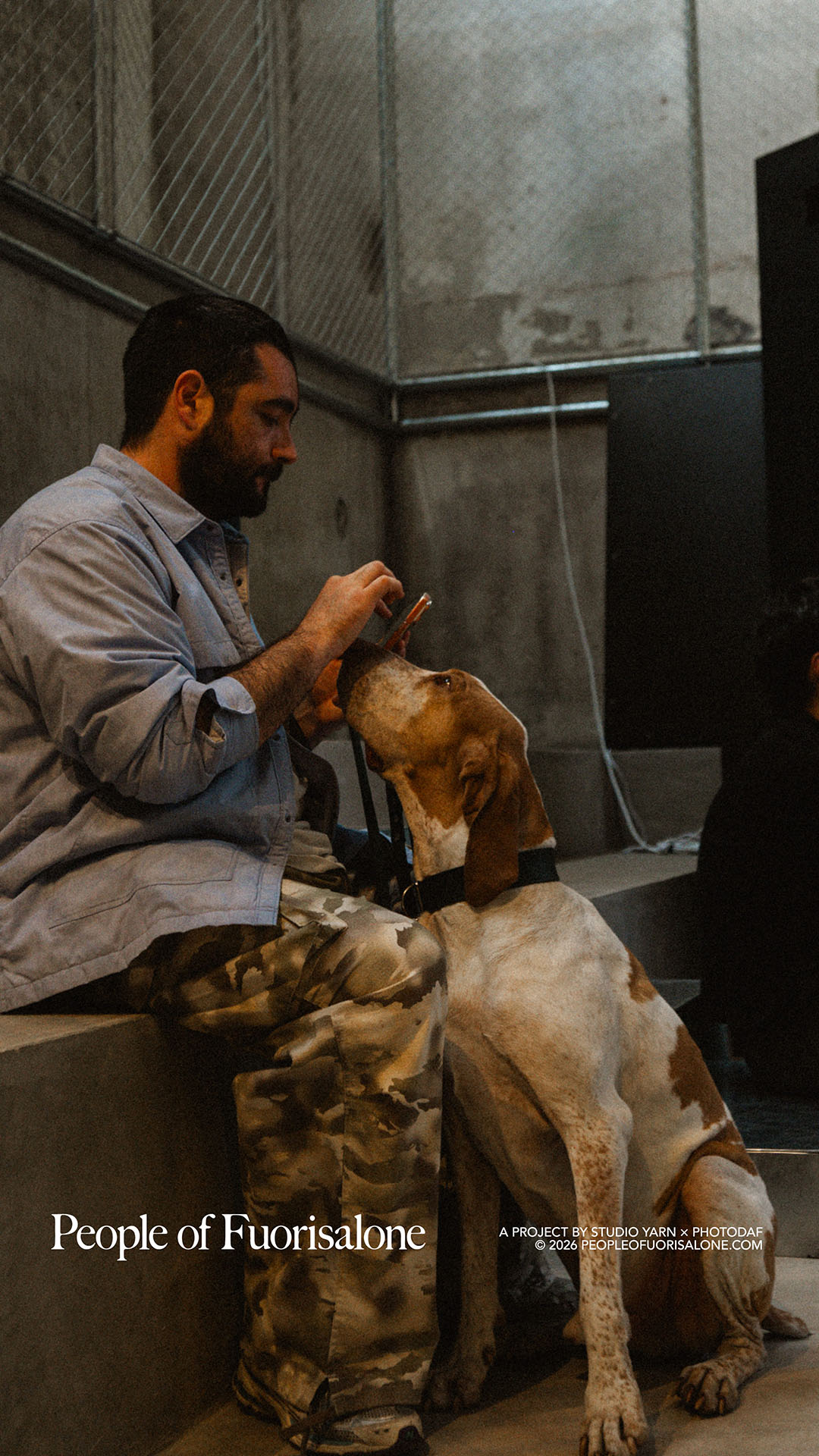
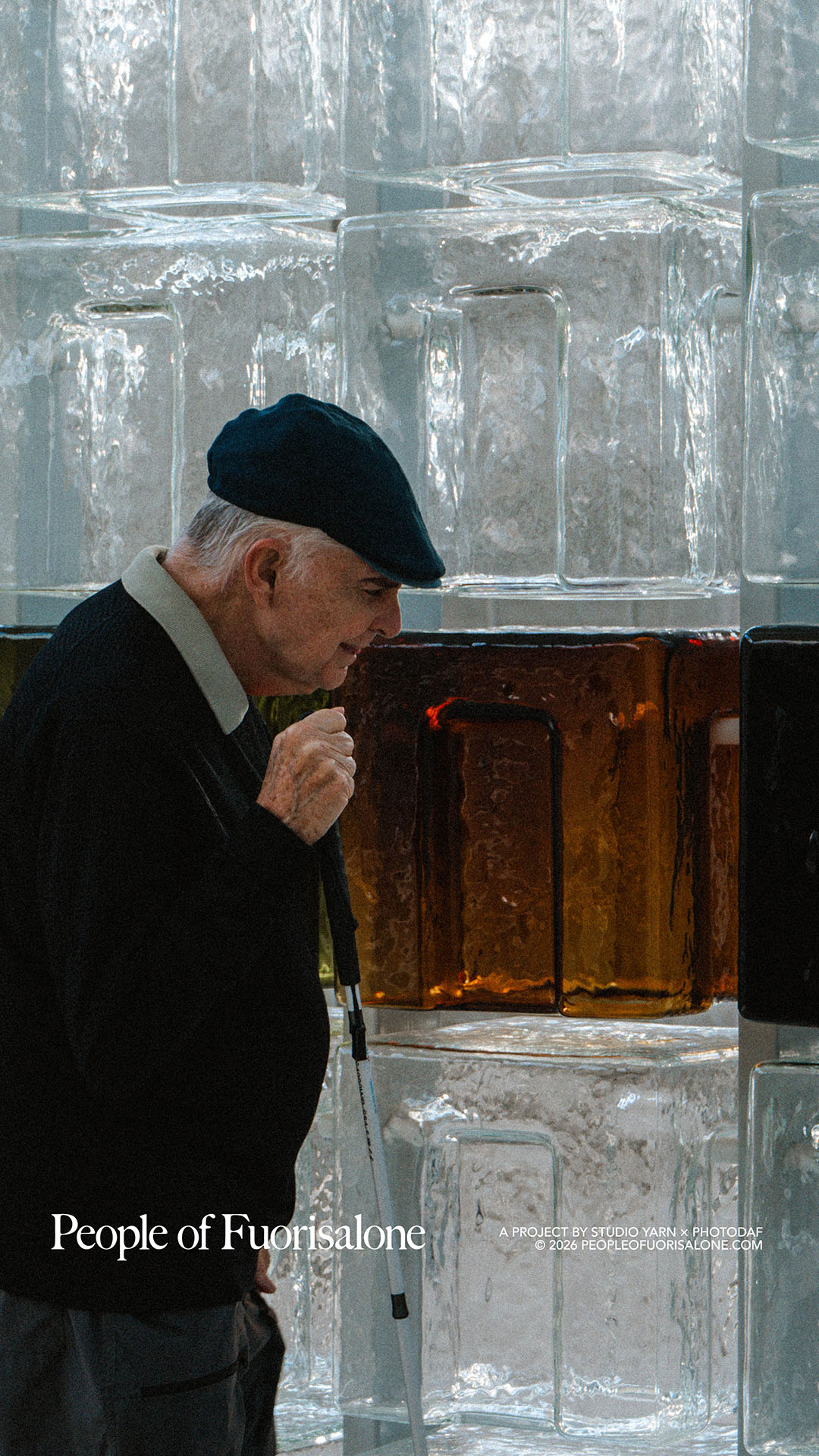
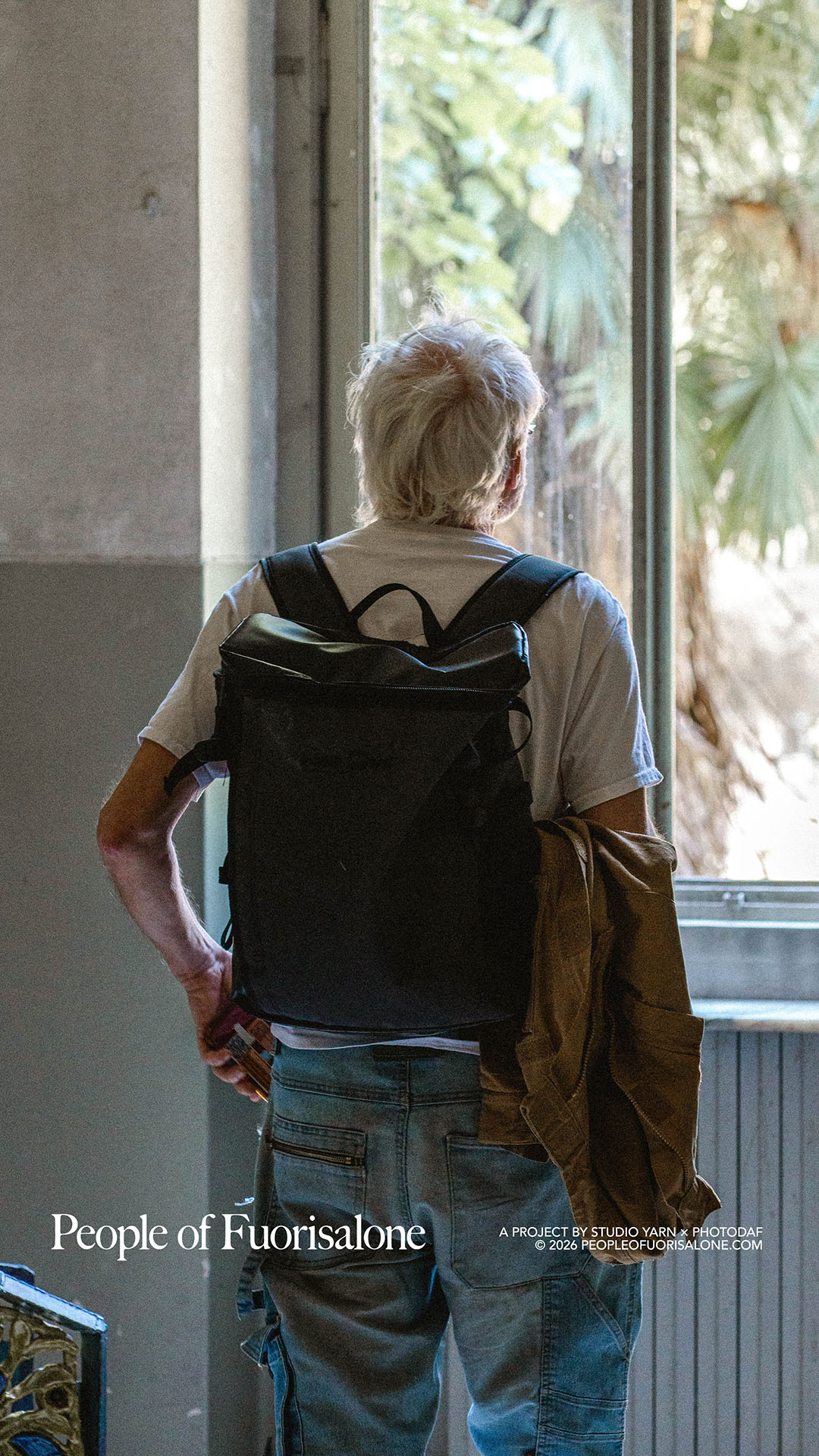
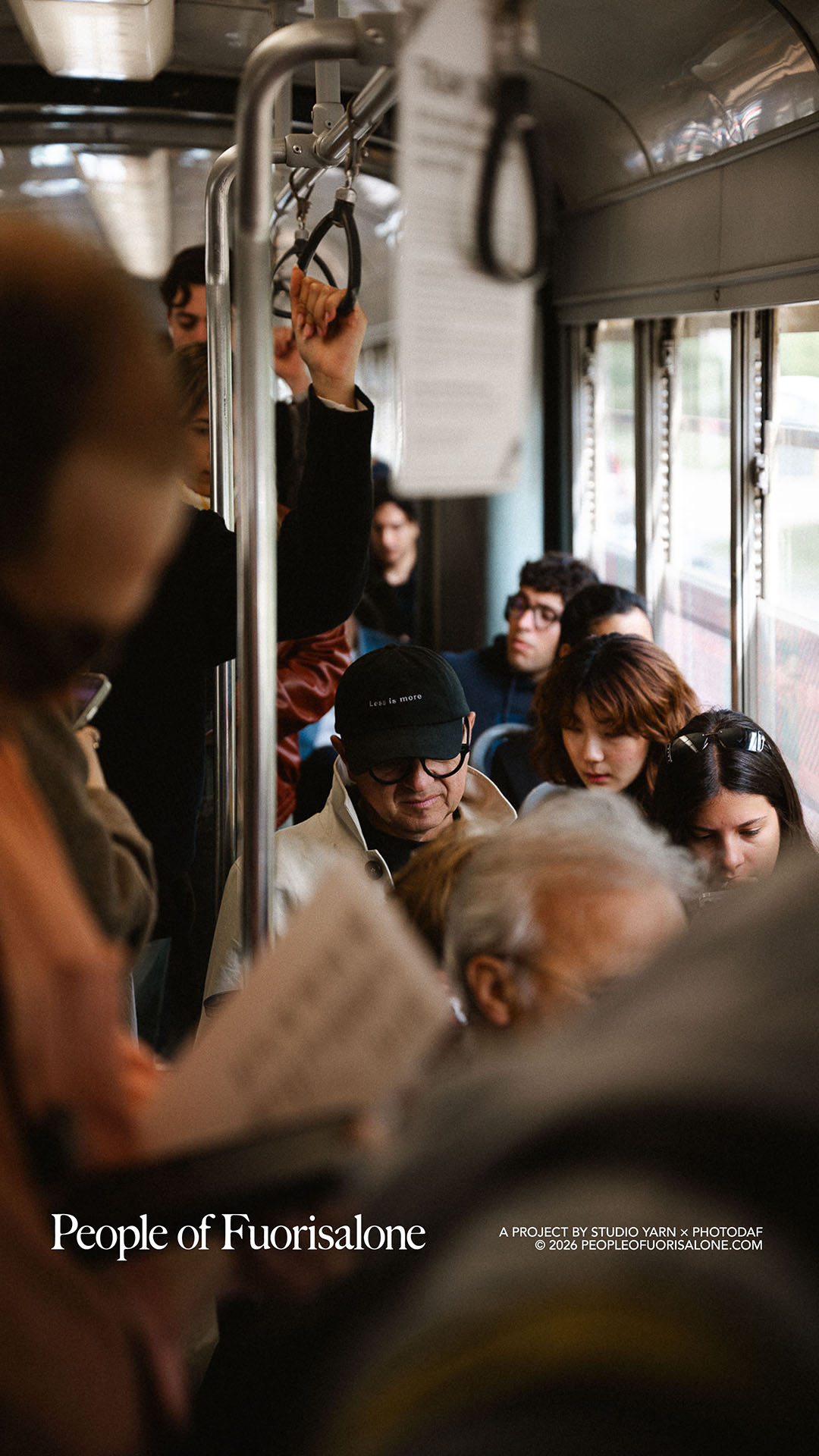
The project originates from a clear observation: during Milano Design Week, attention is focused on spaces, installations and brands, but the element that truly generates meaning is how they are experienced. People activate places, create connections and turn content into experience.
People of Fuorisalone operates within this layer.
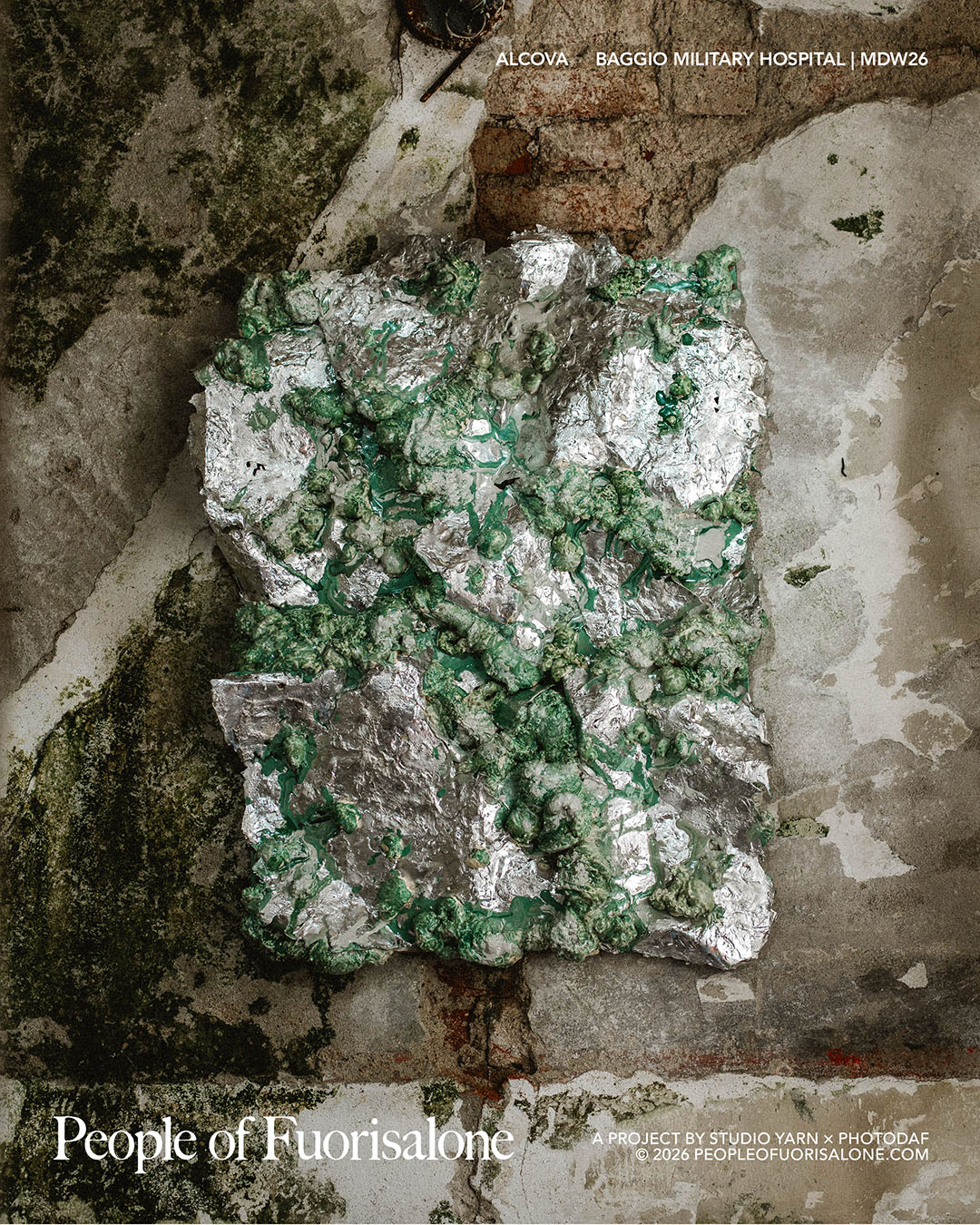
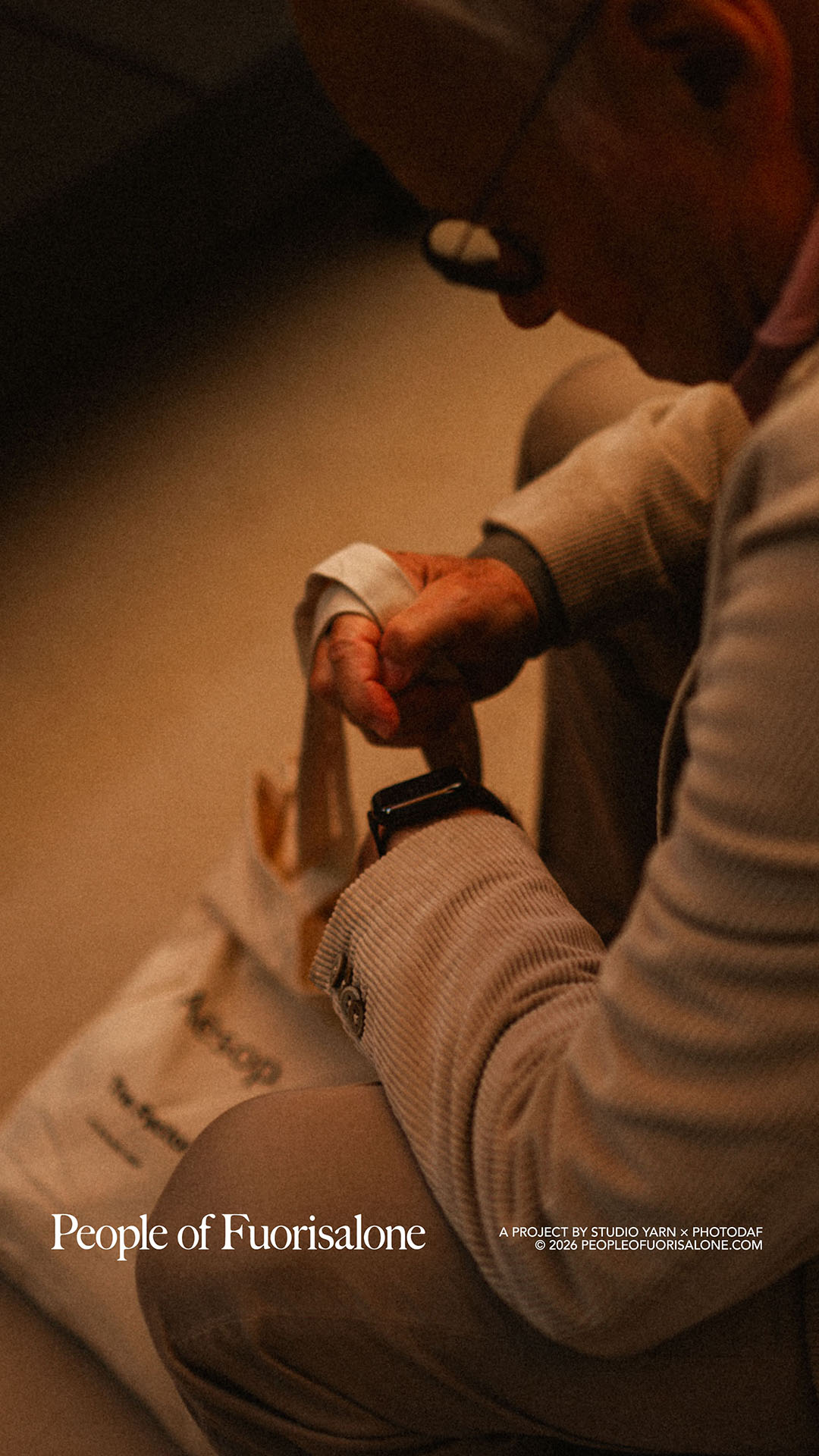
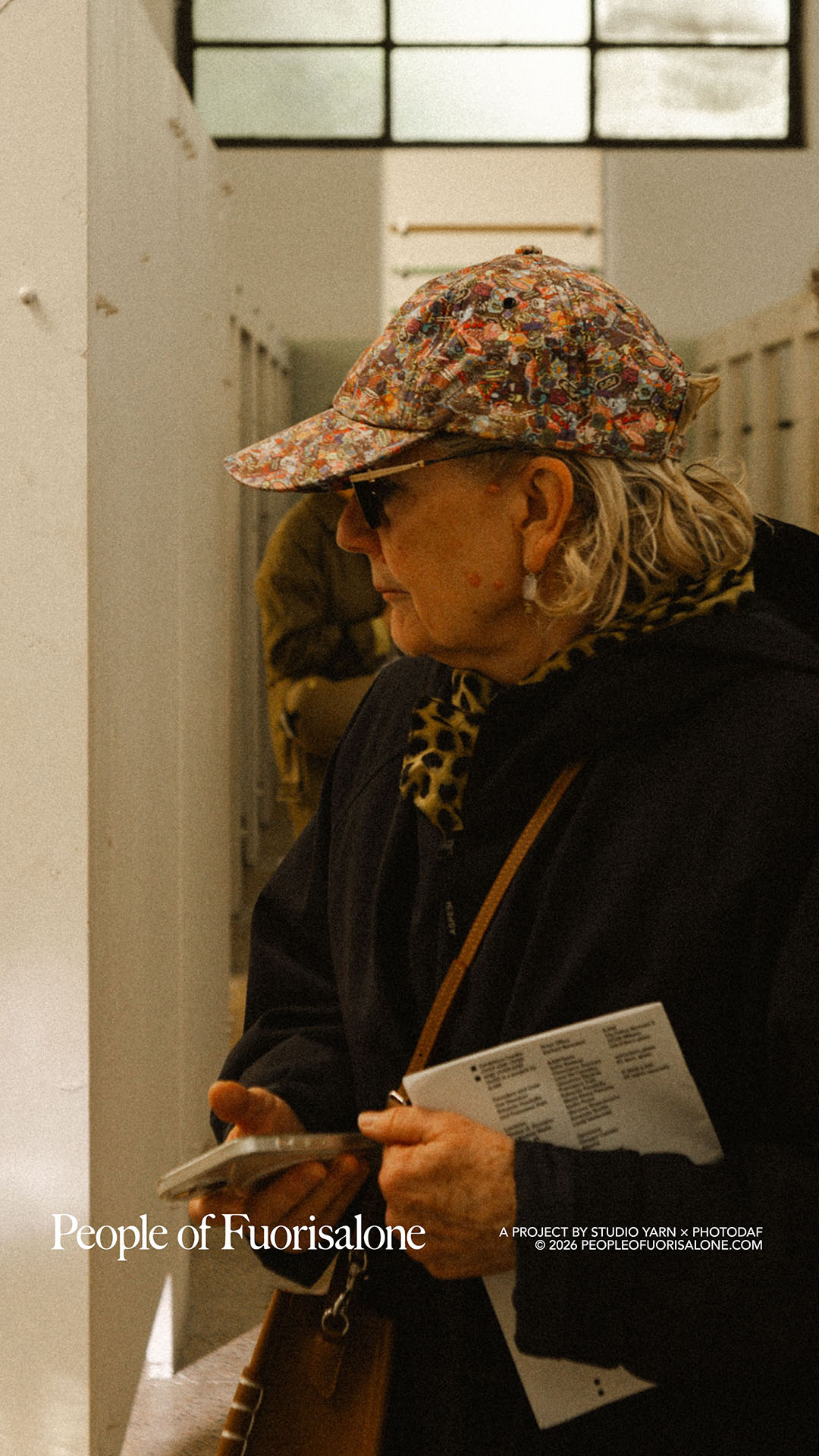
Through portraits and short interviews collected within the real flow of the city, the project builds a spontaneous and unmediated narrative. Each piece of content is created in context, without sets or artificial staging. The consistency of the format allows comparison, while differences between subjects shape the narrative.
Within this system, brands are no longer isolated elements, but exist through the people who move through them. Design shifts from what is displayed to what happens around it.
Activations.
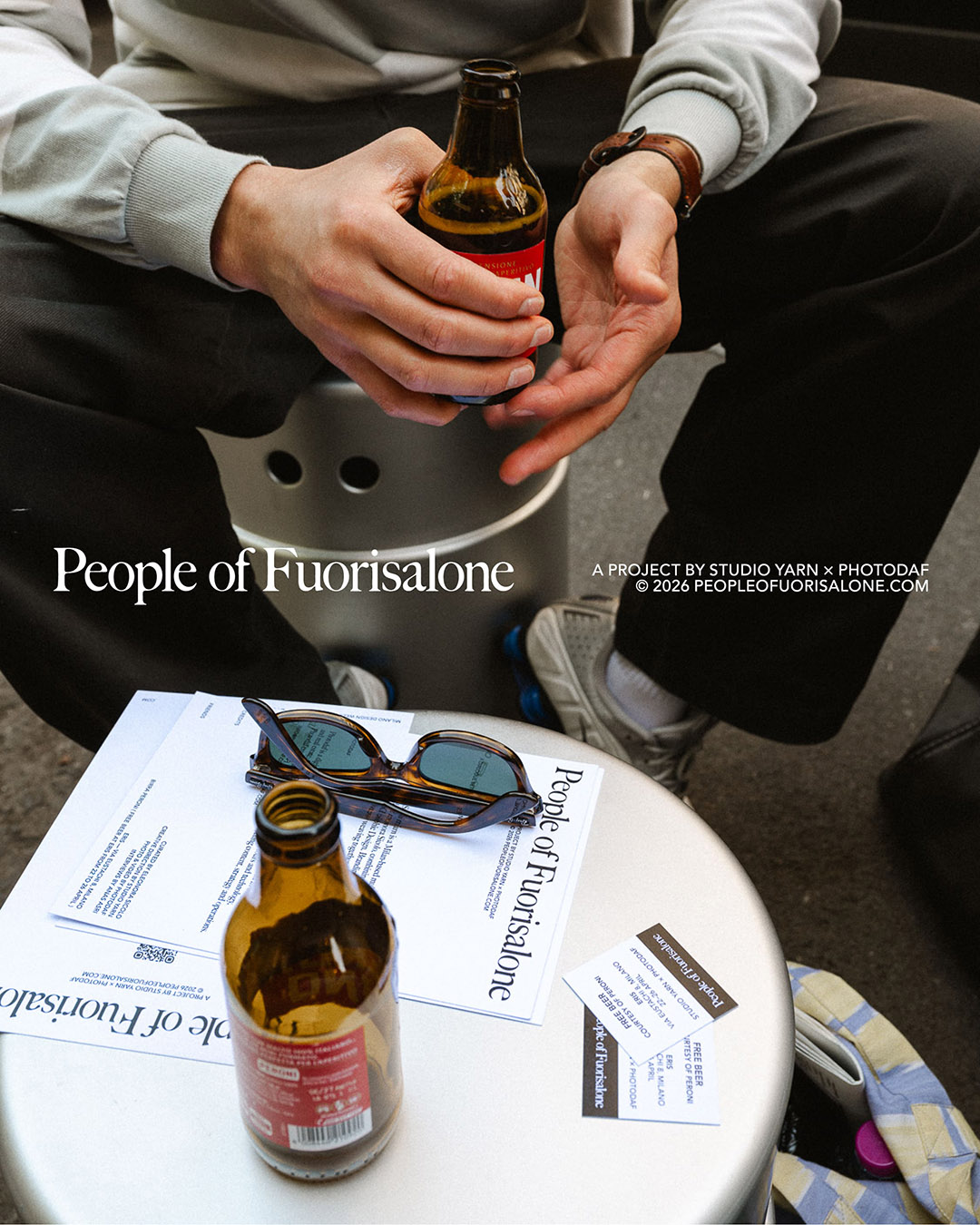
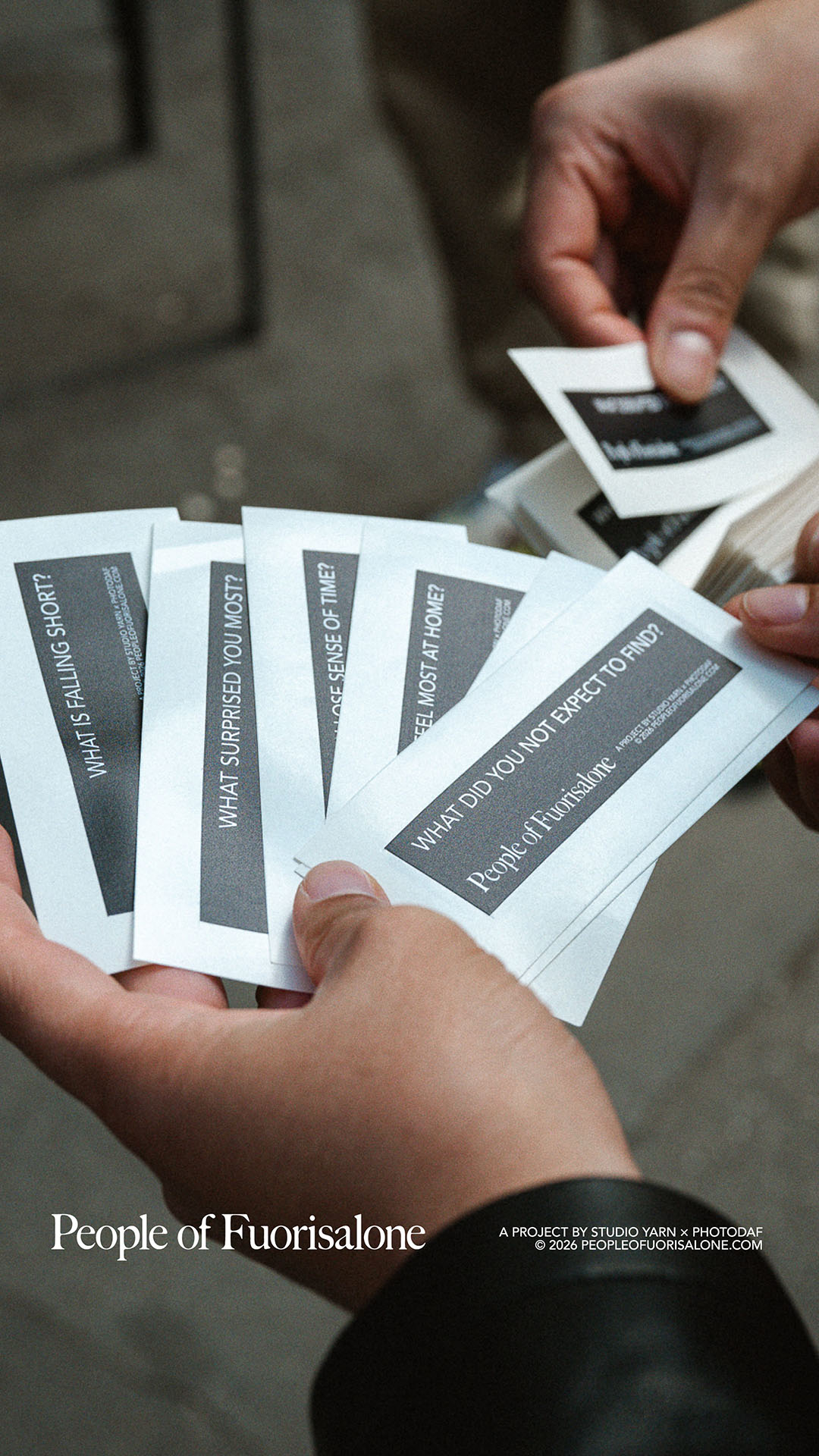
Activations extend the project into the physical space. Stickers introduce questions into the urban fabric, replicating the interview mechanism outside the editorial format. In parallel, to further develop this activation, Eris was involved in collaboration with Peroni, offering beers free of charge to create moments of encounter and enable interaction in a natural way.
Credits
Curated by Eleonora Sicolo
Creative Direction by Studio Yarn
Photo & Video by Photodaf
Interviews by Anas Asri
Friends
ERIS - Via Eustachi 8 Milano
Birra Peroni
© 2026 People of Fuorisalone
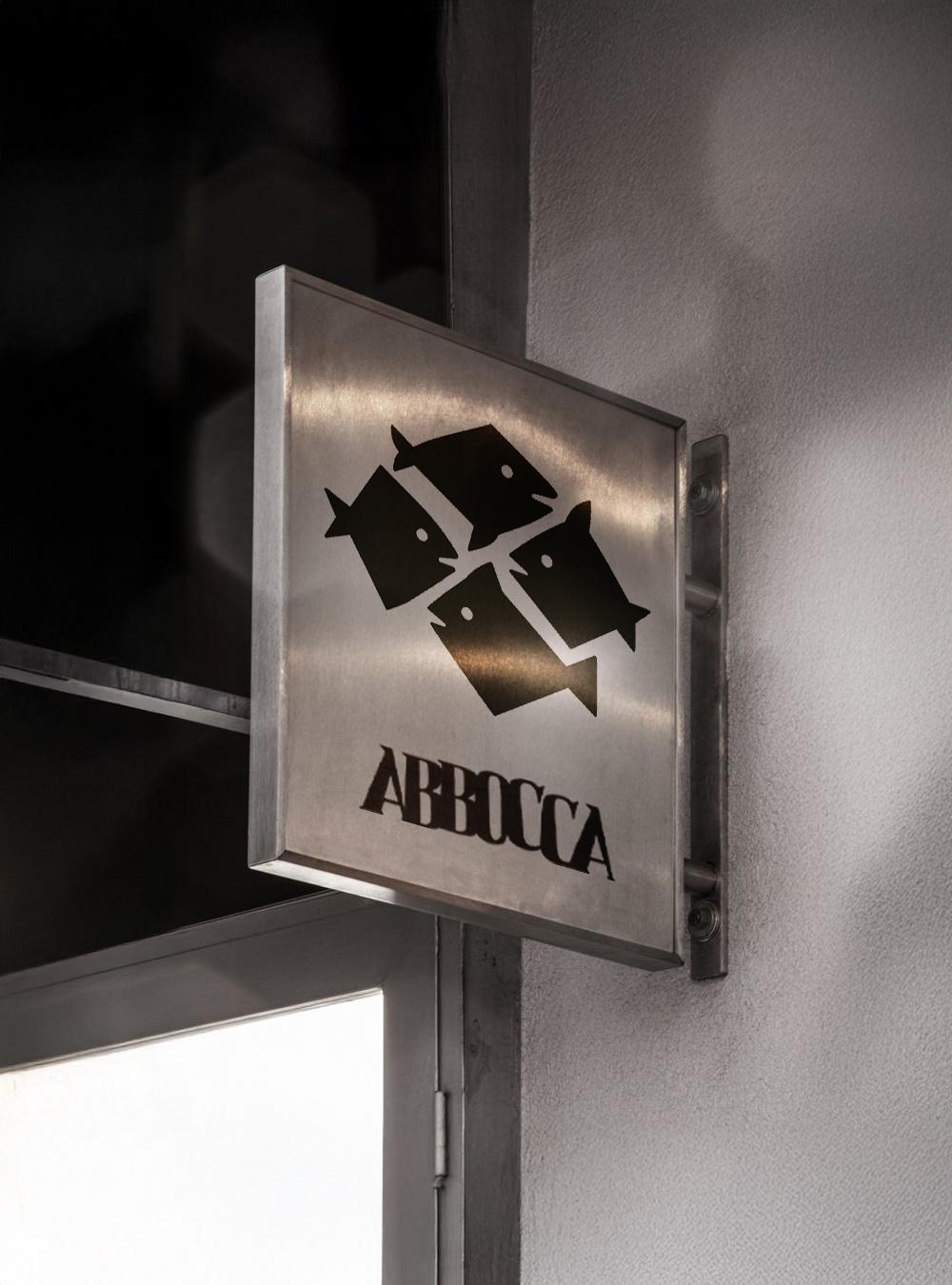
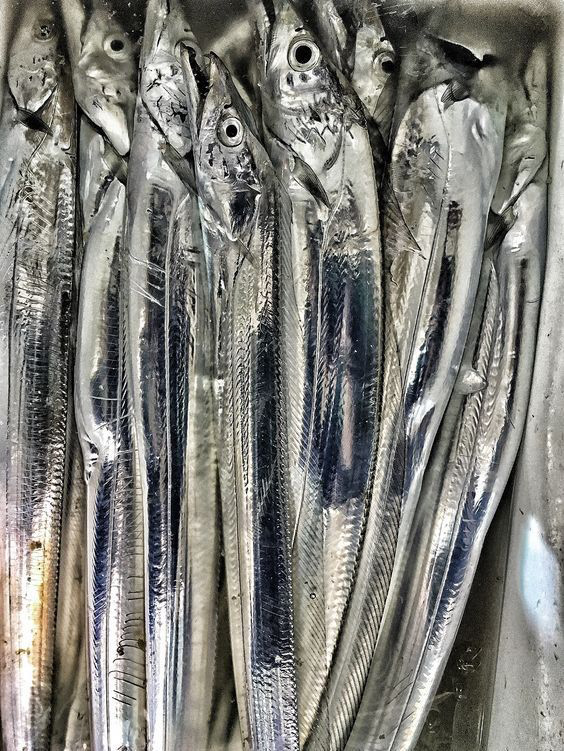
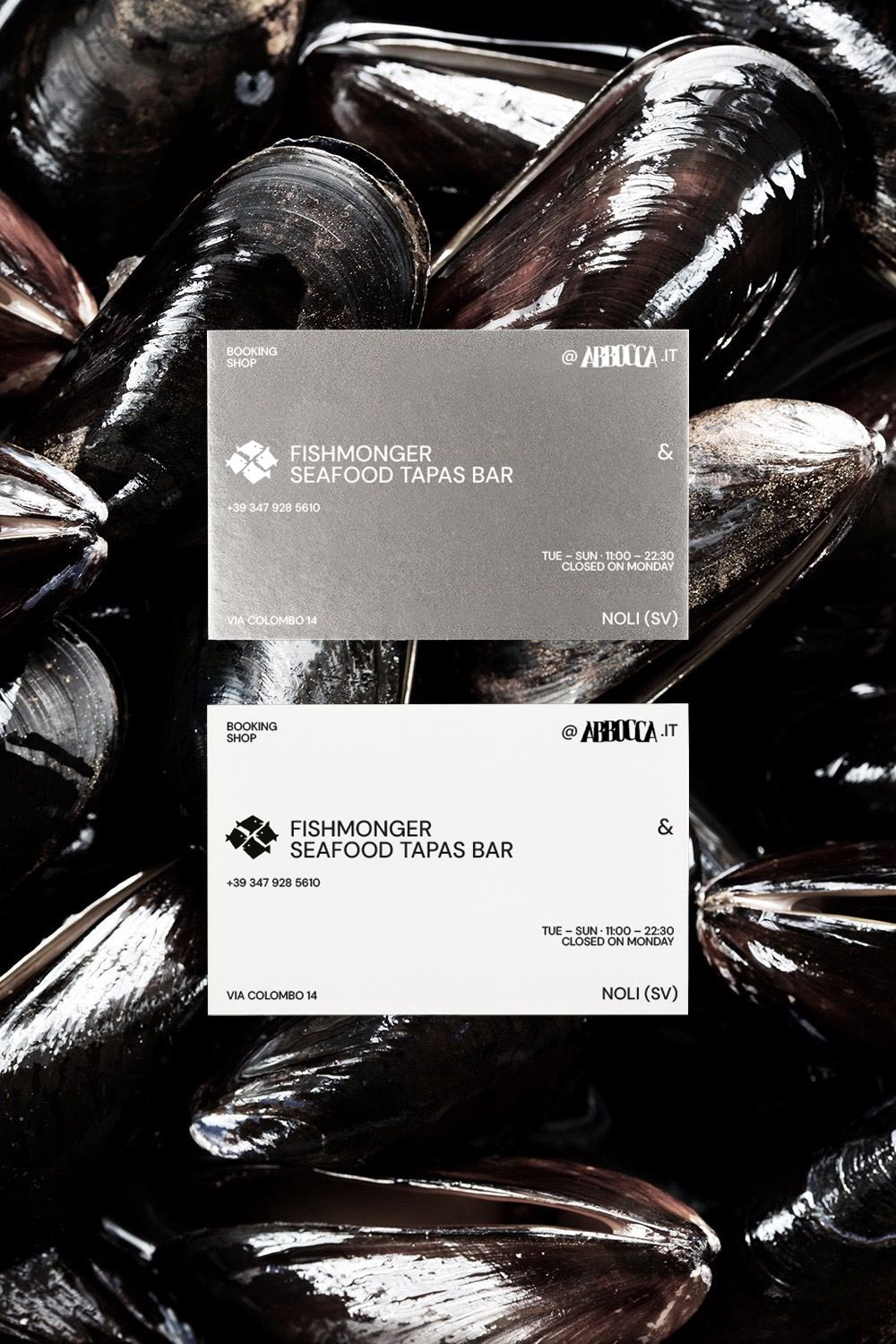
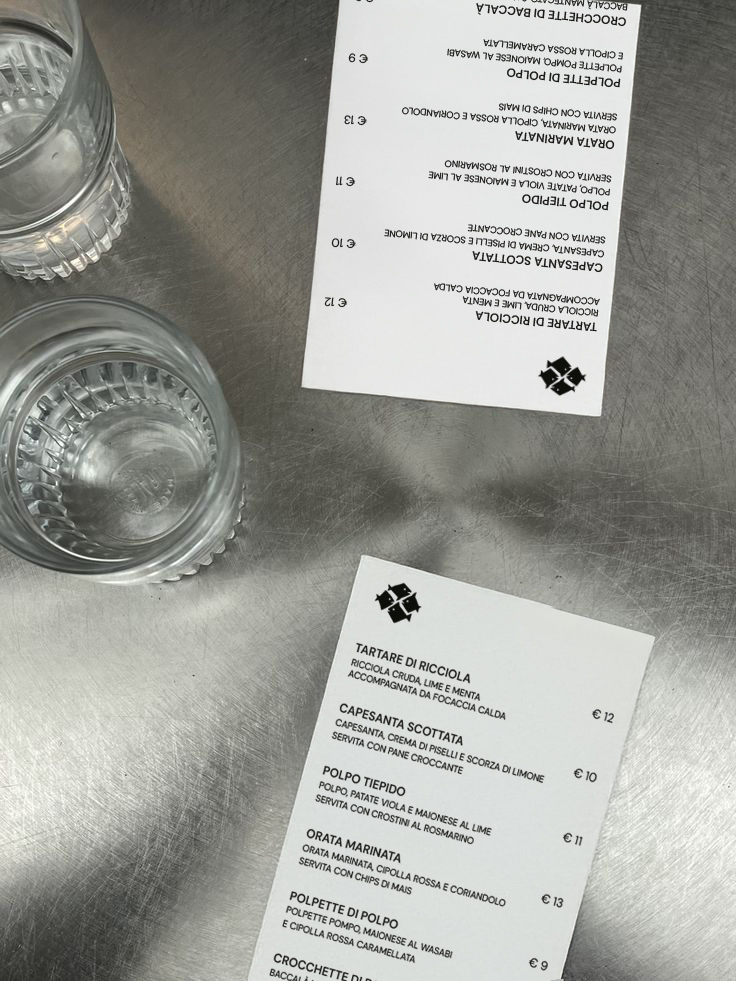
Abbocca is a Seafood Tapas Bar. Its visual identity is built around steel: a material that recalls the sleek, reflective skin of fish, cold yet luminous, able to capture the essential atmosphere of the place. Black and white are the only colours, used in sharp contrast and enhanced by clean lighting and minimalist cuts.
The logo depicts a small school of fish moving together, drawn with an instinctive stroke that avoids rigid geometry. Typography extends the visual language: the word Abbocca shifts and collides, with letters that press and clash as if mimicking the sudden dart of a fish taking the bait. A sense of dynamism that breaks the static nature of the written sign and translates the essence of the name into a visual gesture.
Every application remains consistent with the sober, metallic language of the space, allowing the true protagonist to remain the fish — displayed and served at the centre of the experience.
Outcome. A minimal and decisive identity that uses steel, light, and moving typography to express the freshness of the sea. Abbocca presents itself as a clean, direct space where the raw material emerges without superstructures.
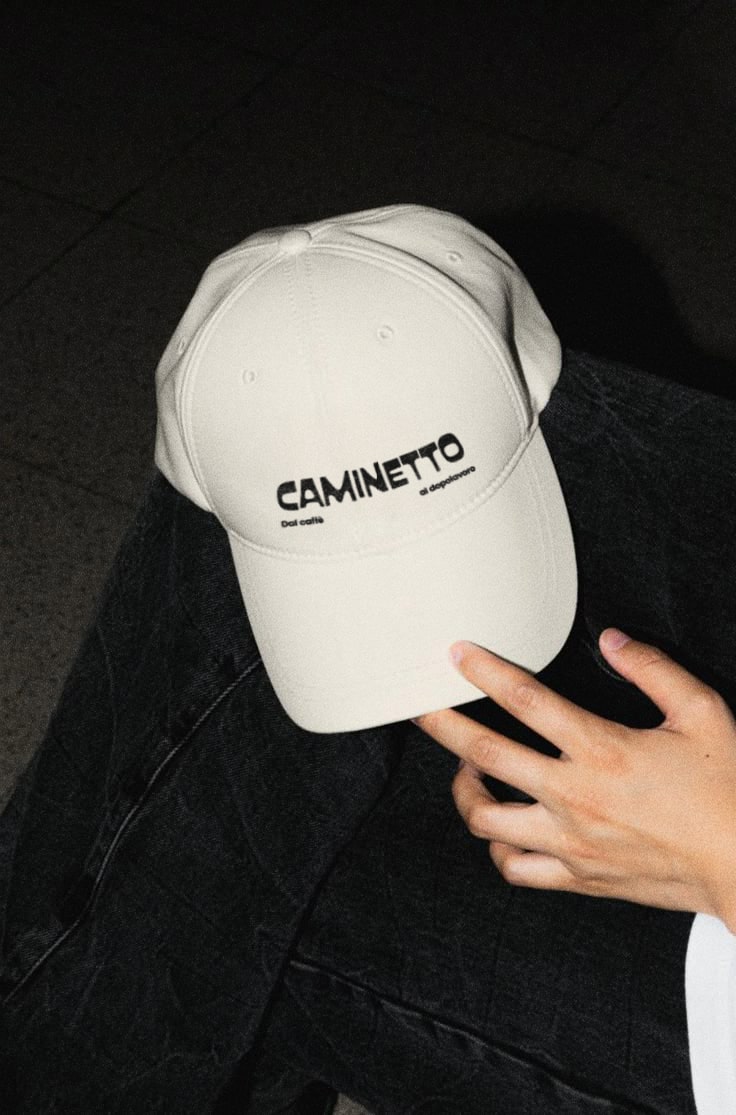
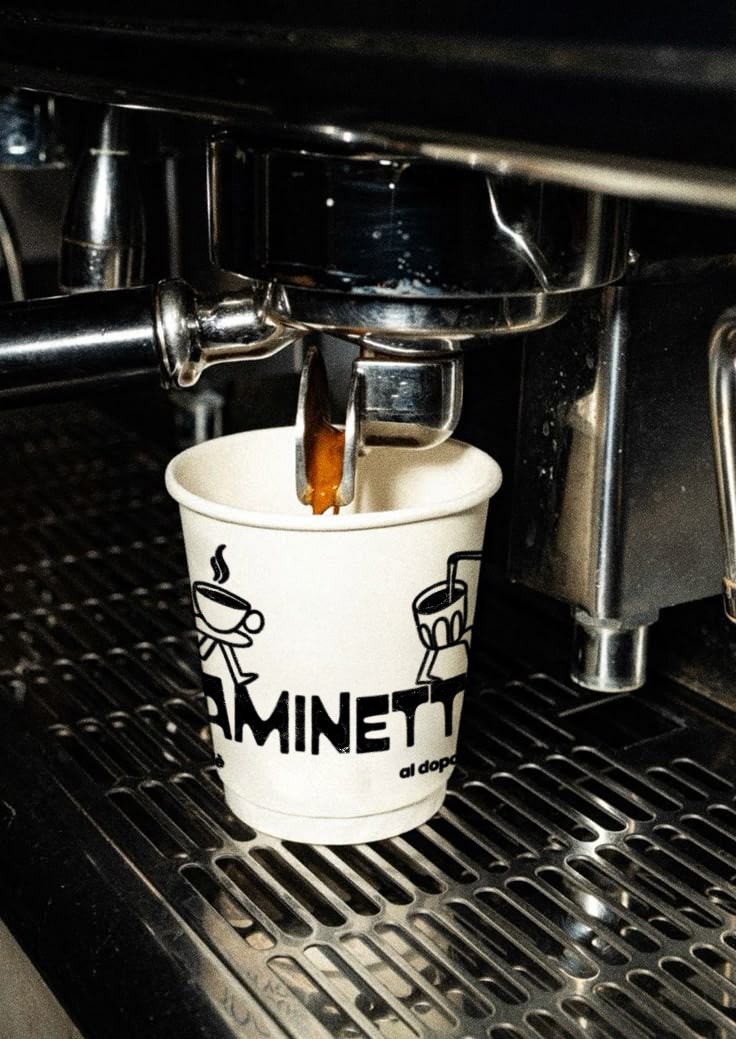
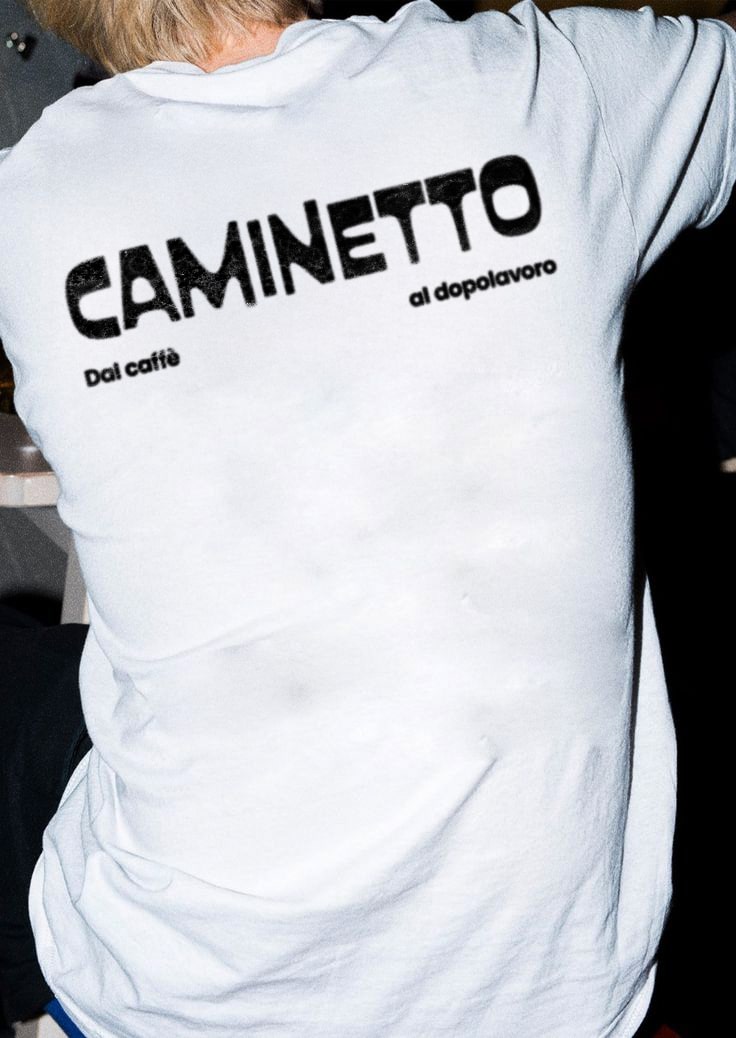
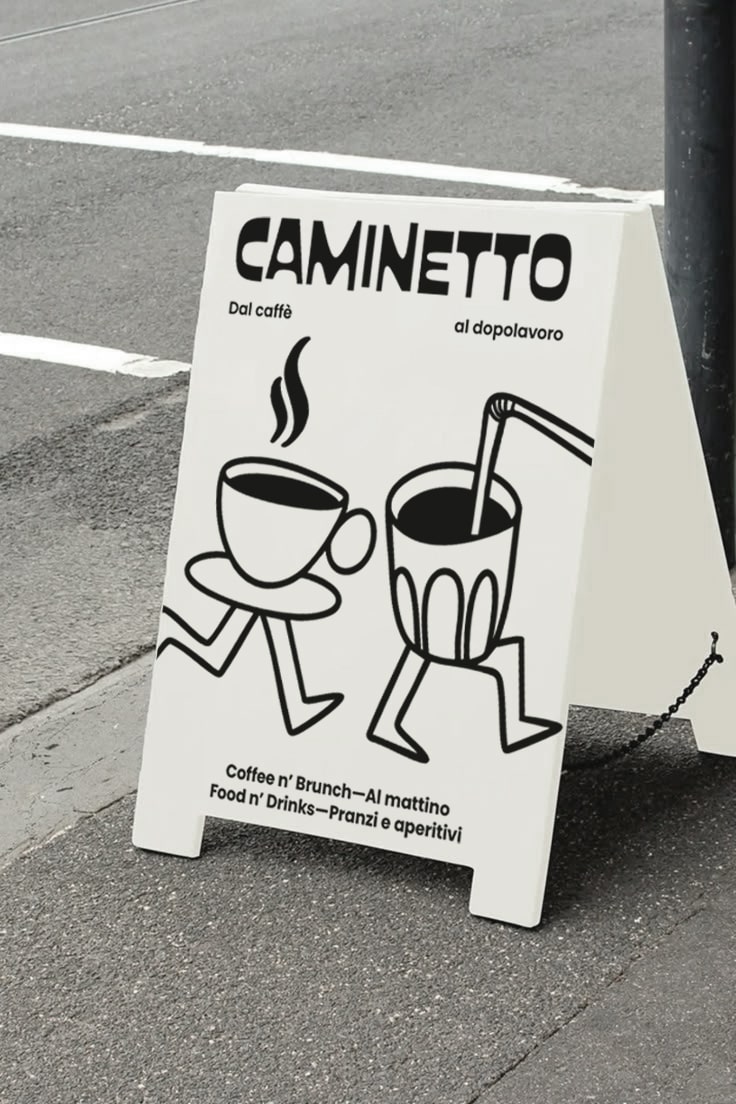

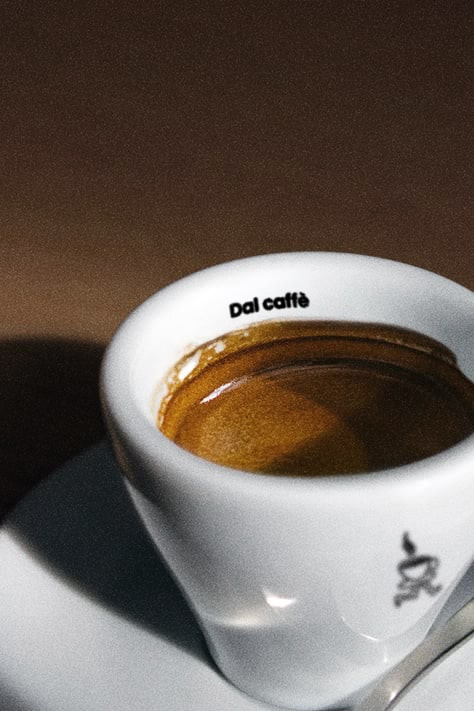

The Caminetto project was developed with the goal of creating a visual identity that conveys the venue’s versatility and welcoming spirit, positioning it as a reference point for different moments of the day.
The typography, soft and approachable, was chosen to evoke the warmth and conviviality that define the Caminetto experience. The payoff “Dal caffè al dopolavoro” (“From coffee to after work”) plays with spacing between words to express the idea that Caminetto is not just a café, but a meeting place that accompanies people from breakfast through to evening drinks.
At the heart of the identity is the mascot: a dynamic character with legs in motion, symbolising the fluid transition between the different experiences offered by the venue. The mascot adapts to context — transforming into a coffee cup, a glass of wine, a cocktail, or a croissant. This modularity allows the visual system to be easily applied across menus, merchandise, and social communication, while ensuring coherence and recognisability.
Outcome. A functional and distinctive identity that moves beyond the classic image of a simple café-bar, positioning Caminetto as a contemporary and welcoming space designed to accompany every moment of the day.
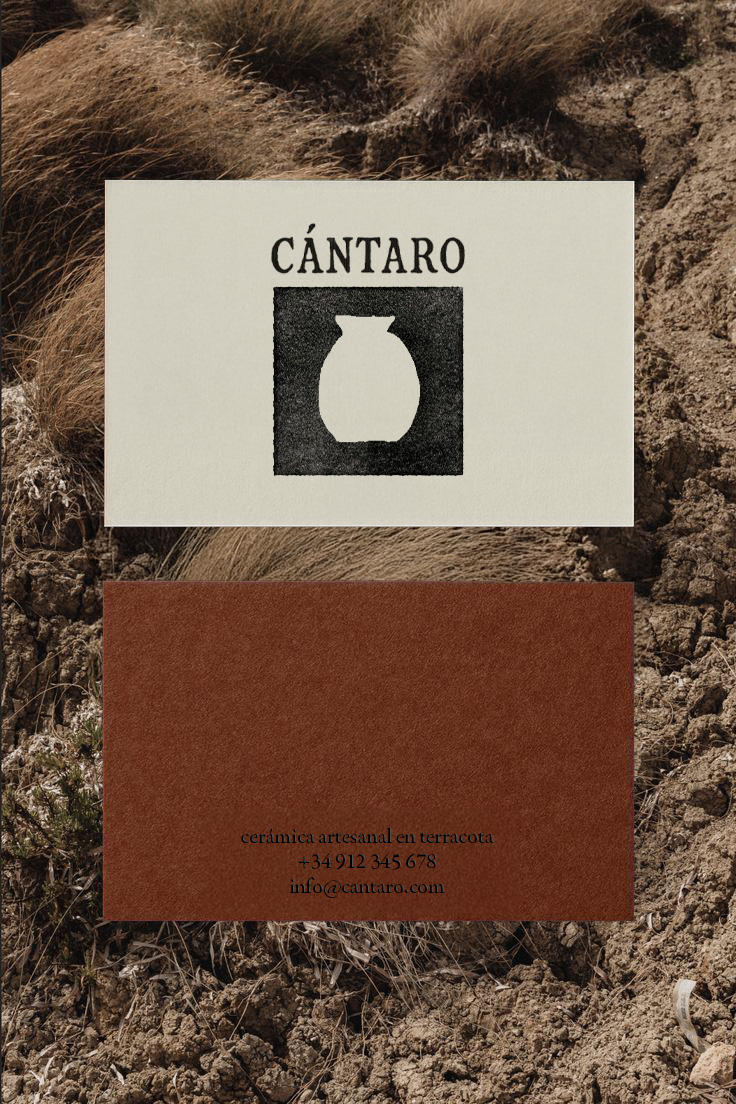
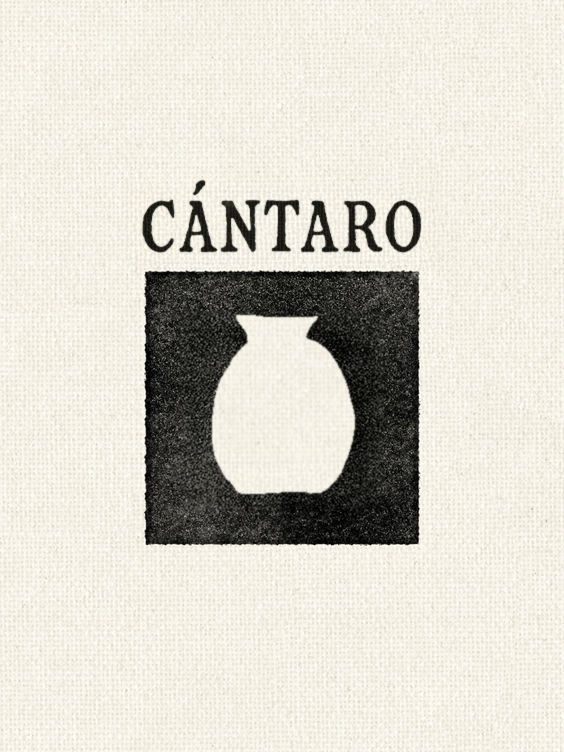
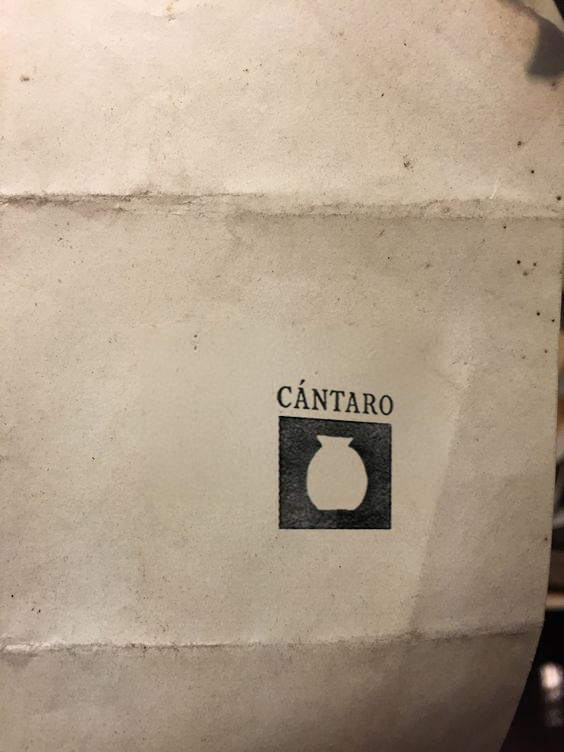
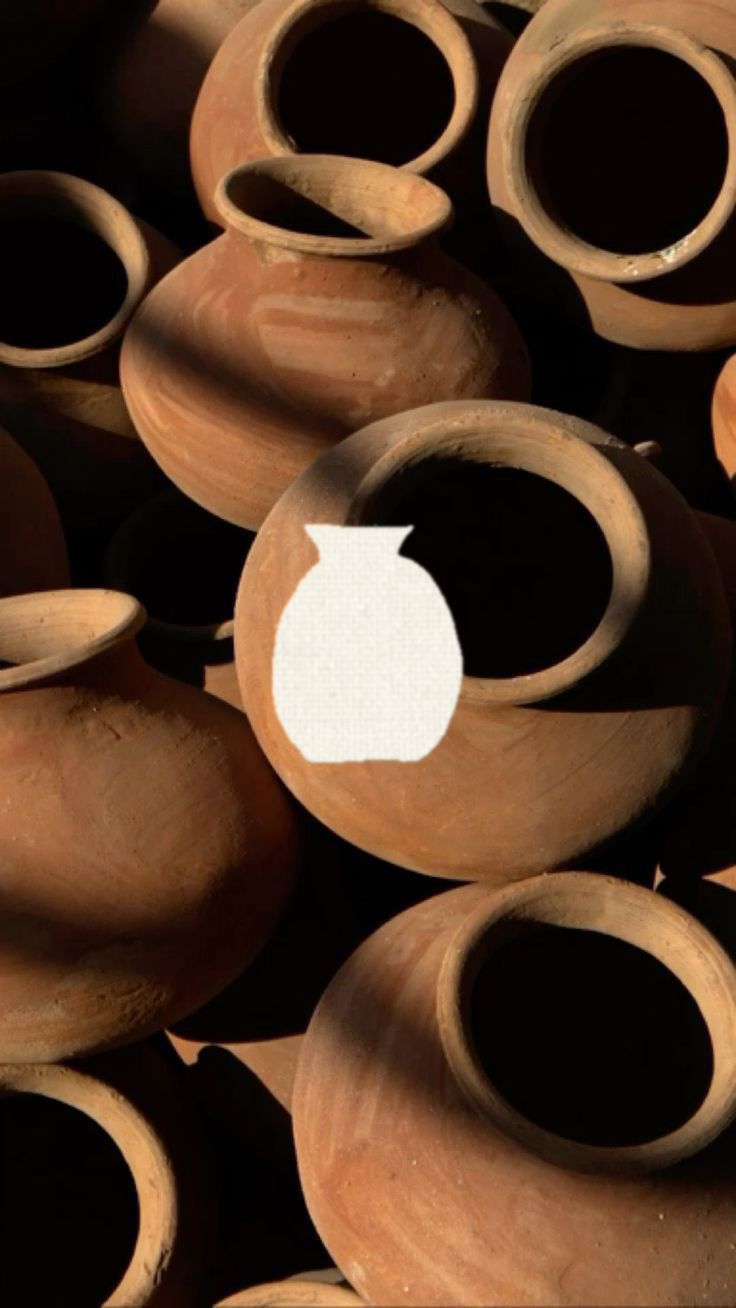
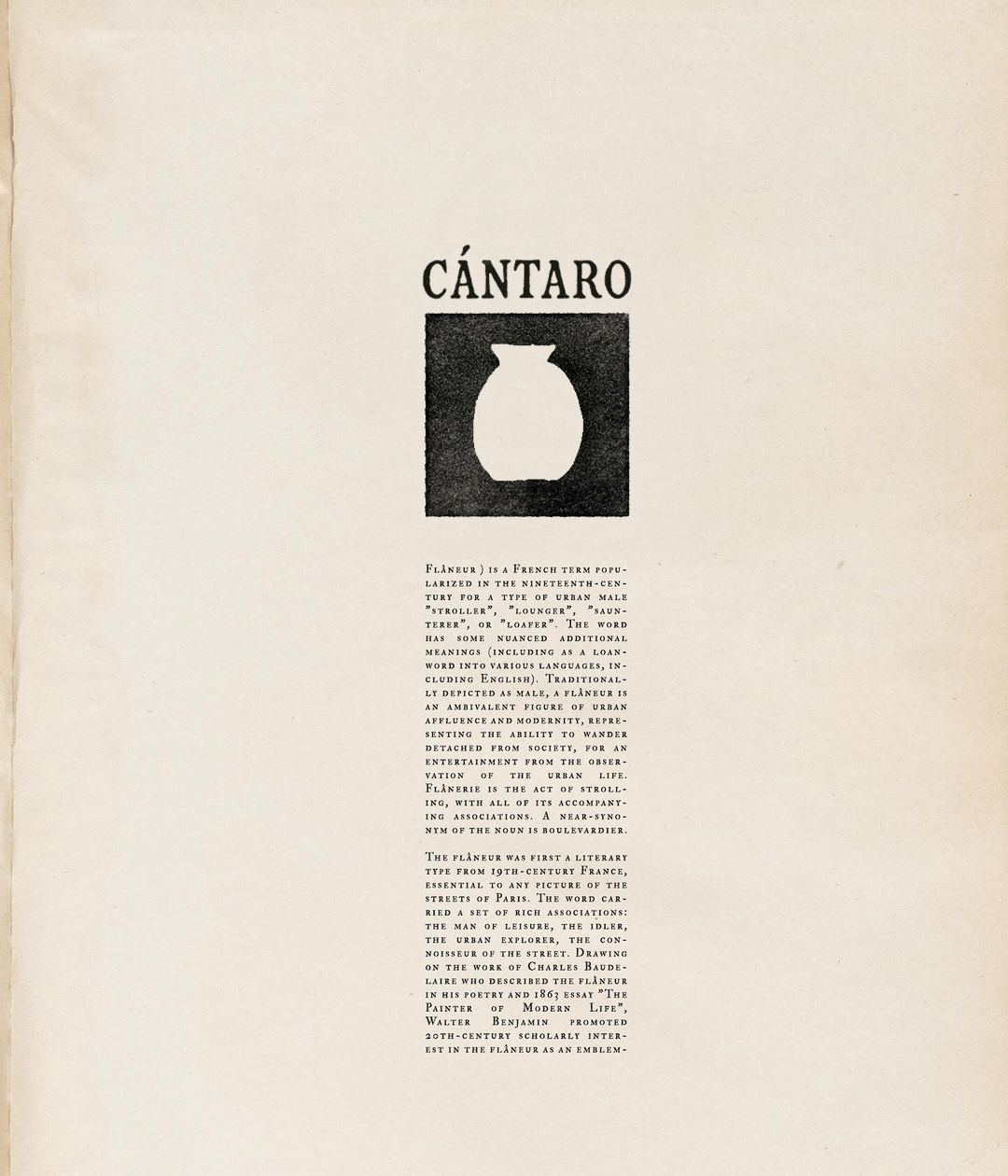
Cántaro is a project of artisanal terracotta ceramics rooted in essential forms and local materials. The identity draws from the cántaro, the traditional Mediterranean vessel once used to carry water and wine: an everyday object, archetypal and timeless, here transformed into a graphic symbol. Its silhouette is reduced to a negative mark, carved within a dark square, evoking an imprint — a trace that endures through time.
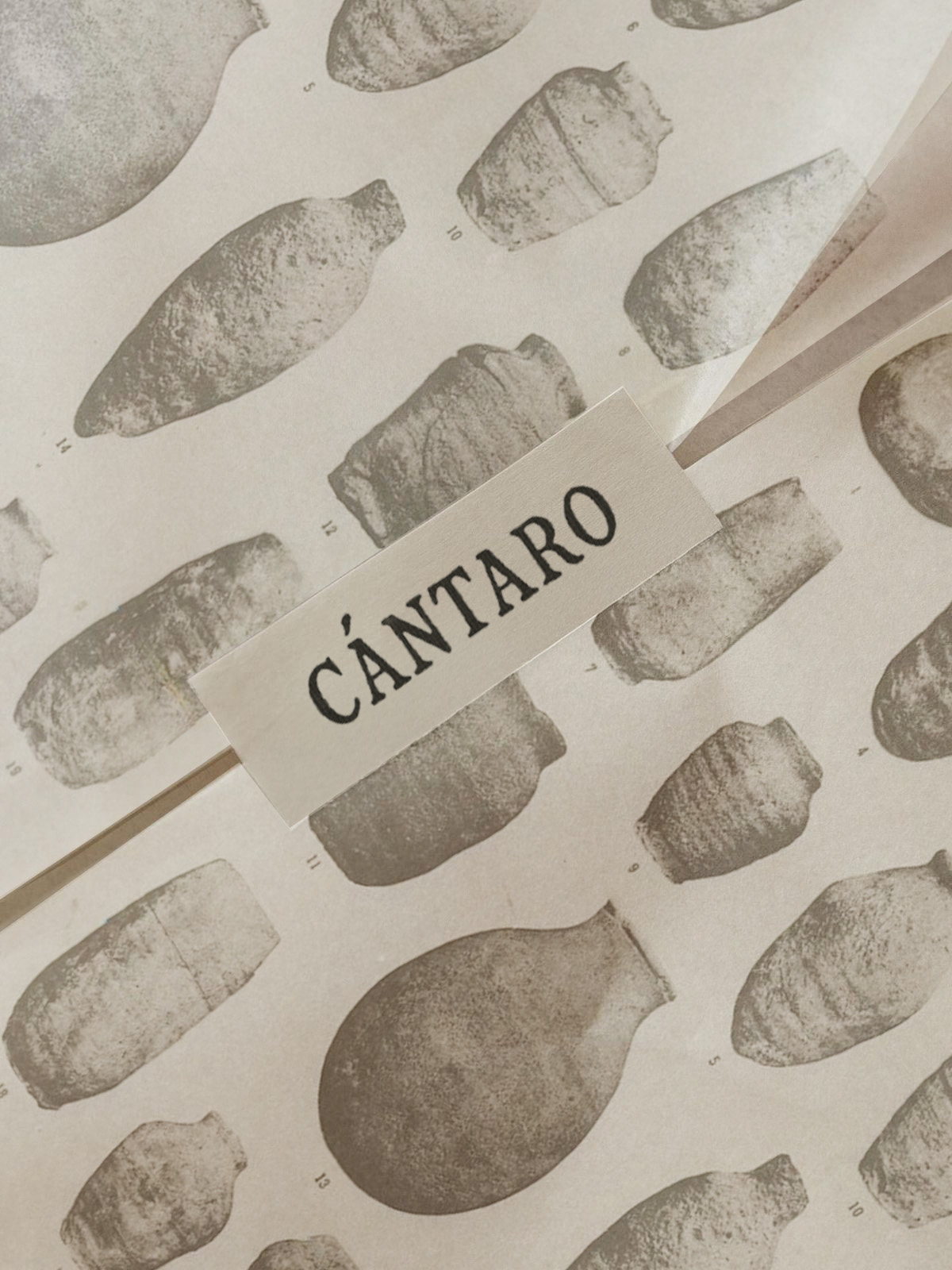
A clean serif typeface complements the logo with precision, while the chosen materials — porous papers, earthy textures, a warm and neutral palette — echo the physicality of terracotta and the landscape it originates from. The art direction works by subtraction, allowing the raw strength of matter and craft to emerge. From logo and packaging to printed matter and photography, every element contributes to a coherent, grounded visual language.
Outcome. A tactile and timeless identity that conveys authenticity and permanence. The cántaro becomes a narrative emblem and visual bridge between craftsmanship, Mediterranean tradition, and contemporary culture.
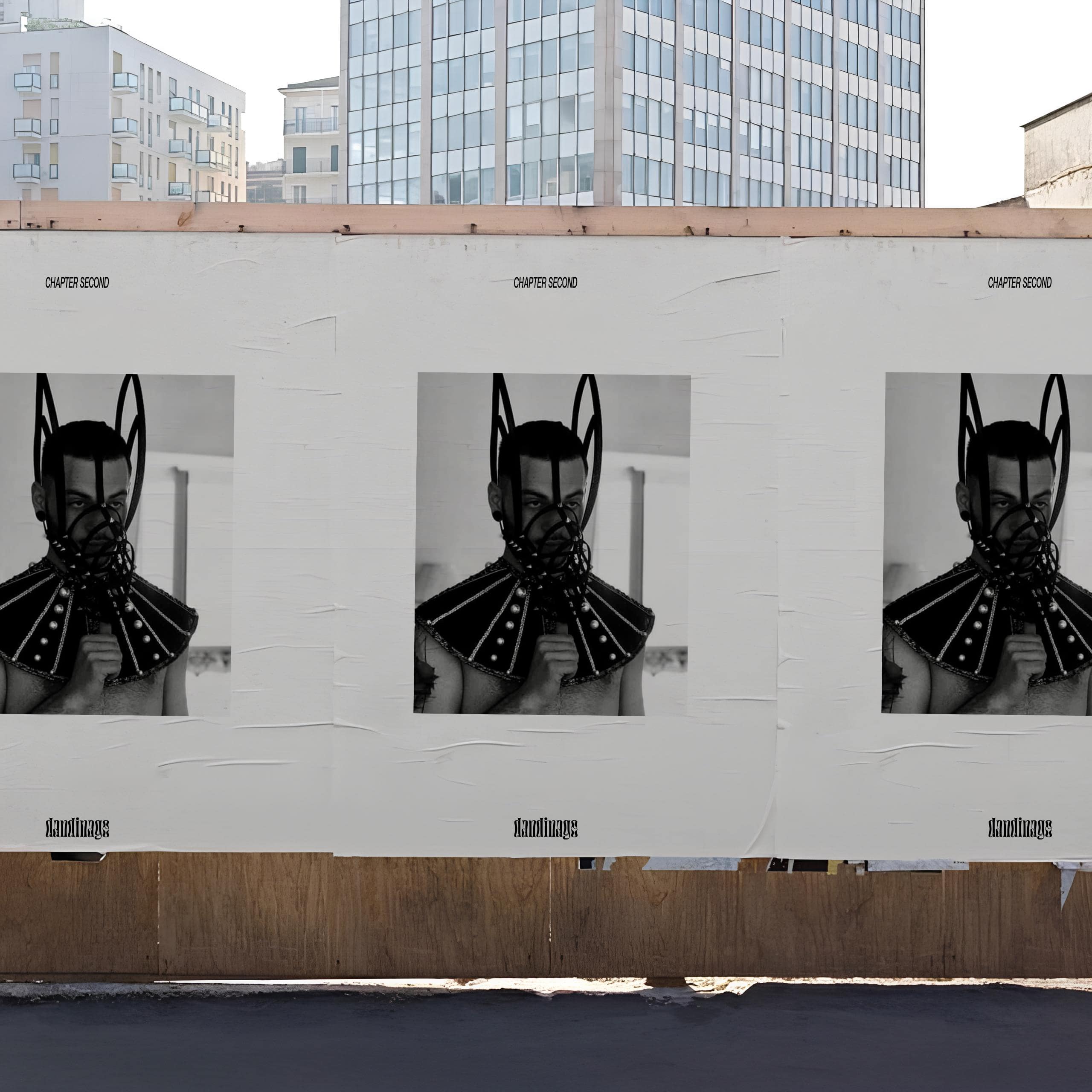
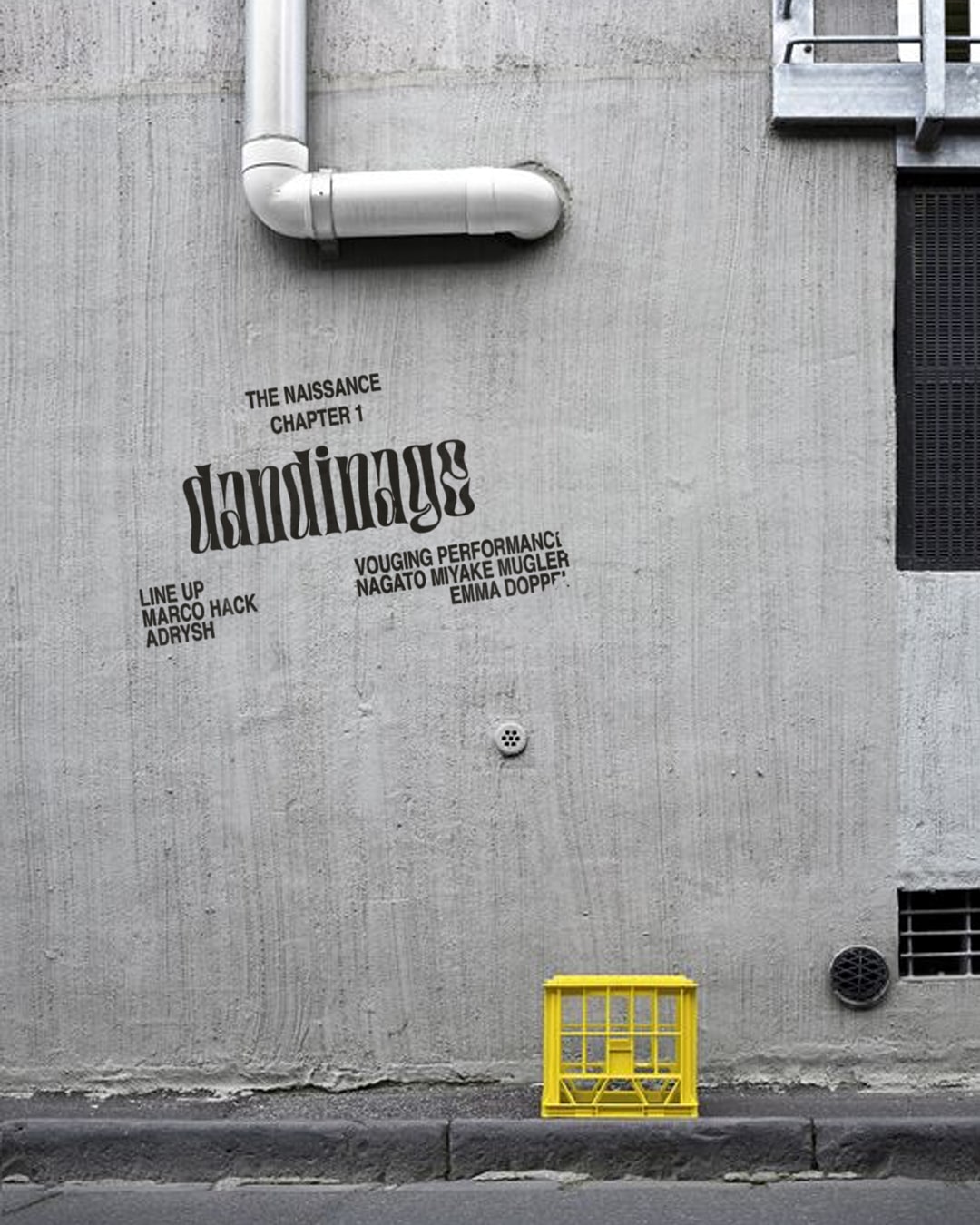
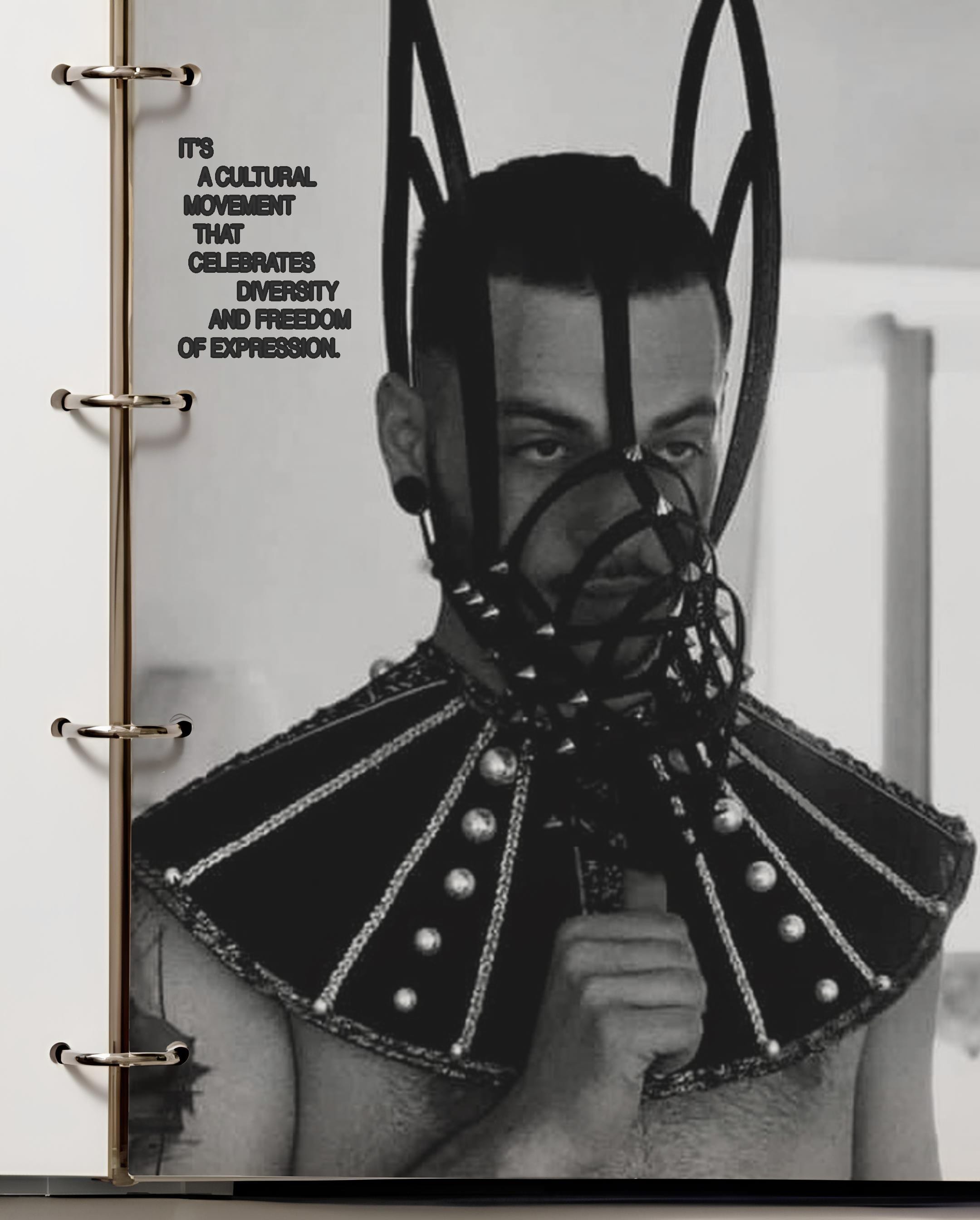
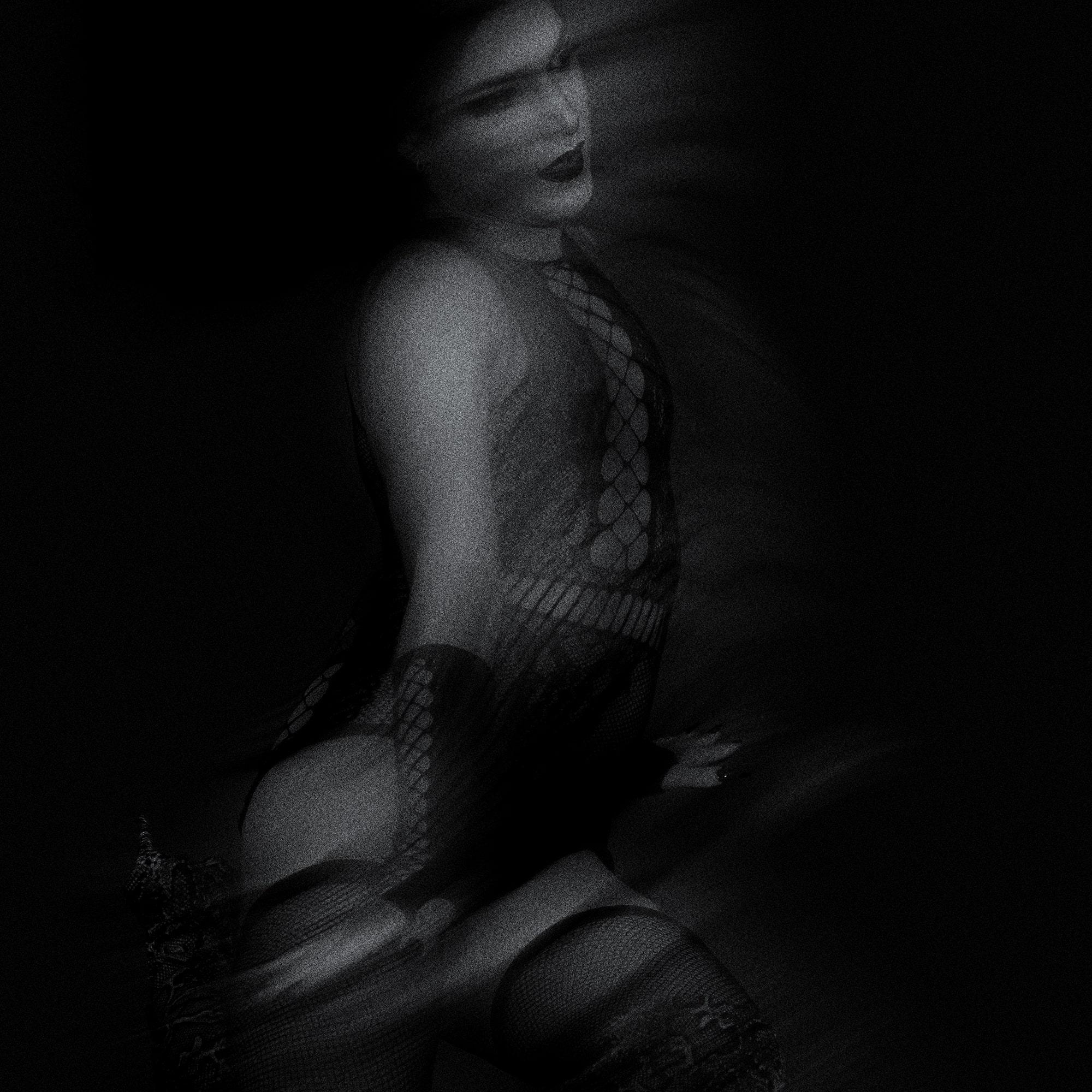
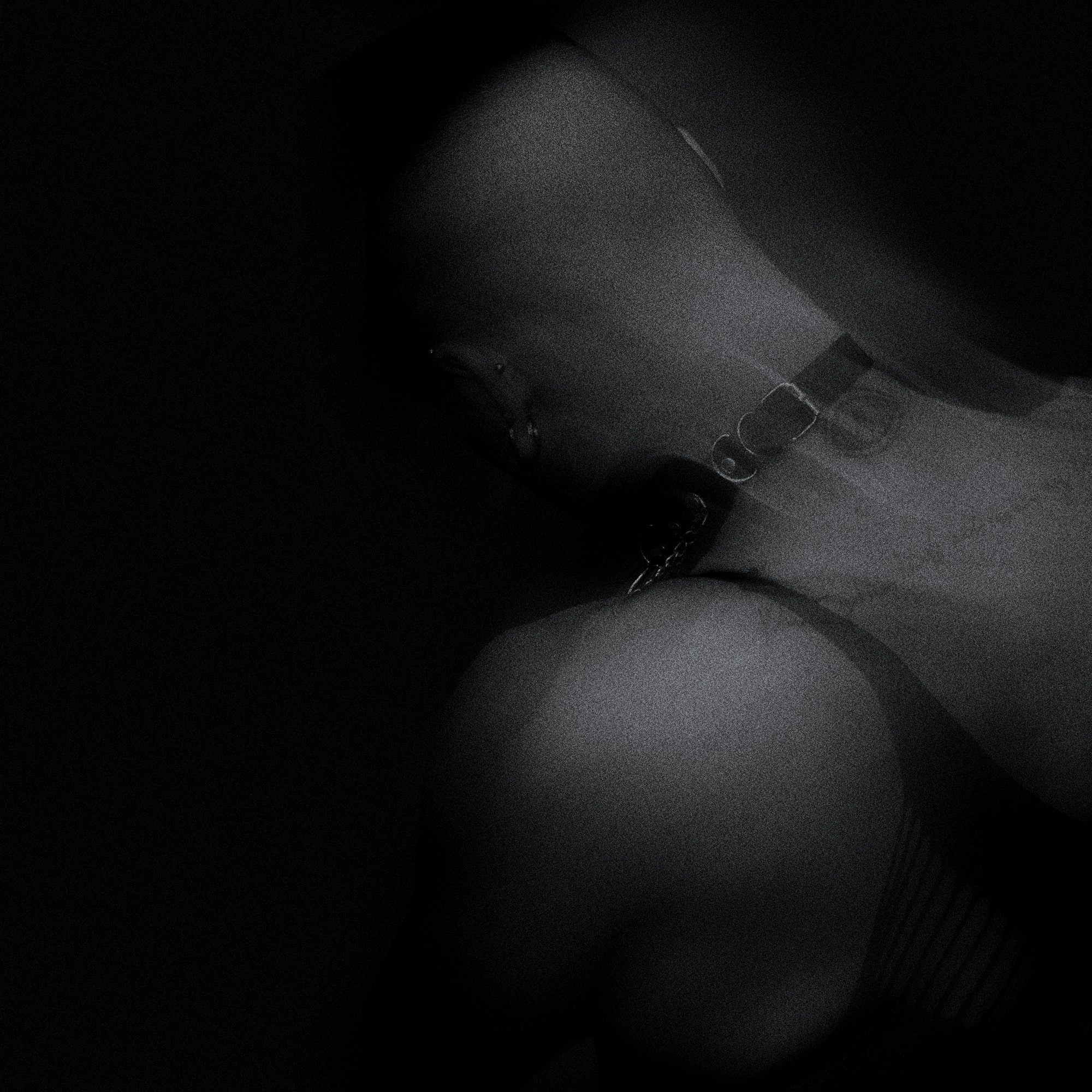
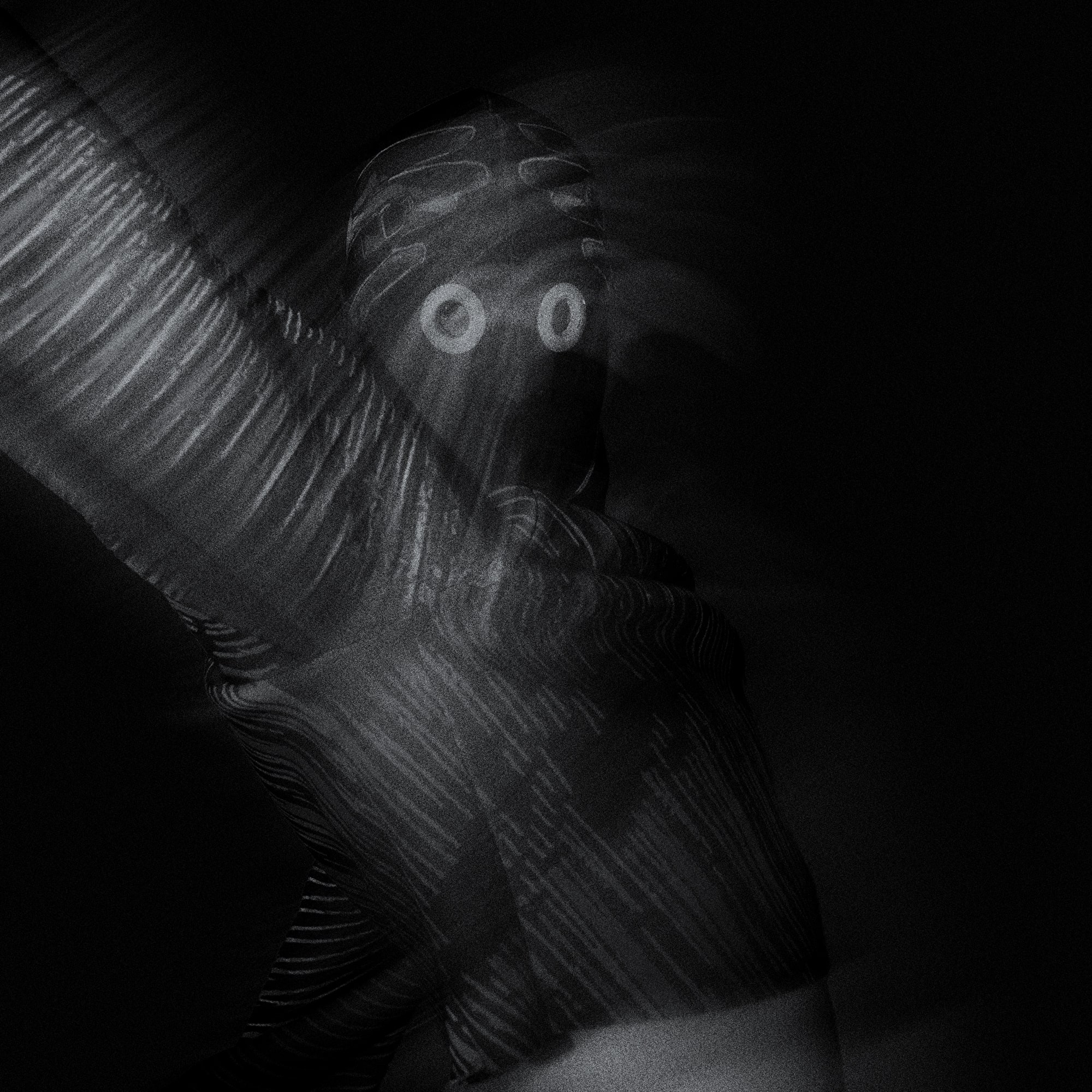
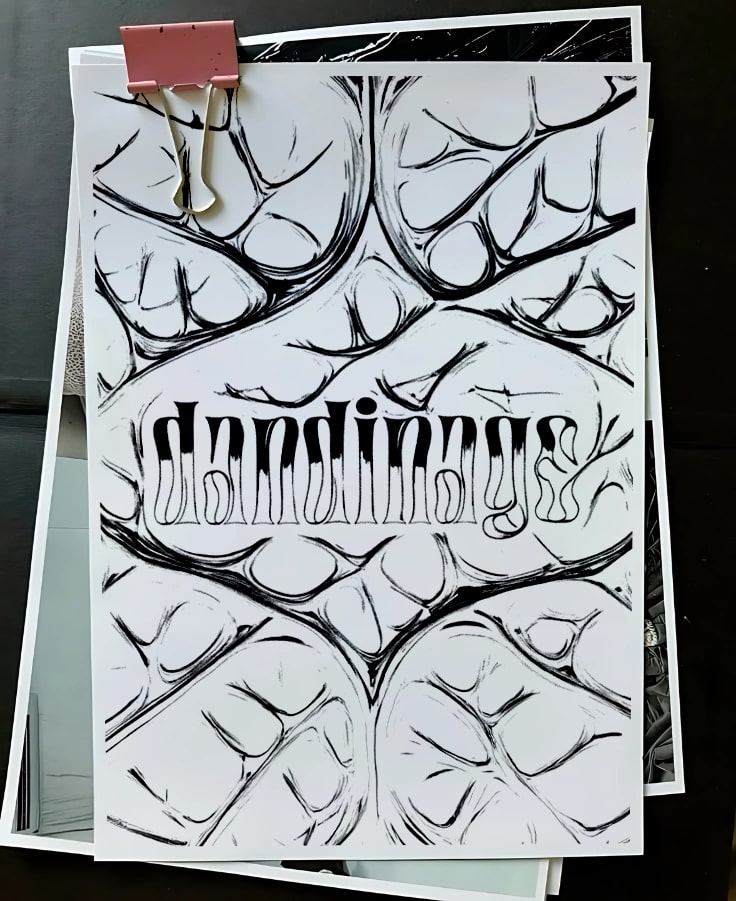
Dandinage is a project founded and curated by Eleonora Sicolo and Elisa Gigliotti, with the goal of redefining queer nightlife through an immersive, multidisciplinary experience. Born in Milan as a response to the challenges faced by the LGBTQIA+ community in historically queer spaces, Dandinage is an event that weaves together art, performance, and club culture to create a safe and inclusive environment. The name, inspired by the French word for “swaying,” symbolizes the fluidity and resilience of queer identity.
Concept and Artistic Direction
The project is structured in chapters, each featuring a unique visual and performative narrative. Every event is a thematic exploration that blends avant-garde aesthetics, references to the history of club culture, and a strong message of freedom and self-expression. For the second chapter, “CHAPTER SECOND,” we drew inspiration from the iconic Club Kids movement of 1980s/90s New York, combining elements of futurism and social critique.
The artistic direction focused on:
~ A lineup of queer performers spanning voguing, drag performances, interactivity, and sex expression performances.
~ Set design that transforms the space into an immersive, visionary environment.
~ Visual identity inspired by underground club aesthetics, combined with digital elements and glitch art.
Role and Contribution
We were responsible for:
~ Artistic direction and concept development.
~ Visual identity and communication.
~ Selection and coordination of performers and DJs.
~ User experience and curation of interactive spaces.
Dandinage is not just a party, but a cultural movement that celebrates diversity and freedom of expression. Through a powerful visual and performative language, the project aims to build a bridge between club culture, contemporary art, and queer activism.
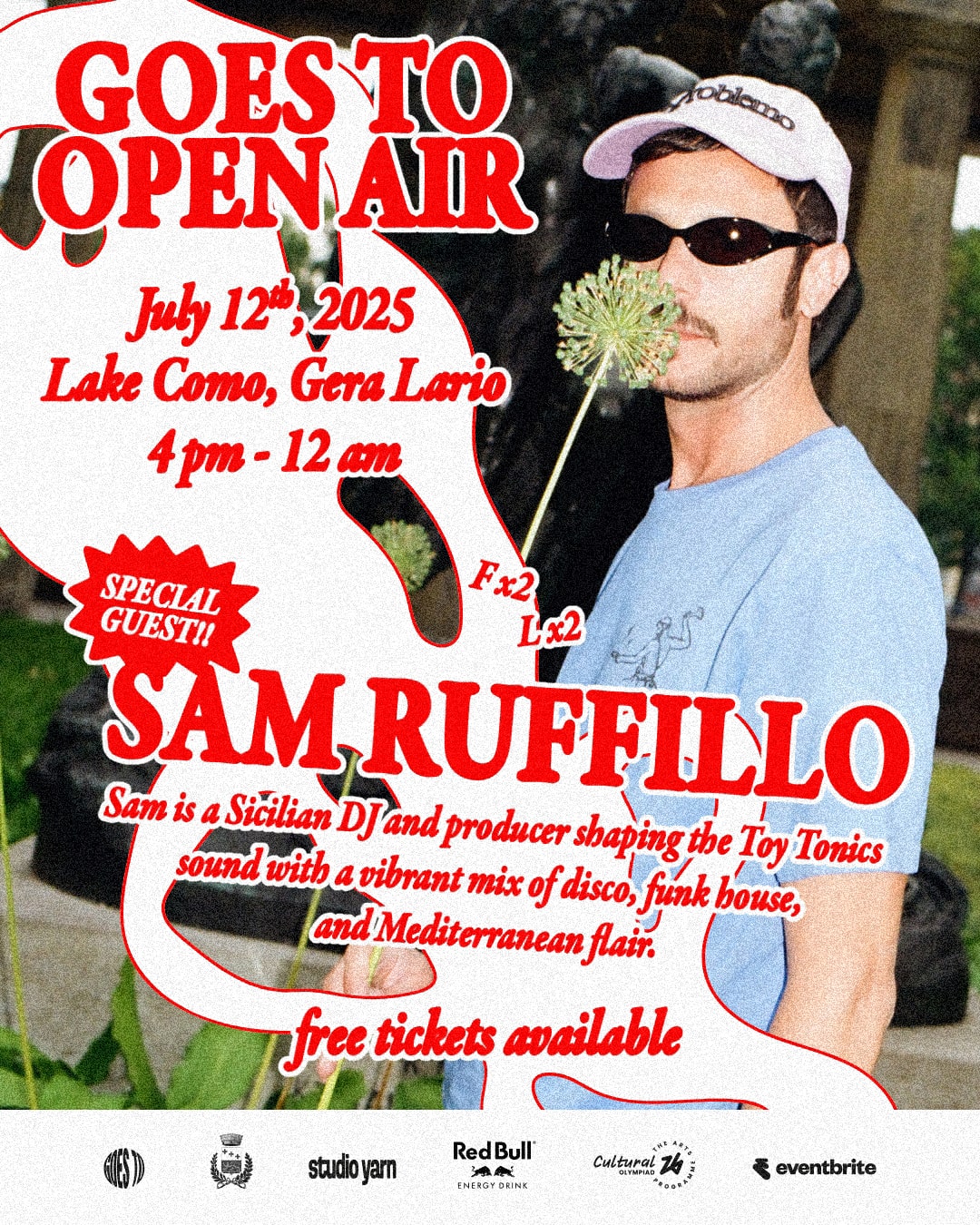
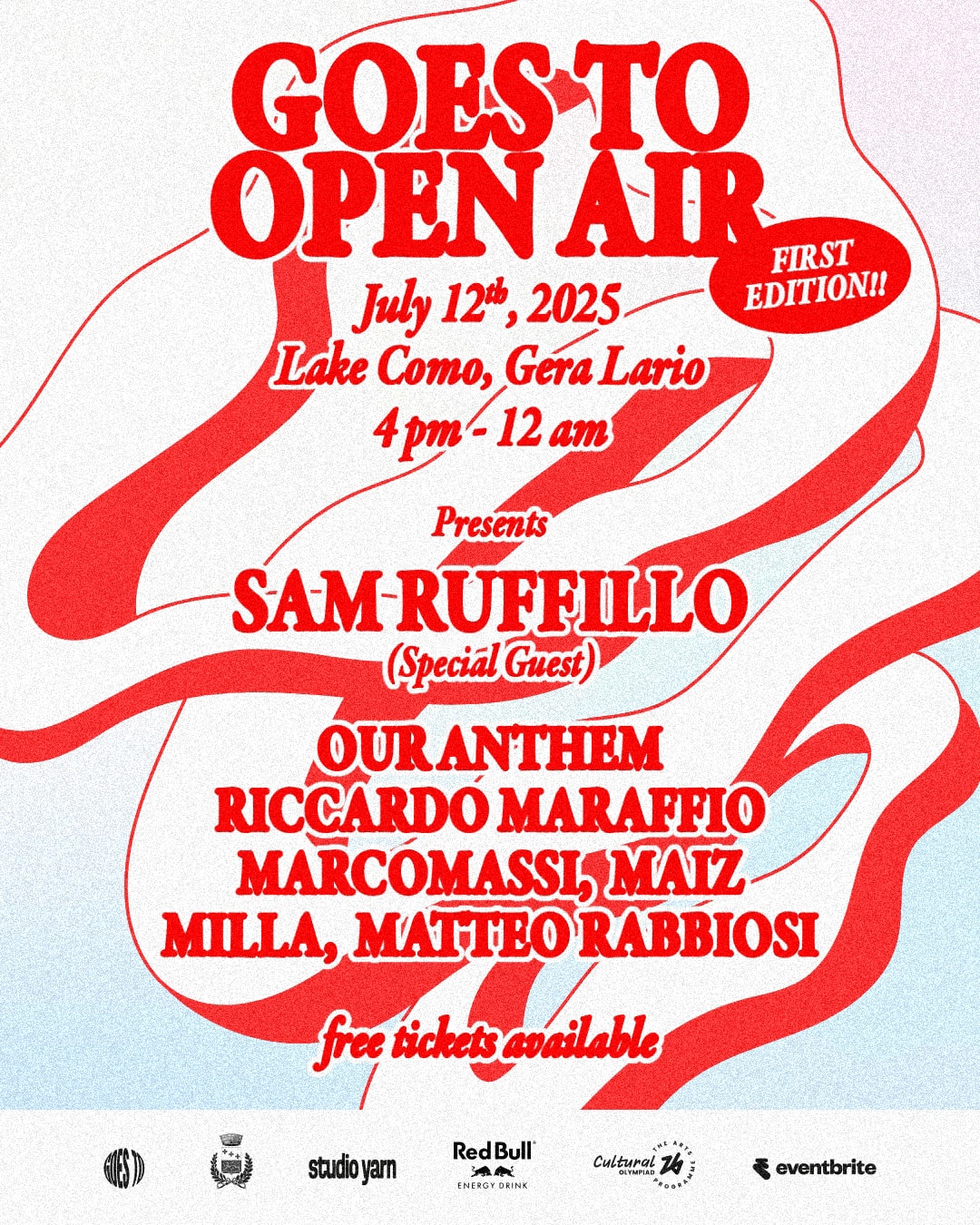
Goes To Open Air is an electronic music festival created with the ambition of bringing club culture to the shores of Lake Como. Its first edition took place in the summer of 2025 in Gera Lario, attracting more than 2,500 attendees and building a strong presence both locally and online, with over 800,000 impressions and more than 85,000 accounts reached. The project also involved partners such as Red Bull and Milano Cortina 2026.
We were responsible for the art direction and visual identity development of the festival.
The graphics were built around a central element that recurs throughout all visual applications: a fluid shape inspired by a wave, positioned somewhere between a sound wave and the waves of the lake. This graphic device became the defining thread of the identity, generating movement and dynamism across every application.
Our work also included coordinating the creative teams involved in the project: social media managers, content creators, videographers, photographers, set designers and fashion designers. An integrated creative direction process that ensured consistency across disciplines, from digital communication to on-site production.
Outcome. An energetic and distinctive visual identity, capable of expressing the festival across multiple dimensions, digital, live and local, contributing to the launch of a new independent event on Lake Como and supporting its growth through coordinated communication, strategic partnerships and strong community engagement.
Video. Giacomo Marinoni
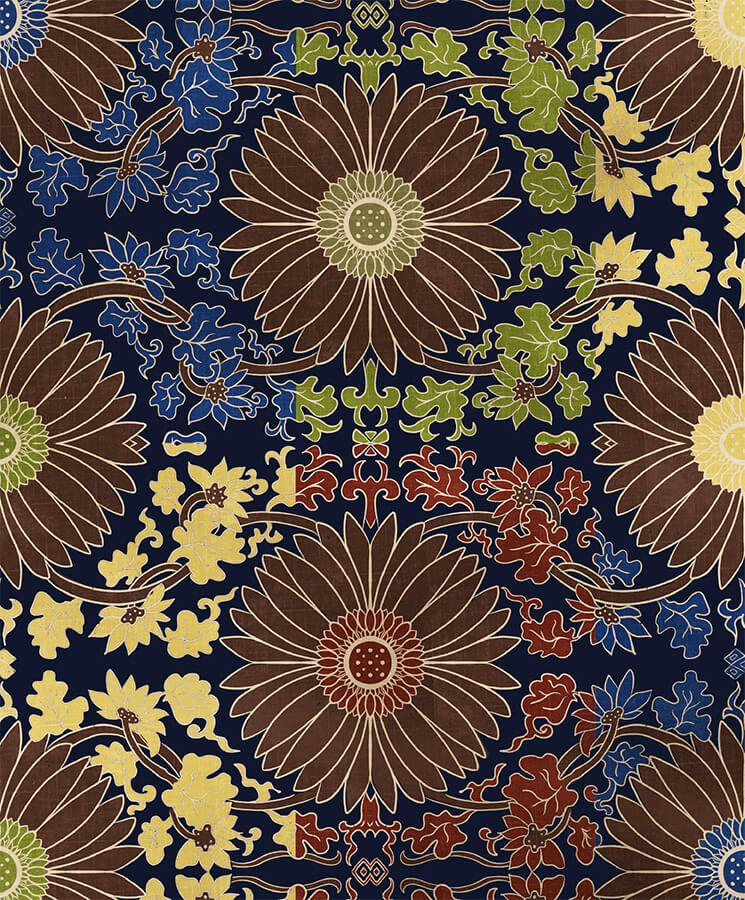
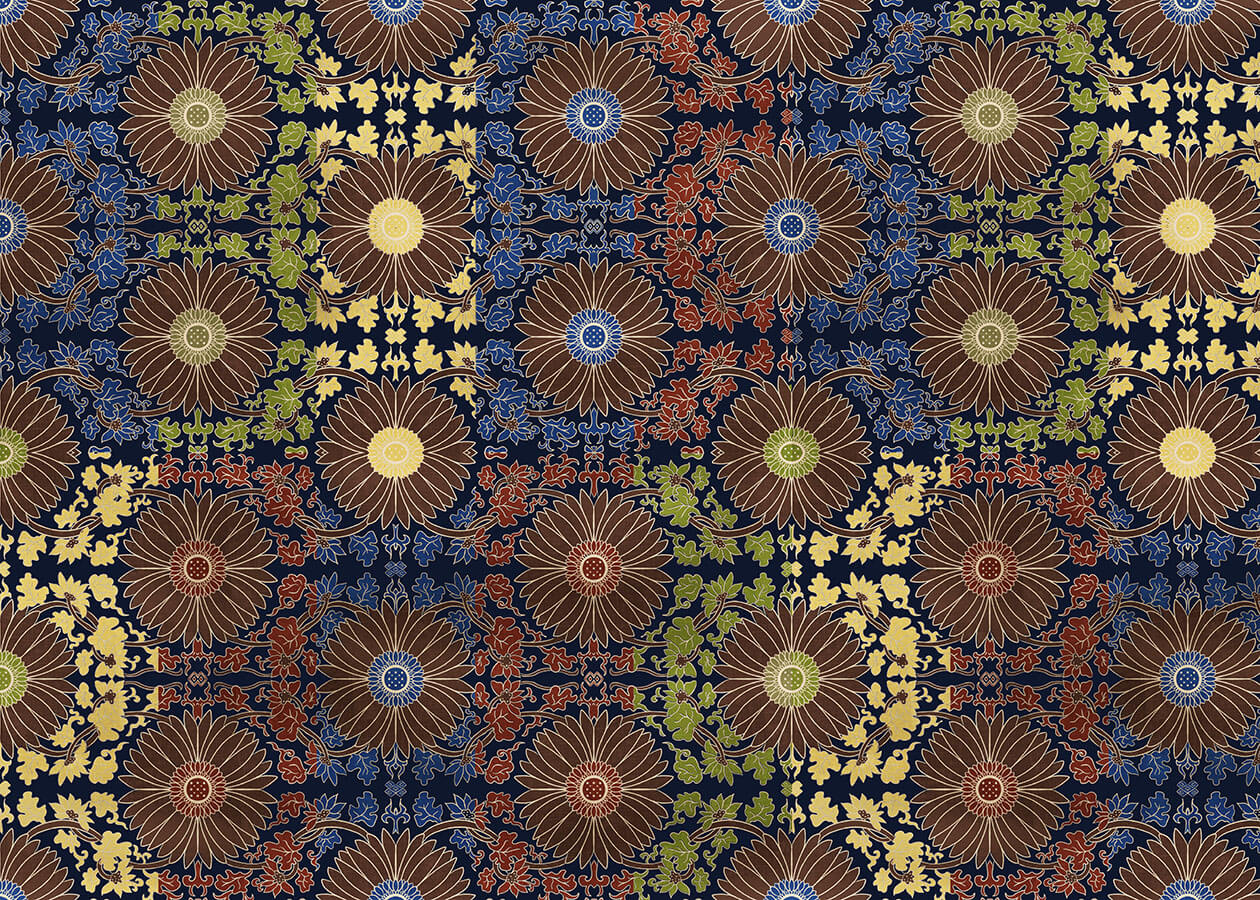
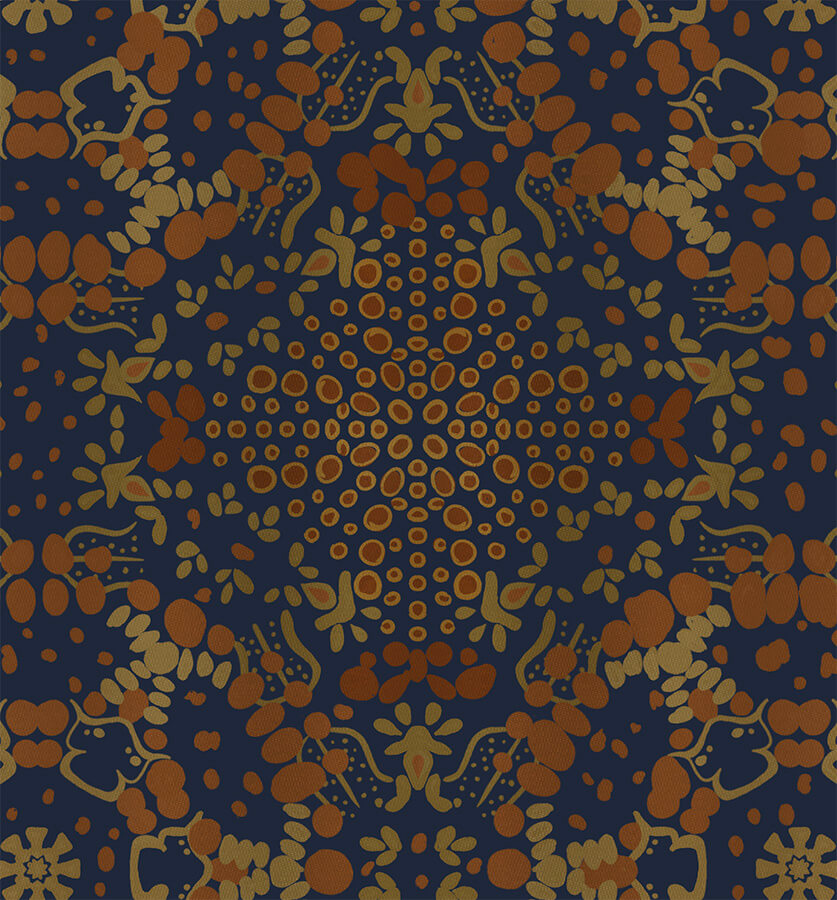
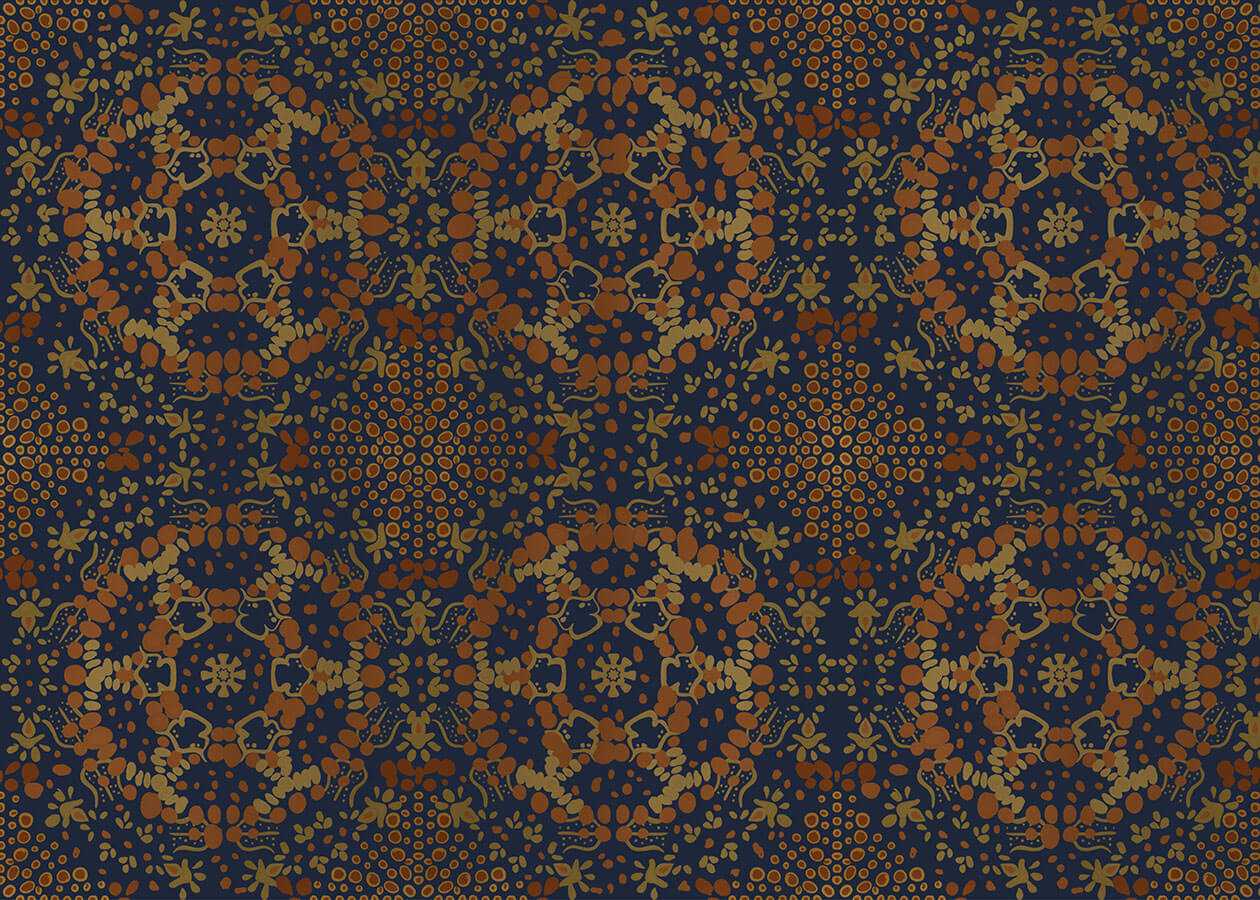
The patterns were developed as a personal project by Jamie Sharp and are entirely hand-drawn, inspired by ancient textiles. Every detail was carefully crafted to embrace imperfection and achieve an authentically artisanal aesthetic.
The second pattern, in particular, is inspired by a Russian fabric dating back to between 1700 and 1899, reinterpreted with a contemporary approach while staying faithful to its historical origin. At the core of the creative process was the intention to preserve a strong sense of handmade, turning imperfection into a distinctive visual language.
Outcome. Patterns that merge historical research with artisanal sensitivity, translating the continuity between tradition and contemporary expression into a visual form.

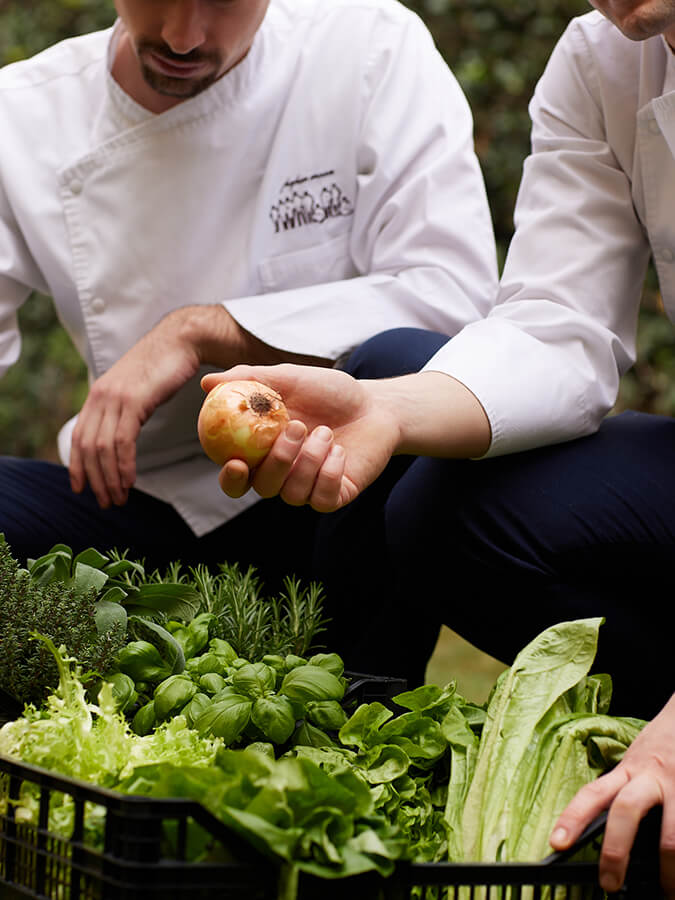
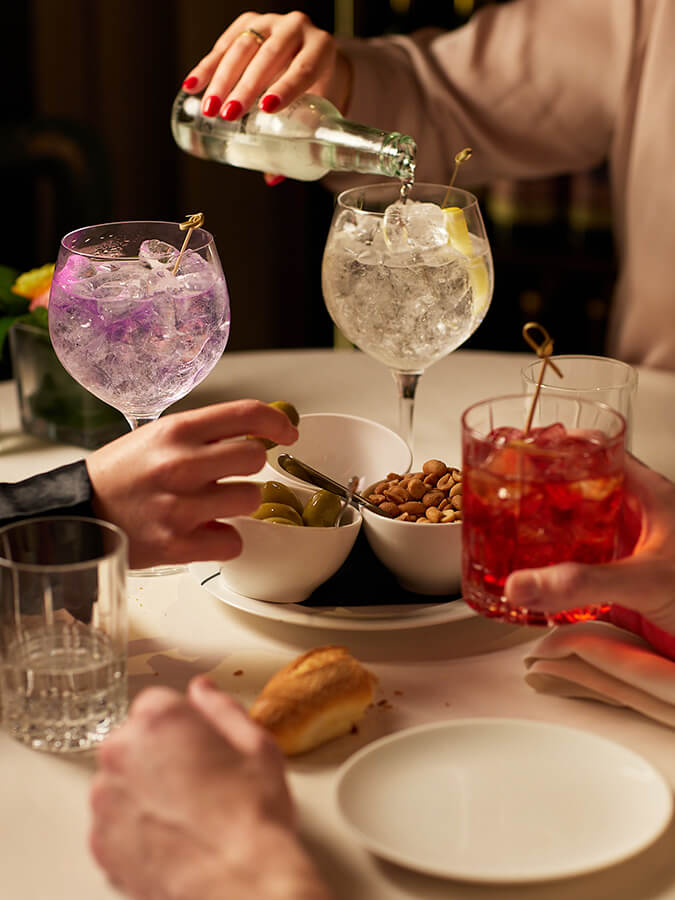

The collaboration with Paper Moon continued with an assignment that combined art direction, social media management, and content creation for the official profile @papermoon.giardino.milano. The goal was to strengthen the restaurant’s digital presence and build a visual narrative aligned with the brand’s identity and values.
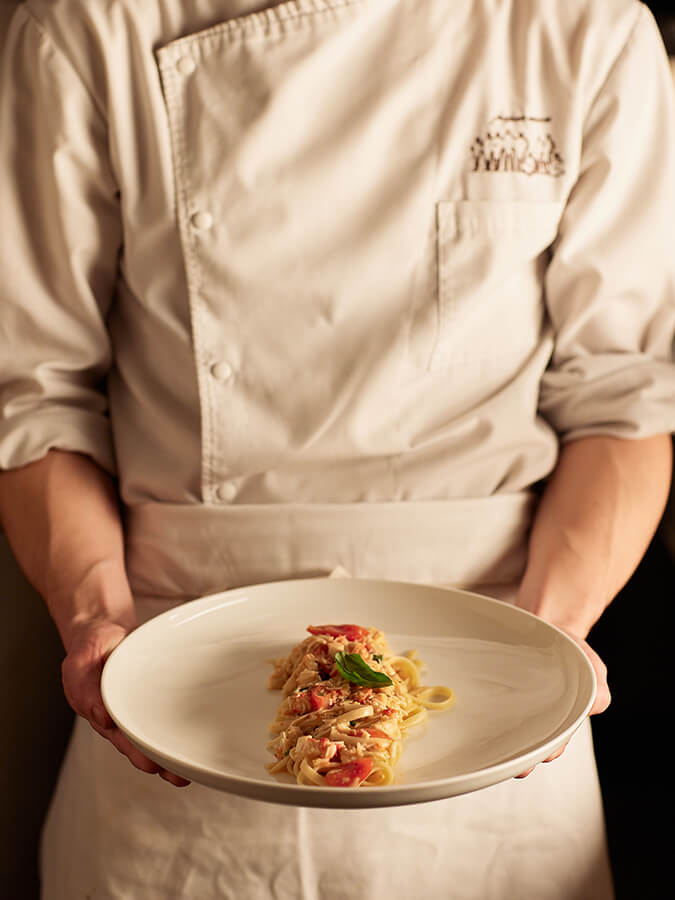
The project began with the organization of targeted photo shoots designed to capture and enhance every aspect of the Paper Moon experience: from the selection of raw ingredients to the work of the kitchen brigade, all the way to service and the customer journey in the dining room. The art direction defined a precise visual language that conveys both elegance and authenticity, balancing refinement with warmth.
In parallel, a monthly editorial plan was developed, covering the scheduling and publication of feed content, stories, and special materials dedicated to events and seasonality. Tailored communication strategies were implemented to increase engagement, boost visibility, and strengthen the digital community, while remaining true to Paper Moon’s distinctive identity.
Outcome. A curated and coherent social presence that translates into digital the same attention to detail that defines the in-house experience. The Instagram profile becomes a strategic tool: a channel to reinforce brand awareness, engage with the audience, and consolidate the restaurant’s positioning.

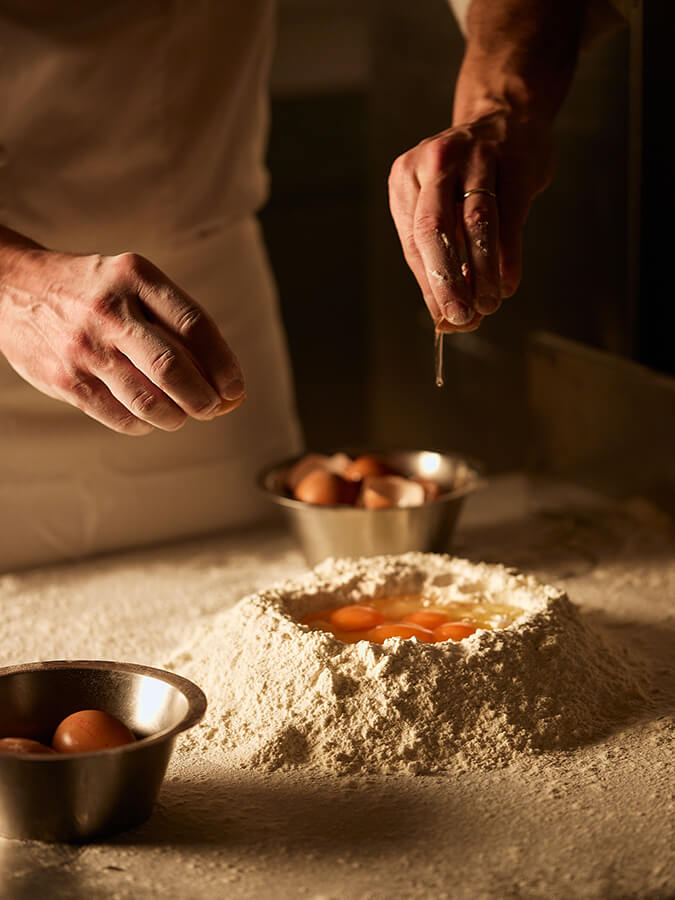
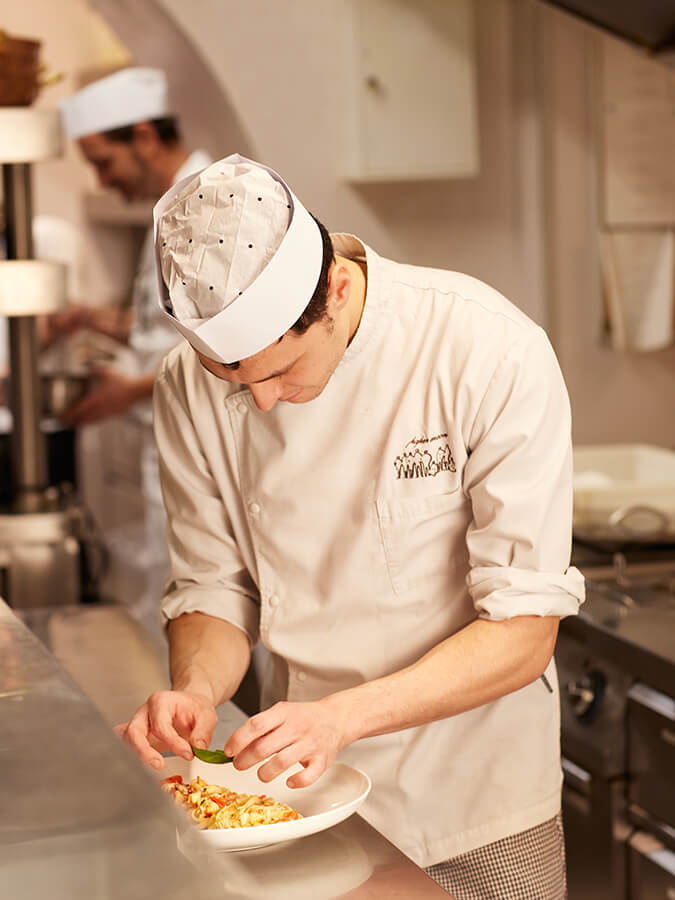
The collaboration with Paper Moon stemmed from the need to unify the digital communication of all the group’s restaurants worldwide. The assignment focused on the creation of shared brand social guidelines, designed to ensure visual and strategic consistency across the various Instagram profiles and to provide clear directives for future partners.
The project began with in-depth research and analysis of the existing profiles, aimed at identifying visual inconsistencies, communication misalignments, and operational needs. From this groundwork, we developed a unified visual system, structuring key graphic and communication elements: colour palettes, typography, layouts, feed and stories formats, tone of voice, and publishing best practices. Art direction then translated the findings of the analysis into a coherent strategy, delivering practical tools and a digital identity aligned with the brand’s values and positioning.
For reasons of confidentiality, we cannot share the developments or the final outcome of the brand guidelines. The images accompanying this description come from photo shoots carried out under our art direction.
Outcome. A clear and structured set of guidelines, capable of ensuring recognition and consistency on a global scale. The social guidelines become a practical and shared tool to support Paper Moon and its partners within a coherent and effective digital ecosystem.